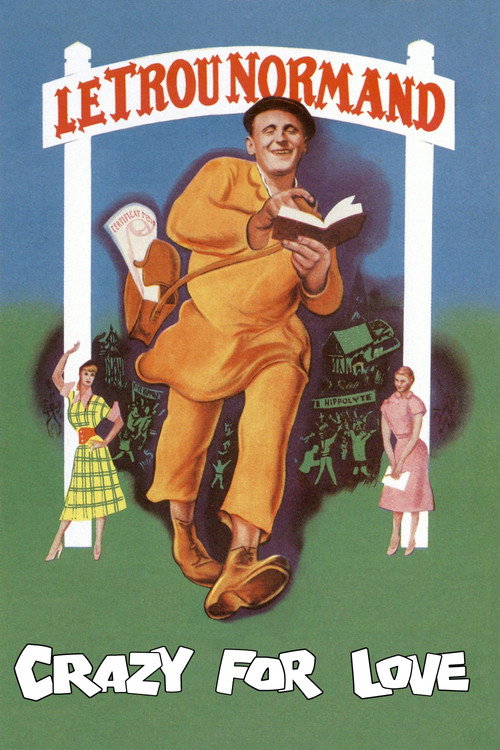
Crazy for Love
1952
No user ratings available yet
Diversity score: 1.4 out of 10
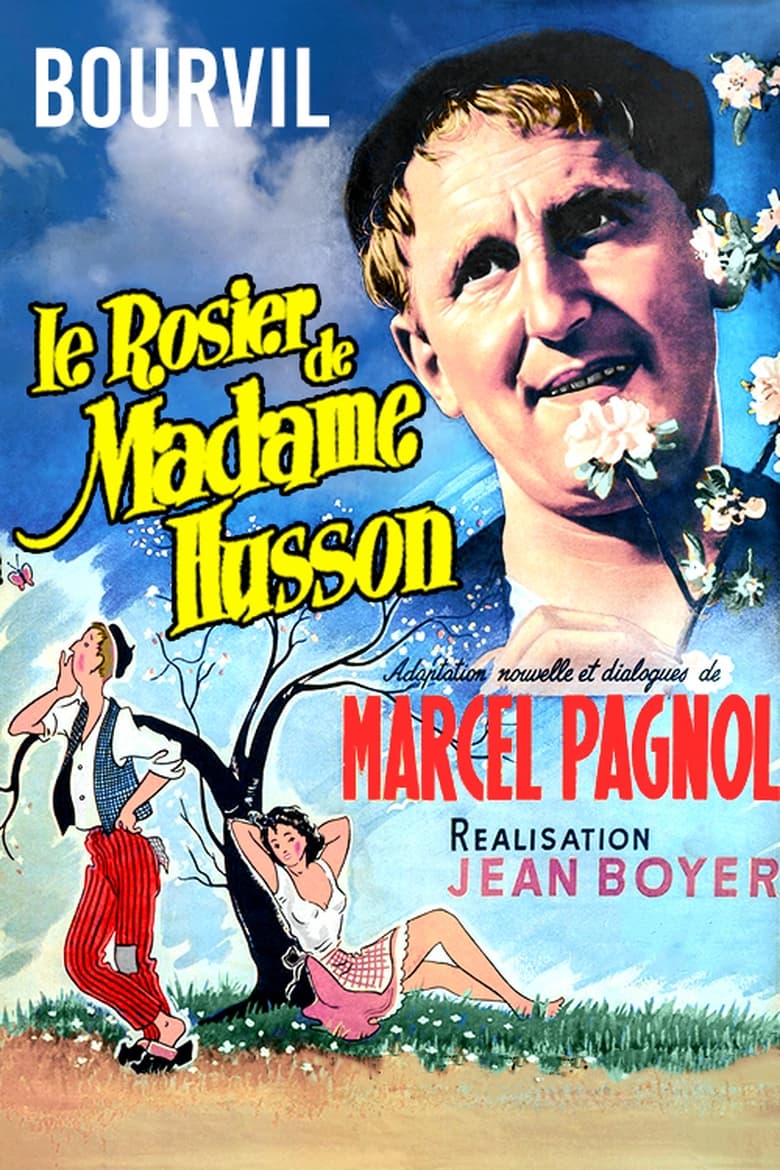
1950
Director
Jean Boyer
Runtime
84 minutes
Average Rating
No ratings yetSynopsis
Madame Husson and her circle of holier-than-thou ladies (including an old maid Madame Cadenas)are looking for a chaste and pure girl who will win a hefty sum.
Overall Score
Limited
Category Breakdown
LGBTQ+ Representation
The film operates within a strictly heteronormative framework. There is no evidence of non-cisnormative gender identities or same-sex intimacy, as the plot focuses on themes of chastity and purity.
Gender Representation
While women drive the social maneuvering, the narrative reinforces traditional feminine ideals. Characters like the 'old maid' Madame Cadenas appear to function as comedic tropes used to marginalize women outside marital structures.
Racial & Ethnic Diversity
The cast consists of a homogeneous ensemble typical of 1950s French regional comedy. There is no evidence of racial blending or the inclusion of non-white identities.
Religious & Cultural Diversity
The story aligns with traditional moral values and social respectability. The plot utilizes social competition to reinforce existing community hierarchies and established communal norms.
Disability Representation
There are no identifiable depictions of physical or neurodivergent disabilities. No characters appear to be utilized as plot devices related to disability.
Strengths
Areas for Improvement
AI Analysis
The film is a product of its era, functioning as a traditional comedy that prioritizes the reinforcement of conventional social and moral virtues. It lacks intersectional identities, focusing instead on a culturally uniform community. While women are central to the plot, their agency is limited to upholding traditional standards of virtue. The narrative structure adheres to mid-20th-century social frameworks rather than subverting them. Ultimately, the film reflects the homogeneous and heteronormative standards of 1950s French cinema, offering little representation beyond established social hierarchies.
1952

1959

1957
1956
1968

2020
1954

1936
1951
1950
1950
1969
No reviews yet. Be the first to share your thoughts on this movie!
Use the rating form above to leave a star rating and optional review.