Unfinished Story
1955
No user ratings available yet
Representation score: 4.7 out of 10
Representation Score
Fair
1966
Director
Andrei Konchalovsky
Runtime
93 minutes
Average Rating
No ratings yetNew Showbiz Analysis
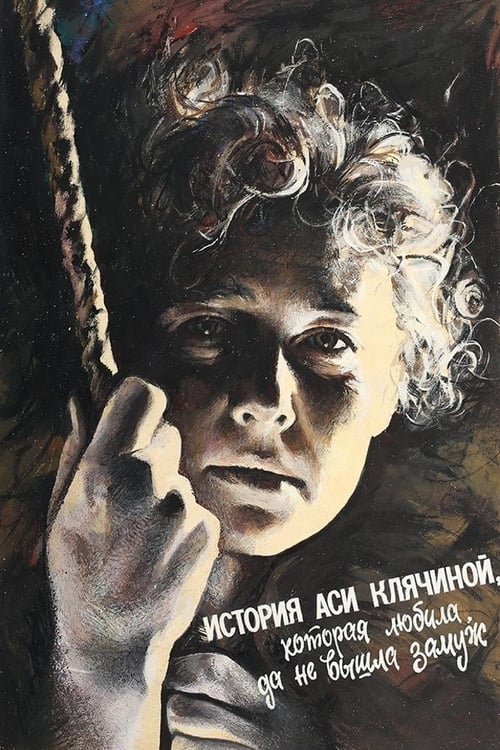
Konchalovsky’s drama succeeds by centering a woman’s struggle for autonomy against rigid social pressures. By focusing on Asya’s difficult choice between a loveless marriage and single motherhood, the film challenges traditional expectations of female submissiveness and domesticity. The work provides a sophisticated look at the transition from religious agrarian morality to a secular collectivist order. It treats characters who deviate from village norms with nuance rather than judgment, highlighting the friction between individual desire and communal structures. While the film lacks modern breadth regarding LGBTQ+ identities and racial diversity, it offers a deep psychological exploration of underrepresented individuals. It prioritizes lived experience over the reinforcement of traditional institutional stability.
Category Breakdown
The film focuses on heterosexual relationships and the biological realities of pregnancy. There are no LGBTQ+ narratives or non-cisgender identities present.
Asya is a character with high ability to act who negotiates autonomy against patriarchal village hierarchies. The film passes the Bechdel test and disrupts expectations of female submissiveness.
The cast is ethnically homogeneous, reflecting the specific historical and geographical context of Soviet rural life.
The narrative depicts the waning influence of religious structures in favor of a secular, collectivist social order. It explores moral relativism within a shifting societal landscape.
The protagonist is a disabled collective farmer whose condition is integrated into her identity. The film avoids sentimentality or using her physical reality as a mere plot device.
Present on Screen
Limited or Absent
Official Synopsis
Asya, a lame collective farmer, is in love with the father of her unborn child. However, he does not reciprocate, forcing her to choose between a loveless marriage to another suitor, or single motherhood.
1955
1965
1965
1964
1977
1971
1956

1984
No reviews yet. Be the first to share your thoughts on this movie!
Use the rating form above to leave a star rating and optional review.