
Kaagaz Ke Phool
1959
No user ratings available yet
Representation score: 4.8 out of 10
Representation Score
Good
1957
Not RatedDirector
Guru Dutt
Runtime
146 minutes
Average Rating
No ratings yetNew Showbiz Analysis
Guru Dutt’s masterpiece functions as a sophisticated deconstruction of social norms. It rejects the celebratory post-independence narratives of its era to highlight the moral bankruptcy of the elite and the systemic failures of capitalism. The film's strength lies in its challenge of traditional hierarchies. By centering the ability to act of underrepresented women and the humanity of outsiders, it highlights the rigid structures of the 1950s establishment. While it lacks modern representations of LGBTQ+ identities or physical disabilities, its profound critique of institutional corruption and social status provides a deeply progressive perspective on humanistic values.
Category Breakdown
The film adheres to the social norms of 1950s India, where there are no explicit depictions of non-straight relationships or gender identities that don't match the sex assigned at birth.
Female characters like Meena and Gulabo play significant roles in driving the story with their moral and emotional strength. They serve as catalysts for the protagonist rather than being passive figures.
The film reflects India's diverse socioeconomic landscape by focusing on the dignity of the less privileged. It explores identity within the context of historical colonization.
The film criticizes the corrupt capitalist structures and the commodification of art. It portrays social outcasts as the true keepers of humanistic values against a corrupt establishment.
No prominent characters with physical or neurodivergent disabilities are featured. The protagonist's struggle is framed as a thematic alienation from a predatory economic system.
Present on Screen
Limited or Absent
Official Synopsis
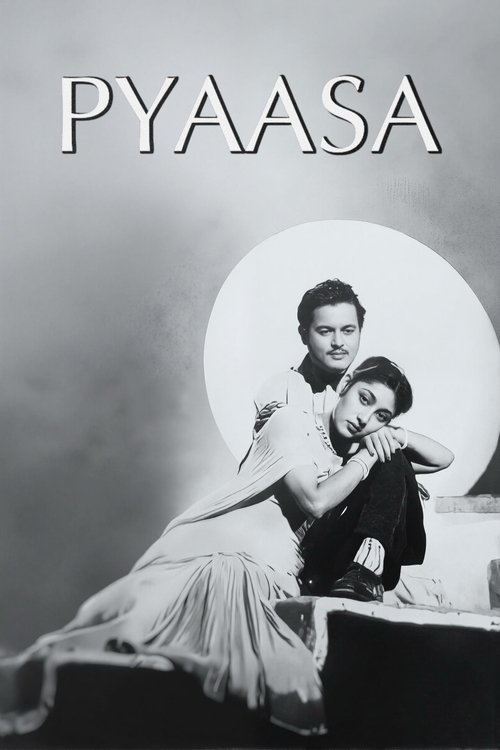
Vijay, a destitute poet, searches for true love while attempting to get his work published. With the assistance of two women in his life, his dream comes true - but at a cost that causes Vijay to rethink his worldview.
1959
1964

1954
1972

1975

1951
1972
1948
No reviews yet. Be the first to share your thoughts on this movie!
Use the rating form above to leave a star rating and optional review.