Smash-Up: The Story of a Woman
1947
No user ratings available yet
Representation score: 5.6 out of 10
Representation Score
Limited
1955
NRDirector
Daniel Mann
Runtime
117 minutes
Average Rating
No ratings yetNew Showbiz Analysis
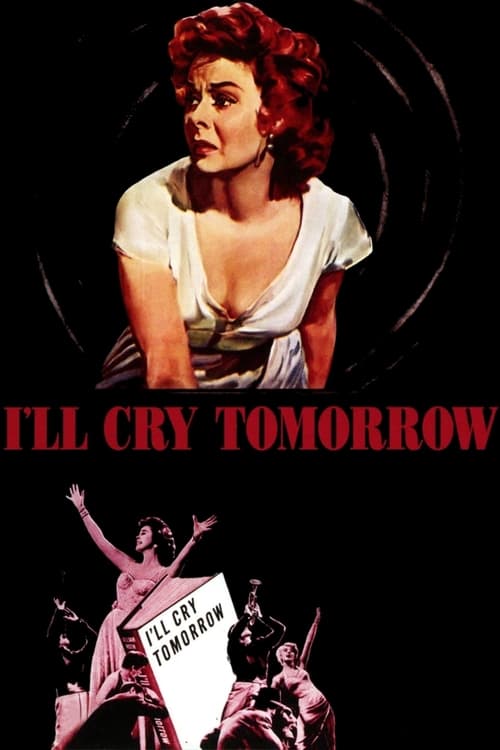
I'll Cry Tomorrow serves as a psychological exploration of fame and personal disintegration. It redefines the traditional 'star is born' storyline by framing professional success as a catalyst for systemic breakdown. The film provides a nuanced look at how the entertainment industry commodifies identity. However, the film is constrained by the production standards of its era. It lacks racial and ethnic diversity, focusing almost entirely on a homogeneous, high-society white cast. Additionally, there is no representation of LGBTQ+ identities or narratives that challenge the assumption that everyone is straight or cisgender.
Category Breakdown
The film follows the social norms of its time and does not include any non-straight or non-cisgender identities or stories that challenge the assumption that everyone is straight or cisgender.
The story centers around a woman working in a male-dominated environment. She has a strong professional role but her journey is significantly shaped by the loss of a male partner.
Following the production standards of its time, the film features a mostly white cast from high society with little engagement with racial diversity.
The film critiques the power structures of media empires and Hollywood's capitalist machinery. However, it does not have an explicit anti-institutional or openly secular perspective.
The film explores the complexities of addiction as a mental health issue. It avoids using addiction as 'inspiration porn' but instead uses it primarily as a tragic element in the story.
Present on Screen
Limited or Absent
Official Synopsis
Deprived of a normal childhood by her ambitious mother, Lillian Roth becomes a star of Broadway and Hollywood before she is twenty. Shortly before her marriage to her childhood sweetheart, David Tredman, he dies and Lillian takes her first drink of many down the road of becoming an alcoholic.
1947
1945
1947
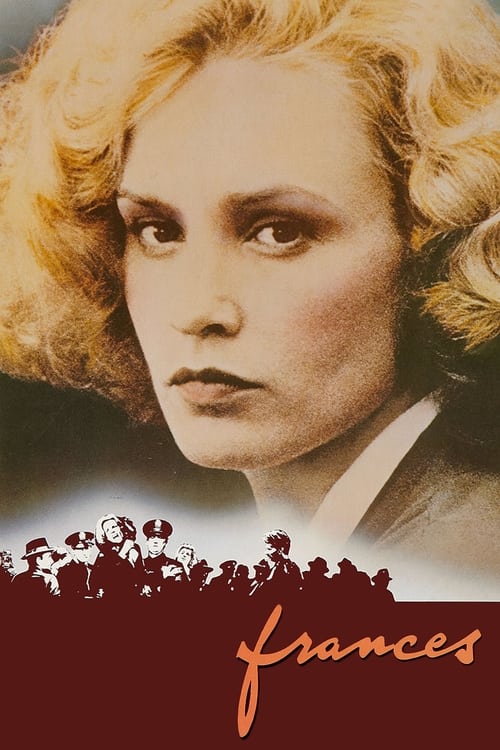
1982
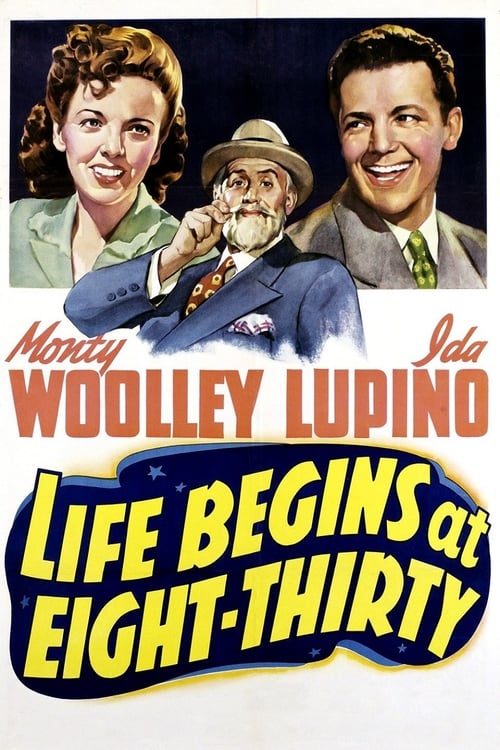
1942
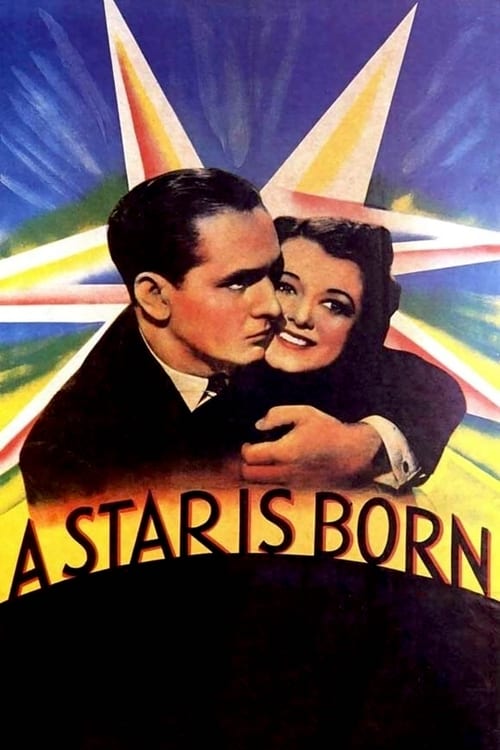
1937
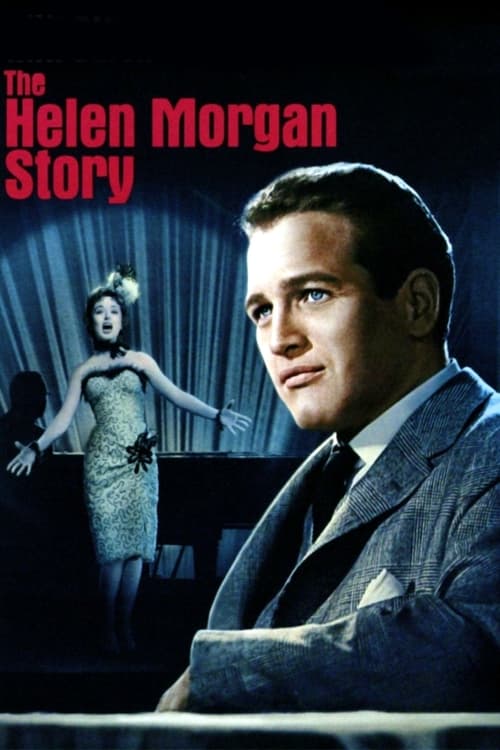
1957
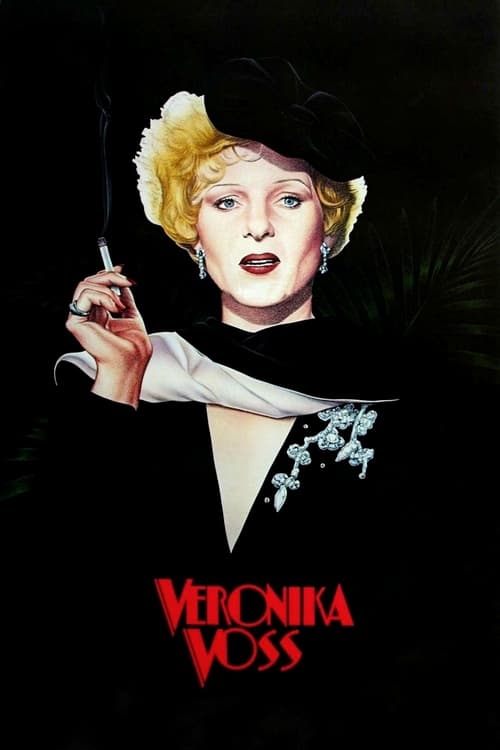
1982
No reviews yet. Be the first to share your thoughts on this movie!
Use the rating form above to leave a star rating and optional review.