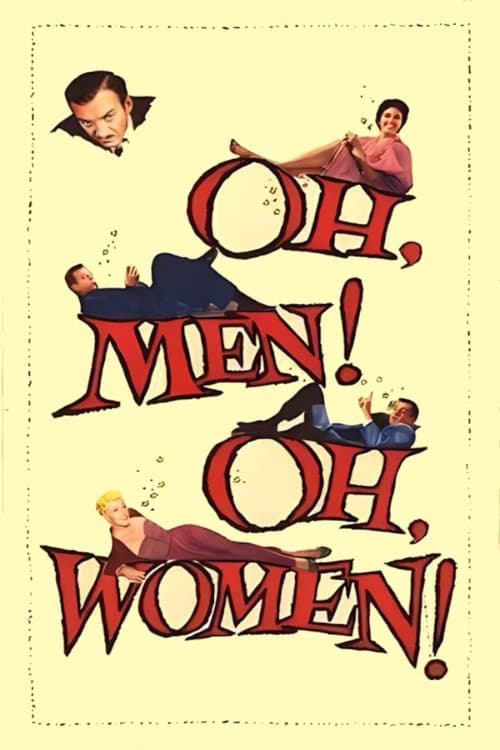
Oh, Men! Oh, Women!
1957
No user ratings available yet
Representation score: 1.6 out of 10
Representation Score
Minimal
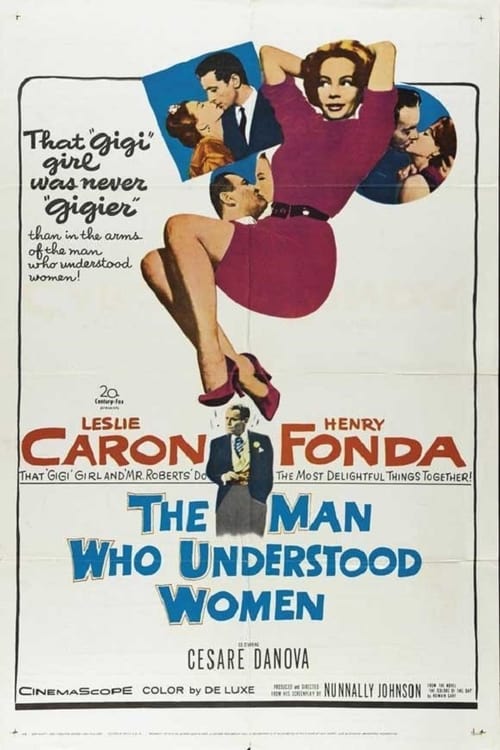
1959
NRDirector
Nunnally Johnson
Runtime
105 minutes
Average Rating
No ratings yetNew Showbiz Analysis
The Man Who Understood Women is a typical mid-century domestic comedy centered on the professional and interpersonal tensions between a director and his actress spouse. This cliché examines the intersection of fame and marriage through a traditional lens. The film aligns with the cinematic values of the late 1950s, emphasizing established genre structures over the disruption of social hierarchies. It serves as a standard exploration of mid-century interpersonal dynamics. Overall, the work lacks complexity in reflecting multiple aspects of identity. It reinforces the era's social norms rather than disrupting them, making the narrative feel deeply rooted in its specific historical context.
Category Breakdown
The film does not include any characters with non-straight or non-cisgender identities. The central conflict revolves around a traditional marriage.
While the female lead has professional success as a star, the narrative suggests a patriarchal hierarchy. The husband plays a key role in shaping his wife's career.
The production likely follows the homogeneous casting practices of 1959. The narrative seems to reflect the traditional Western-centric norms of the time.
The story focuses on conventional social structures and marital issues. It upholds mid-century ideals about family and professional status without challenging them.
There is no information available regarding the inclusion of characters with physical or neurodivergent disabilities.
Present on Screen
Limited or Absent
Official Synopsis
A film director turns his actress wife into a star, leading to marital problems.
1957
1939
1958
1949
1948
1961
1956
1972
No reviews yet. Be the first to share your thoughts on this movie!
Use the rating form above to leave a star rating and optional review.