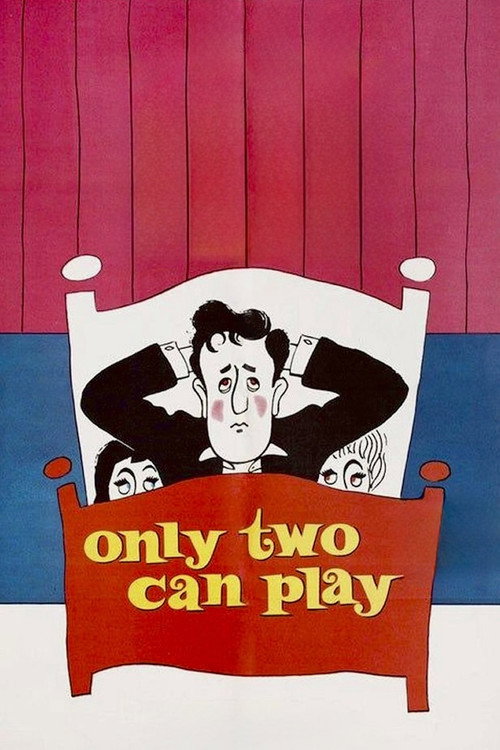
Only Two Can Play
1962
No user ratings available yet
Representation score: 0.9 out of 10

Representation Score
Minimal
1962
Director
James Hill
Runtime
64 minutes
Average Rating
No ratings yetNew Showbiz Analysis
Lunch Hour is a period piece that examines the social mores of 1962 London. It relies heavily on the established hierarchies of its time to drive its comedic engine, offering little in the way of social critique. While the film features a female protagonist in a professional design role, this is quickly overshadowed by traditional romantic clichés. The narrative remains tied to the patriarchal power dynamics of the early 1960s. Overall, the work lacks depth in representing diverse identities. It presents a homogeneous, Western-centric world that avoids disrupting conventional expectations regarding race, gender, or disability.
Category Breakdown
The film does not include any LGBTQ+ narratives or non-straight identities. The romantic plot revolves around a heterosexual relationship.
A female designer offers a baseline of professional presence. However, the narrative reinforces traditional hierarchies by centering her role around a male executive.
The cast is predominantly white, reflecting the era's lack of multiculturalism. It presents a largely Anglo-Saxon social environment without ethnic diversity.
The story operates within a conventional Western framework emphasizing middle-class decorum. It focuses on social etiquette and class aspirations without challenging established institutions.
There are no visible or invisible disabilities portrayed. No characters have arcs defined by physical impairment or neurodivergence.
Present on Screen
Limited or Absent
Official Synopsis
A young female designer is on the brink of an affair with a married male executive at the company where she works. The film tells the story of their illicit lunch hour rendezvous.
1962
1976
1974

1989

1968

1959

1965

1955
No reviews yet. Be the first to share your thoughts on this movie!
Use the rating form above to leave a star rating and optional review.