
School for Sex
1969
No user ratings available yet
Diversity score: 2.8 out of 10

1968
Director
Pete Walker
Runtime
59 minutes
Average Rating
No ratings yetSynopsis
Freddie Horne loves his job working for a trendy women’s fashion magazine, but his pretty blonde fiancée is getting jealous. To smooth things over Freddie takes a job with the Puritan Magazine Group, an organisation hell-bent on promoting moral reform and ‘family values’. However, the caddish chief executive Miles Fanthorpe is not all he seems. Fanthorpe’s country house is actually full of scantily-clad young women, and he is secretly publishing a girlie magazine!
Overall Score
Limited
Category Breakdown
LGBTQ+ Representation
The film focuses on heterosexual romantic tensions between the protagonist and his fiancée. There is no evidence of LGBTQ+ characters or non-cisnormative identities present.
Gender Representation
The plot critiques patriarchal moralism by exposing a male executive's hypocrisy. However, women are often depicted as objects of desire within the girlie magazine subplot.
Racial & Ethnic Diversity
The narrative appears to follow the homogeneous social structures typical of 1960s British comedies. There is no indication of significant non-white representation in the character arcs.
Religious & Cultural Diversity
The film uses satire to disrupt the sanctity of traditional moralist institutions. It frames 'Puritan' values as a facade for hypocrisy rather than a systemic critique.
Disability Representation
The film contains no information regarding characters with physical, sensory, or neurodivergent disabilities.
Strengths
Areas for Improvement
AI Analysis
For Men Only (1968) functions as a period-specific satire that targets the hypocrisy of traditional moral institutions. While it successfully subverts the authority of male-led 'Puritan' organizations, it does so through a lens of situational irony rather than deep social deconstruction. The film remains largely tethered to the heteronormative and homogeneous social structures of its era. The narrative relies on traditional tropes, particularly regarding the depiction of women as objects within the magazine-themed subplots. Ultimately, the work lacks intersectional depth. It provides a comedic critique of patriarchal hypocrisy but fails to offer meaningful representation for LGBTQ+, racial, or disabled communities.
1969
1957

1981
1981
1976
1971
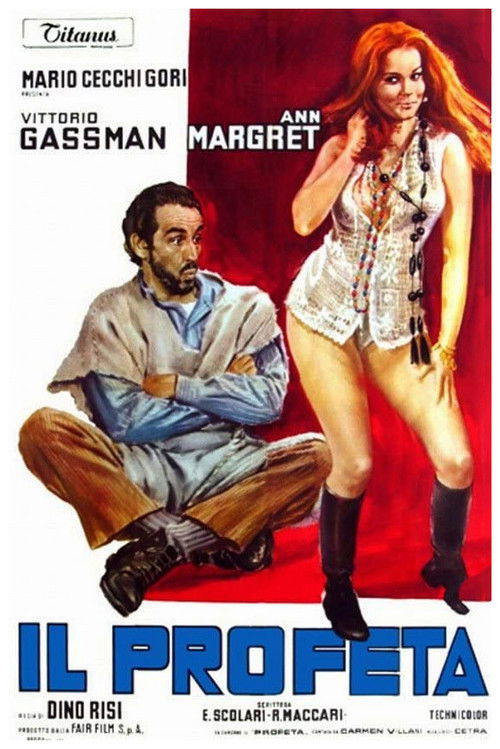
1968
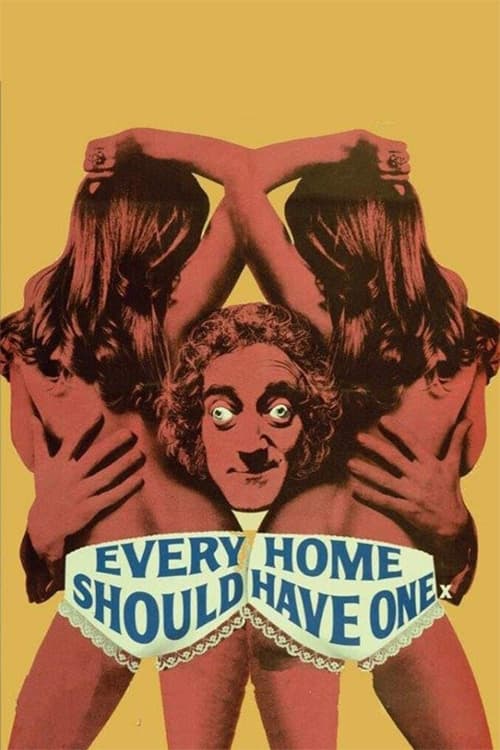
1970
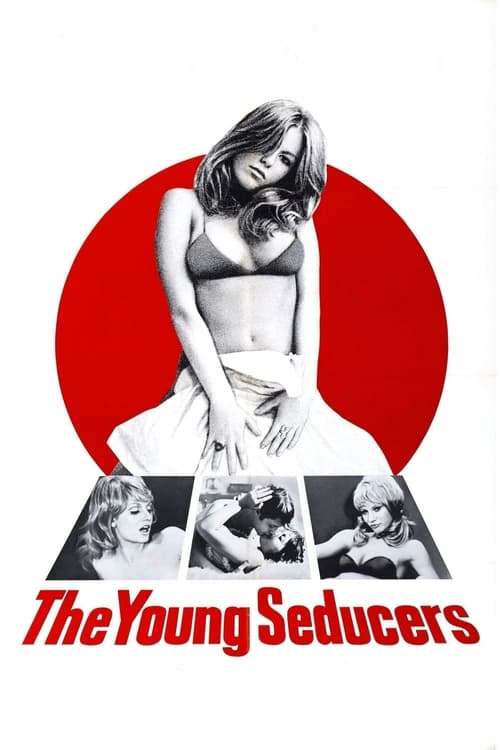
1971
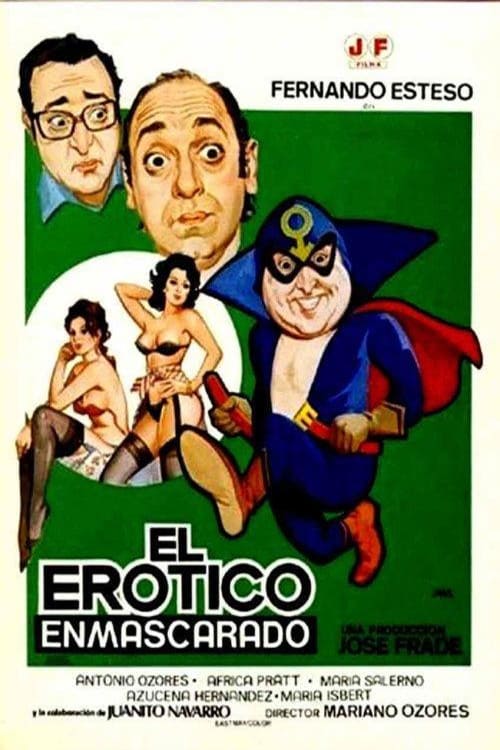
1980

1972
1962
No reviews yet. Be the first to share your thoughts on this movie!
Use the rating form above to leave a star rating and optional review.