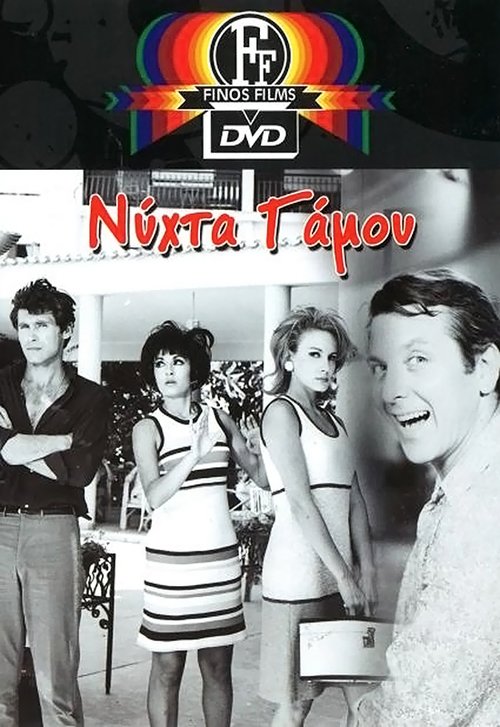
Wedding night
1967
No user ratings available yet
Representation score: 1.4 out of 10

Representation Score
Minimal
1962
Director
Orestis Laskos
Runtime
78 minutes
Average Rating
No ratings yetNew Showbiz Analysis
This 1962 Greek comedy reflects the social norms of its time, adhering to the conventions of mid-20th century Mediterranean cinema. The narrative structure follows typical genre clichés, focusing on heterosexual romantic entanglements and traditional family structures. The film does not challenge established cultural or gender hierarchies, reinforcing the assumptions of its era. It serves as a localized comedic experience without addressing broader social critiques or multi-layered identities.
Category Breakdown
The movie focuses on heterosexual relationships and does not include any queer narratives or representations of non-straight identities.
The characters' interactions revolve around traditional gender roles and romantic complications. The story emphasizes male control over pursuing and avoiding marriage.
The film is set in Athens and Chalkida, reflecting the ethnic uniformity of Greece in 1962. There is no indication of diverse casting or ethnic diversity.
The story engages with traditional social institutions such as marriage, using marriage avoidance as a comedic device rather than a critical commentary on societal issues.
There is no information about the inclusion or depiction of characters with disabilities in this production.
Present on Screen
Limited or Absent
Official Synopsis
Erotic tangles forced Fani and Panai to leave from Athens to Chalkida, there they await new adventures with women, which will result in marriage, but Panai will escape the wedding night.
1967

1952
1967
1962
1961

1962

1961
1961
No reviews yet. Be the first to share your thoughts on this movie!
Use the rating form above to leave a star rating and optional review.