Lady Godiva Rides Again
1951
No user ratings available yet
Diversity score: 2.2 out of 10
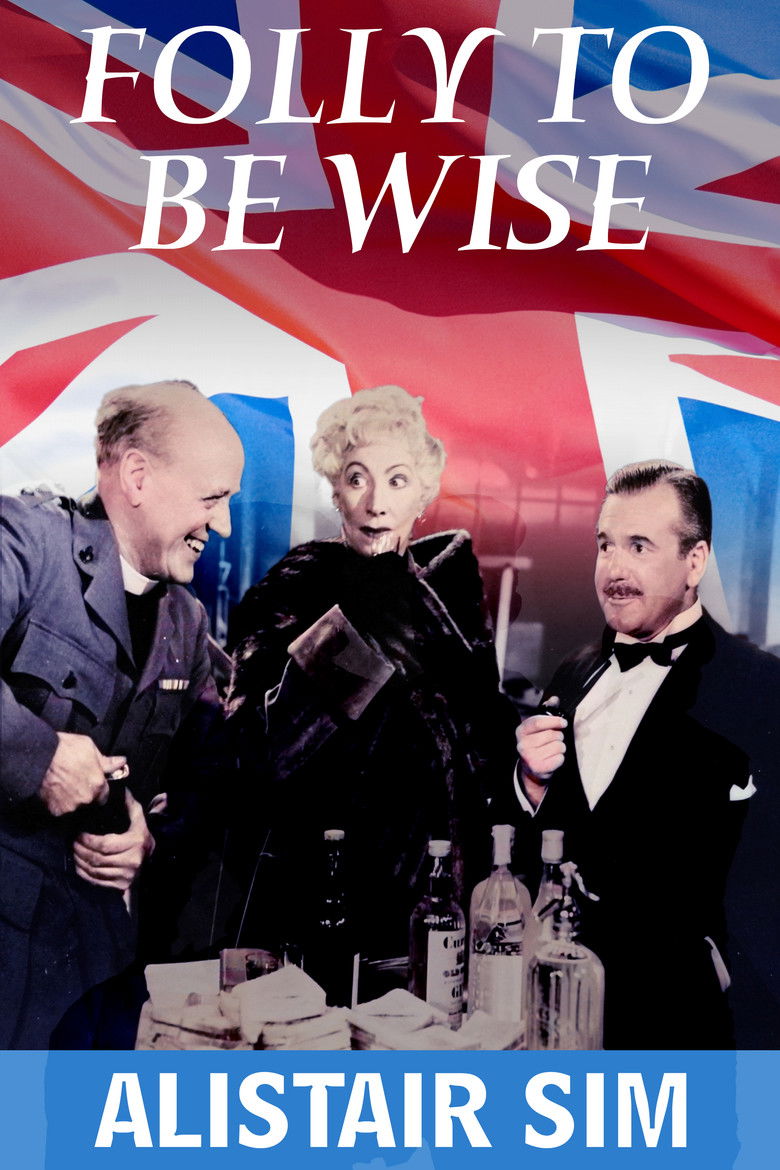
1952
Director
Frank Launder
Runtime
91 minutes
Average Rating
No ratings yetSynopsis
A newly-arrived army chaplain is put in charge of camp entertainment and has the idea of putting on a Brains Trust with local notables. Unfortunately for him, it emerges from a question on the rights and wrongs of marriage that there is more going on between three of the panelists than he wants to know about - though the audience obviously thinks differently.
Overall Score
Limited
Category Breakdown
LGBTQ+ Representation
The film utilizes subtext regarding interpersonal relationships to drive its comedic tension. However, these hints likely function as tropes of social impropriety rather than meaningful explorations of queer identity.
Gender Representation
The narrative centers on debates regarding marriage, a theme that typically reinforces traditional domestic roles. Women appear to be defined by their relationship to social decorum and marital stability.
Racial & Ethnic Diversity
The production reflects the homogeneous social structures of 1952 Britain. There is no evidence of a diverse or non-Anglo-Saxon cast within this military comedy setting.
Religious & Cultural Diversity
The story is framed by traditional Western institutions like the Church and the Military. These settings serve as the comedic foundation rather than subjects of systemic critique.
Disability Representation
There is no information available regarding the depiction of physical or neurodivergent disabilities in this film.
Strengths
Areas for Improvement
AI Analysis
Folly to Be Wise is a period-specific comedy that operates strictly within the social hierarchies of the early 1950s. The plot relies on the friction between institutional authority and private social transgressions, using scandal as a comedic engine. The film lacks representation of marginalized groups, instead centering on established British institutions. While it touches on themes of marriage and interpersonal secrets, these elements serve to reinforce mid-century social norms rather than challenge them. Ultimately, the work functions as a traditional comedy of manners. It offers little in the way of systemic subversion or diverse perspectives, remaining firmly rooted in the homogeneous landscape of post-war British cinema.
1951
1950
1957
1973
1929
1943

1954
1967
1947
1946
1933
1949
No reviews yet. Be the first to share your thoughts on this movie!
Use the rating form above to leave a star rating and optional review.