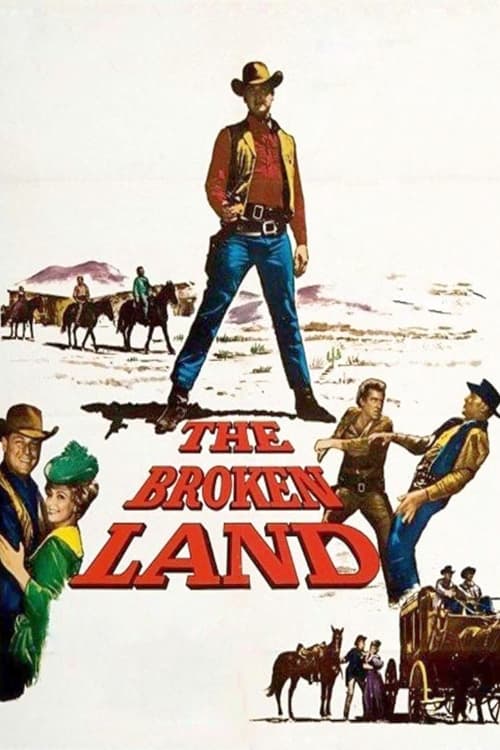
The Broken Land
1962
No user ratings available yet
Representation score: 1.6 out of 10
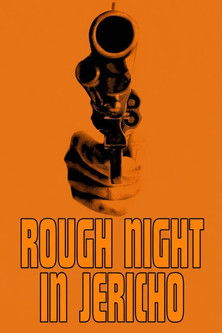
Representation Score
Minimal
1967
NRDirector
Arnold Laven
Runtime
104 minutes
Average Rating
No ratings yetNew Showbiz Analysis
Rough Night in Jericho is a traditional 1967 Western that sticks closely to the genre's established social hierarchies. The narrative centers on traditional values like frontier justice and defending property, without trying to challenge mid-century norms. While Molly Lang offers a bit of economic independence as a business owner, the film still relies on male-driven conflict and resolution. Racial and cultural portrayals reinforce colonial clichés and standard Western power structures. Overall, the film is a conventional genre piece reflecting the era's lack of diverse character's ability to drive the story or multi-layered intent.
Category Breakdown
The film does not include any LGBTQ+ characters or situations that go beyond the assumption that everyone is straight and cisgender. It follows the traditional romantic and social dynamics of the 1960s.
Molly Lang plays a significant role as a business owner, showing economic independence. However, the plot mainly revolves around male protagonists resolving conflicts, often framing female characters as needing male protection.
The cast is primarily white, following the typical Western clichés of the time. Native Americans are portrayed in negative roles, reinforcing old power dynamics without challenging them.
The story emphasizes frontier justice and the pioneering spirit, focusing on restoring order and protecting private property through traditional views of authority.
None of the characters have physical, mental, or neurodivergent disabilities. There is no depiction of characters managing impairments with real power.
Present on Screen
Limited or Absent
Official Synopsis
The only business in the Wild West town of Jericho that corrupt sheriff Alex Flood doesn't control behind the scenes is the stagecoach owned by tough-willed widow Molly Lang and her right-hand man, Hickman. Former marshal Dolan, recently hired by Lang and Hickman as a driver, wants to stay out of the mess, but when he sees Flood's henchman Yarbrough assault Lang, he steps up to fight the corruption.
1962
1959
1957
1940
1967
1967
1966

1954
No reviews yet. Be the first to share your thoughts on this movie!
Use the rating form above to leave a star rating and optional review.