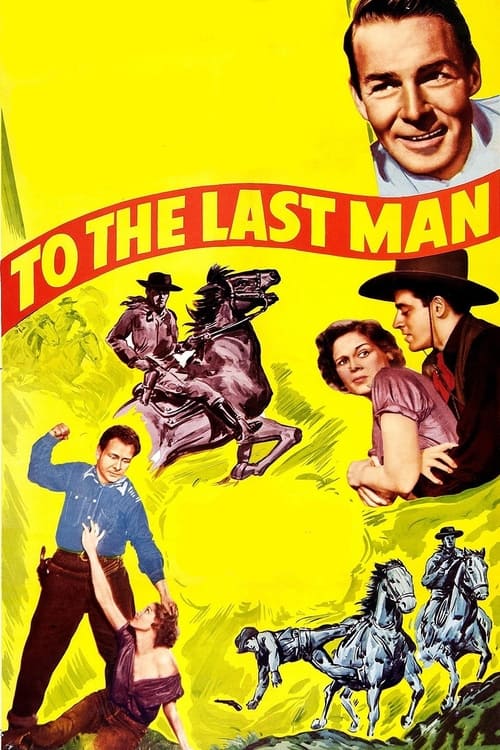
To the Last Man
1933
No user ratings available yet
Diversity score: 2.6 out of 10
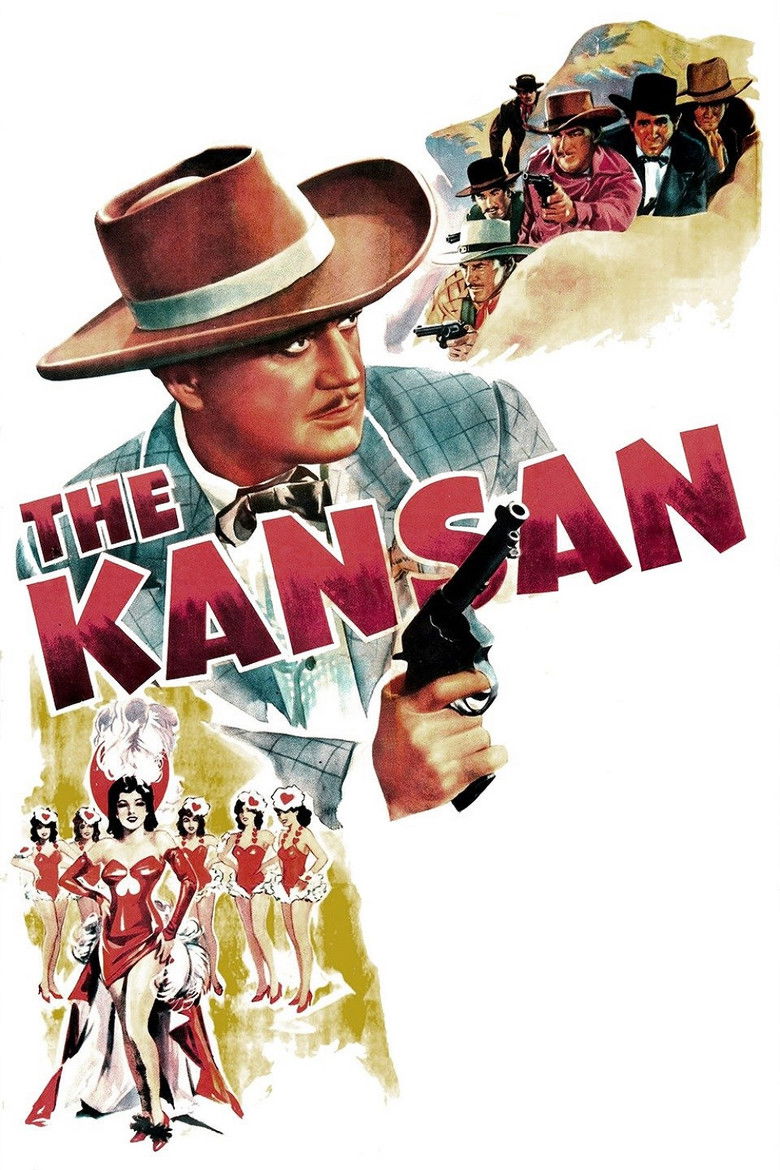
1943
NRDirector
George Archainbaud
Runtime
79 minutes
Average Rating
No ratings yetSynopsis
Wounded while stopping the James gang from robbing the local bank, a cowboy wakes up in the hospital to find that he's been elected town marshal. He soon comes into conflict with the town banker, who controls everything in town and is squeezing the townspeople for every penny he can get out of them.
Overall Score
Minimal
Category Breakdown
LGBTQ+ Representation
The film adheres to the heteronormative social structures of the 1940s. There is no evidence of non-cisnormative gender identities or same-sex intimacy within the narrative.
Gender Representation
Agency is concentrated almost exclusively in male characters who drive the plot through physical conflict. Female characters are relegated to supportive or domestic roles rather than active participants.
Racial & Ethnic Diversity
The cast is predominantly white and homogeneous, consistent with 1943 Westerns. The film does not present characters of color with significant agency or utilize color-blind casting.
Religious & Cultural Diversity
The story focuses on civilization-building and the transition to structured society. It favors the establishment of organized civil authority and traditional notions of justice and community stability.
Disability Representation
Physical vulnerability is used merely as a plot device to facilitate the hero's transition to marshal. There is no nuanced portrayal of disability as a lived identity.
Strengths
Areas for Improvement
AI Analysis
The Kansan is a quintessential product of its era, prioritizing established social hierarchies and conventional Western values. The narrative follows a singular, heroic trajectory that reinforces standard 1940s depictions of gender, race, and authority. While the plot touches on economic tension between settlers and a powerful banker, it lacks intersectional complexity. The film functions within a traditional framework that avoids critiquing systemic institutions or challenging the status quo. Ultimately, the film serves as a reinforcement of Anglo-centric views of Western expansion and traditional masculine leadership, offering little in the way of diverse perspectives or subversion.
1933
1957
1941
1938
1930
1938

1937
1936
1967
1932
1939
1946
No reviews yet. Be the first to share your thoughts on this movie!
Use the rating form above to leave a star rating and optional review.