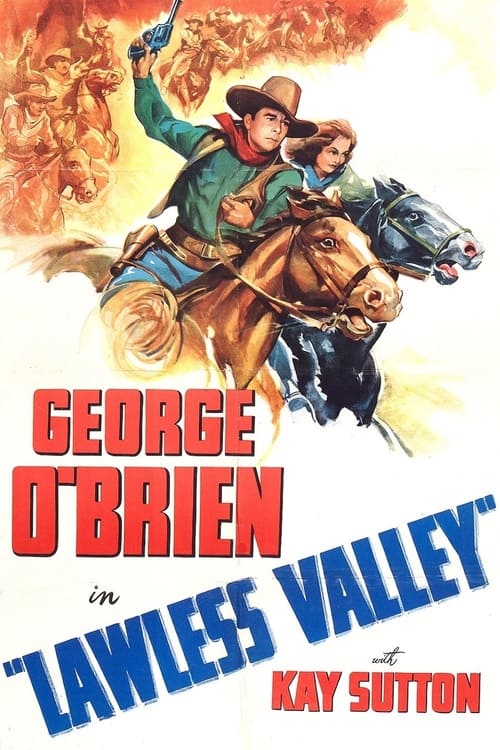
Lawless Valley
1938
No user ratings available yet
Diversity score: 2.4 out of 10
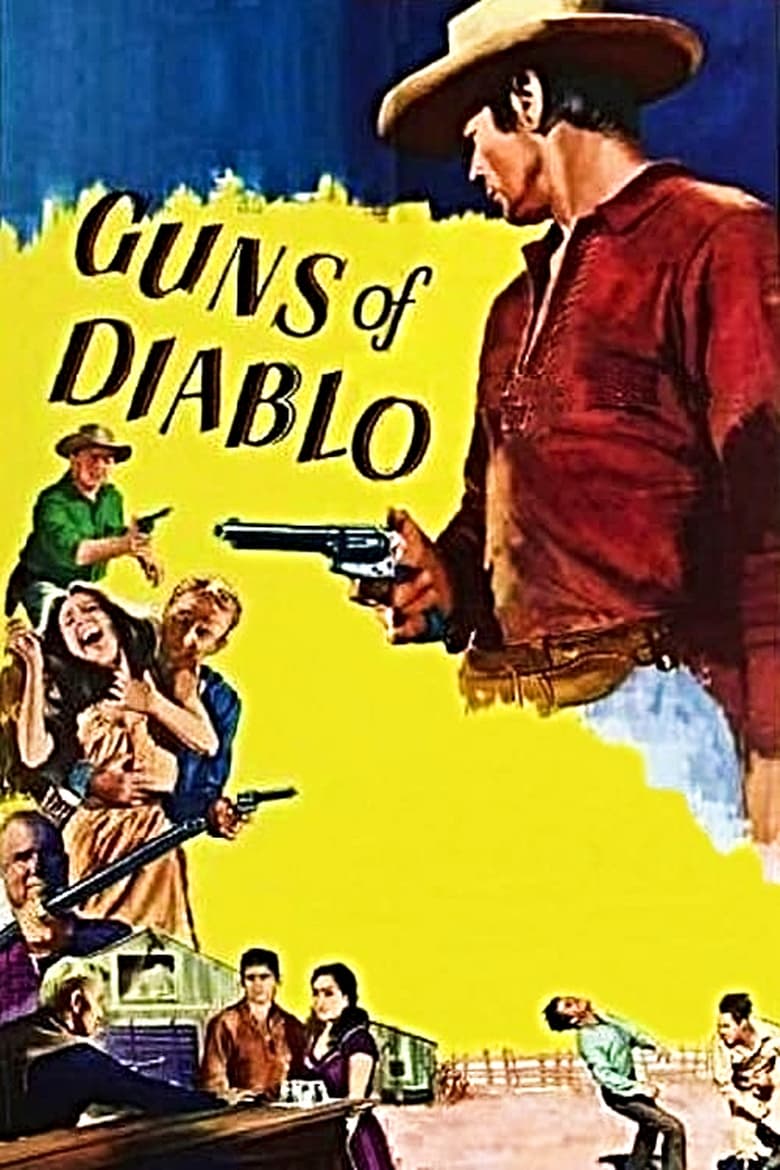
1964
Not RatedDirector
Boris Sagal
Runtime
91 minutes
Average Rating
No ratings yetSynopsis
14-year-old Kurt Russell plays Jamie, an orphaned boy heading westward with a wagon train. Charles Bronson is a wagon scout Linc Murdock, who runs into difficulties when he meets old flame Maria, who is now married to corrupt lawman Rance Macklin. The jealous Macklin has Murdock arrested, but Maria frees him, permitting Murdock and Jamie to embark on a new adventure involving a "lost" gold mine. Edited from TV series, The Travels of Jaimie McPheeters
Overall Score
Limited
Category Breakdown
LGBTQ+ Representation
The film contains no discernible LGBTQ+ characters or explorations of non-heteronormative identities. Interpersonal dynamics center strictly on traditional romantic pairings and heteronormative tensions.
Gender Representation
Maria demonstrates agency by freeing Murdock from arrest, disrupting the passive female trope. However, the plot remains male-centric, focusing on masculine pursuits of vengeance and survival.
Racial & Ethnic Diversity
The film includes Mexican characters consistent with the historical setting. However, these portrayals function within standard 1960s Western tropes, and the cast remains predominantly white.
Religious & Cultural Diversity
The narrative emphasizes individualist pursuits like gold hunting and personal retribution. It reinforces standard Western morality rather than offering a systemic critique of Western institutions.
Disability Representation
No visible or invisible disabilities are central to the character arcs. Characters are defined by roles such as scouts, outlaws, or orphans rather than physical or neurodivergent traits.
Strengths
Areas for Improvement
AI Analysis
Guns of Diablo functions as a traditional mid-century Western that prioritizes genre-standard conflict over social commentary. The narrative architecture reinforces established social and gender hierarchies common to the 1960s. While the film offers minor moments of female agency, the primary drivers of the story are masculine pursuits. The racial and cultural depictions align with the era's cinematic norms, focusing on individualist struggles against corruption rather than systemic critique. Ultimately, the film lacks intersectional complexity, serving as a standard adventure piece that maintains the conventional status quo of its time.
1938
1928
1967
1926
1956
1953
1955
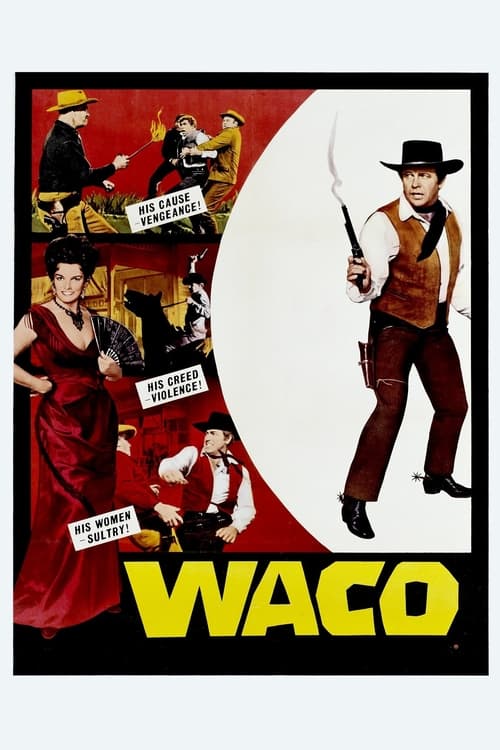
1966

1958
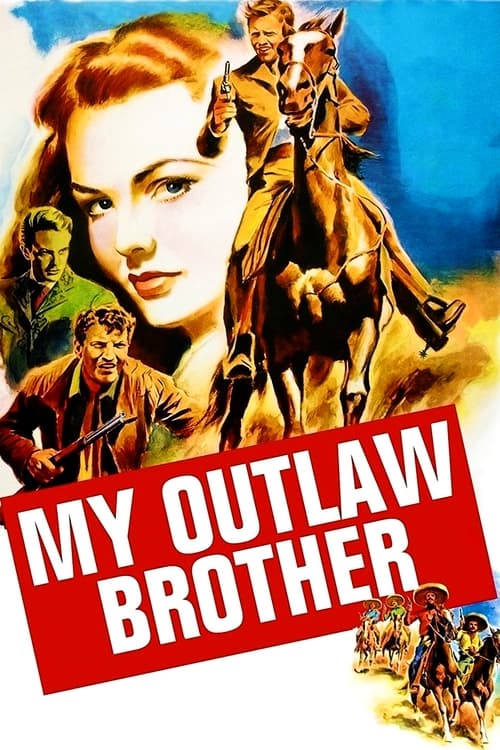
1951
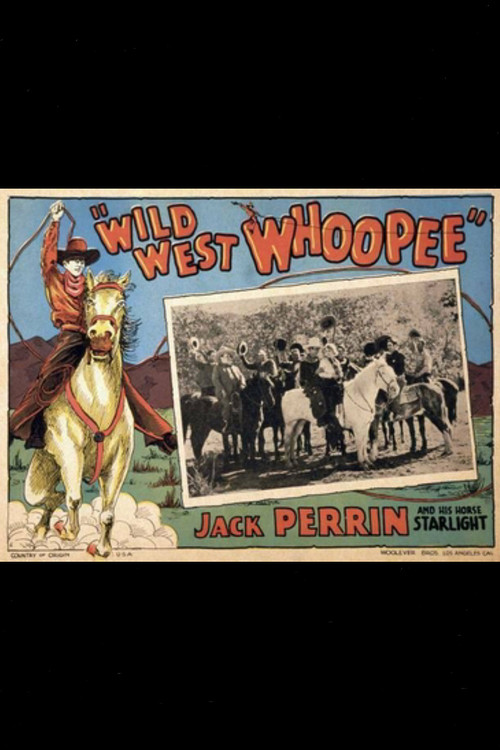
1931
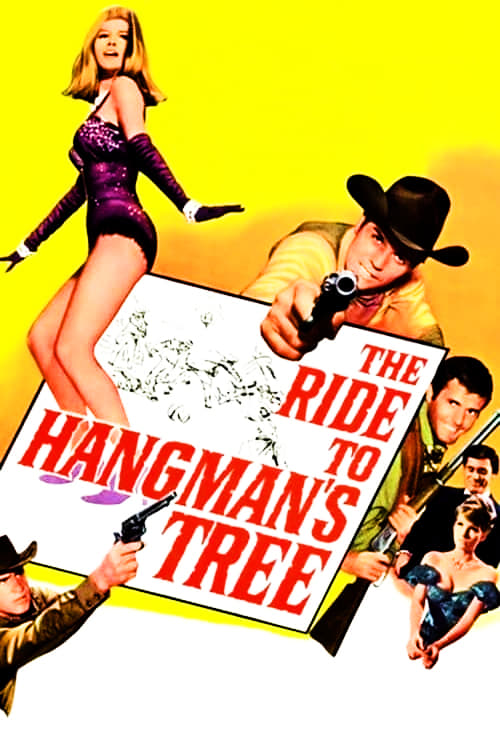
1967
No reviews yet. Be the first to share your thoughts on this movie!
Use the rating form above to leave a star rating and optional review.