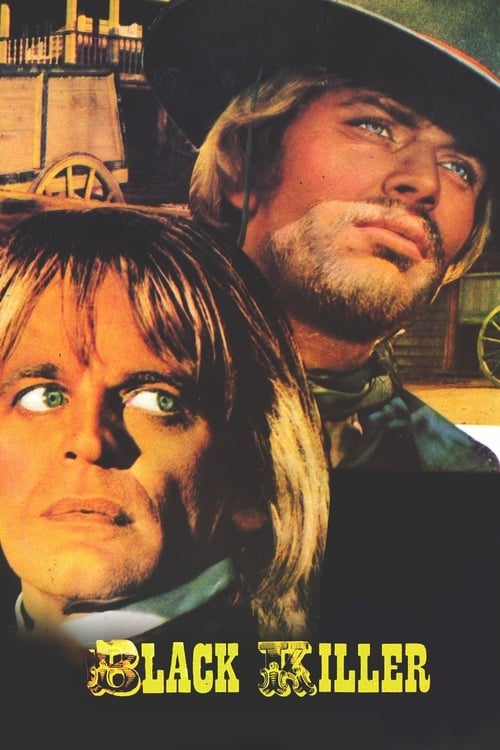
Black Killer
1971
No user ratings available yet
Representation score: 2.2 out of 10
Representation Score
Minimal
1967
NRDirector
Alan Rafkin
Runtime
90 minutes
Average Rating
No ratings yetNew Showbiz Analysis
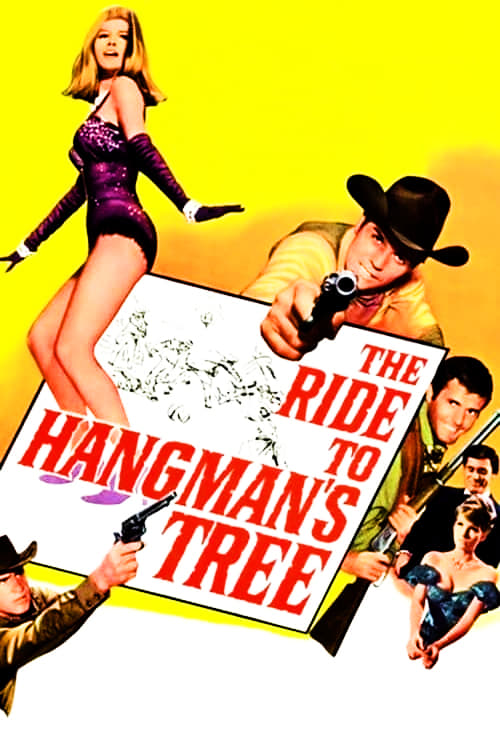
The Ride to Hangman's Tree operates as a conventional mid-century Western, adhering strictly to the genre's established clichés. The narrative centers on a small group of male outlaws navigating conflicts with legal authorities, prioritizing action and romance over social subversion. There is a notable absence of diverse casting or character-driven critiques of systemic hierarchies. The film functions within the traditional cinematic frameworks of the 1960s, offering little in the way of narrative complexity regarding identity or social structures. Ultimately, the film serves as a standard pursuit-and-evasion plot. It lacks the intentionality required to disrupt the homogeneous social landscapes typically found in Westerns of this period.
Category Breakdown
The film does not include any characters with LGBTQ+ identities. It likely upholds traditional romantic structures typical of 1967 cinema.
The story focuses on a male-dominated outlaw dynamic. There is no indication of non-traditional gender roles or the subversion of masculine archetypes.
The film likely reflects the era's tendency toward homogeneous casting. There is no evidence of characters of color playing significant roles in driving the story.
The story focuses on standard Western themes of outlaws versus the law. It lacks critiques of institutions or capitalism.
No specific details regarding the inclusion or portrayal of characters with physical or neurodivergent disabilities are available.
Present on Screen
Limited or Absent
Official Synopsis
Three young outlaws try to stay together and keep one step ahead of the law.
1971
1966
1951
1961
1966

1968
1971
1968
No reviews yet. Be the first to share your thoughts on this movie!
Use the rating form above to leave a star rating and optional review.