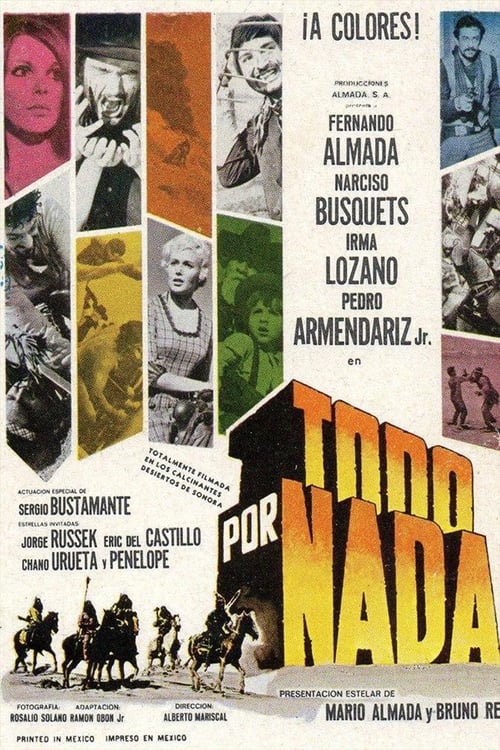
Todo Por Nada
1969
No user ratings available yet
Representation score: 2.6 out of 10
Representation Score
Minimal
1963
NRDirector
Ricardo Blasco
Runtime
97 minutes
Average Rating
No ratings yetNew Showbiz Analysis
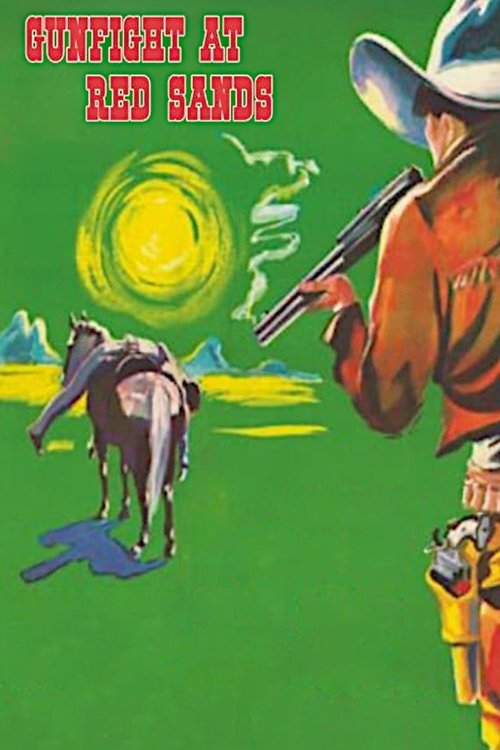
Gunfight at Red Sands is a traditional 1960s Western that emphasizes genre clichés over social critique. The narrative follows a standard avenging stranger archetype, focusing on individual justice and physical dominance. The film reinforces the social hierarchies of its era. It lacks intentionality in disrupting gender roles, racial representation, or institutional authority, favoring a traditional, binary moral structure. Ultimately, the work serves as a typical genre piece of its time, relying on masculine dominance and likely Anglo-centric perspectives.
Category Breakdown
The film follows the typical heterosexual norms of the time, with no representation of LGBTQ+ identities or critiques of traditional social norms.
The story revolves around a traditional male hero archetype, emphasizing physical strength and dominance. Leadership roles remain centered on male characters.
The narrative focuses on a singular, likely Anglo-centric protagonist. There is no indication of diverse ethnic representation or race-bent casting.
The film adheres to a classic Western framework of vengeance and justice, supporting traditional moral binaries without exploring moral relativism or systemic critiques.
There is no information available regarding the inclusion of characters with physical or neurodivergent disabilities.
Present on Screen
Limited or Absent
Official Synopsis
An avenging stranger guns down a gang of ruthless bandits in revenge for the murder of his family.
1969
1966
1966
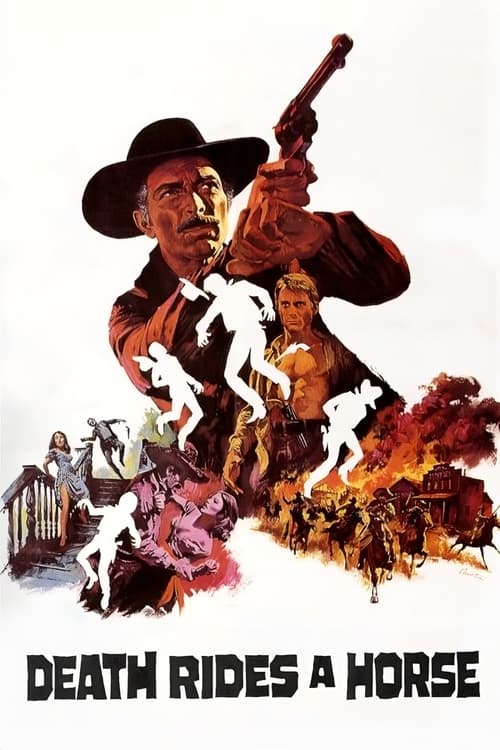
1967
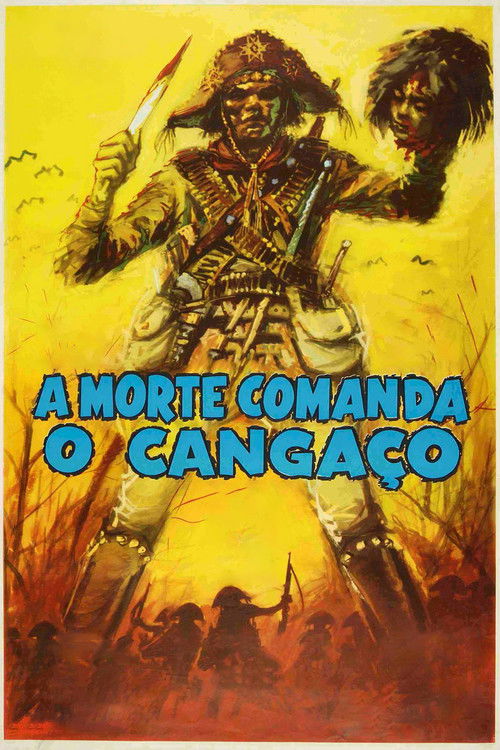
1960
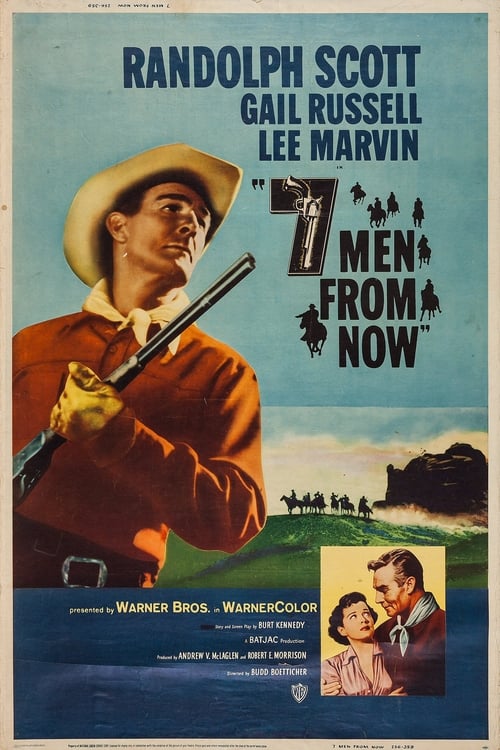
1956
1960
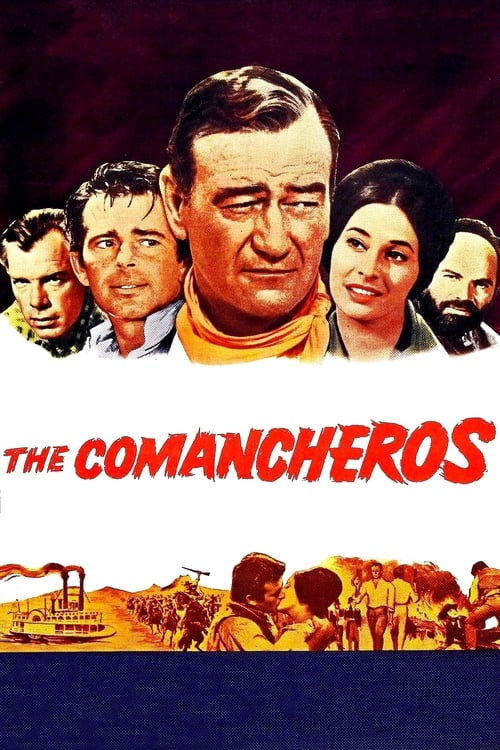
1961
No reviews yet. Be the first to share your thoughts on this movie!
Use the rating form above to leave a star rating and optional review.