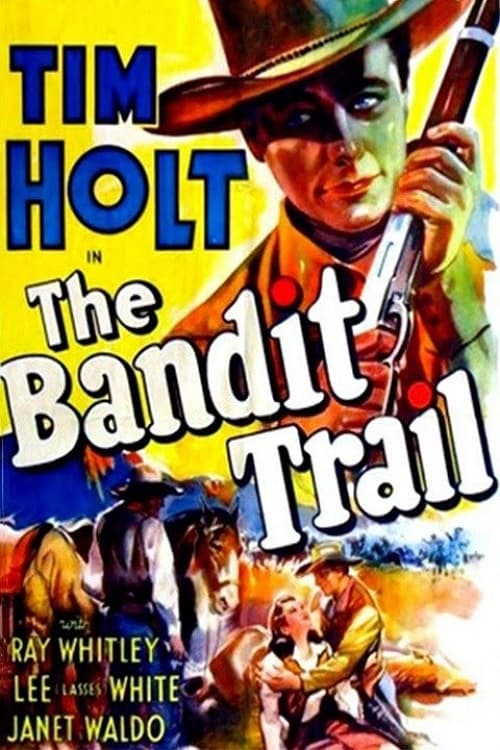
The Bandit Trail
1941
No user ratings available yet
Diversity score: 2.3 out of 10
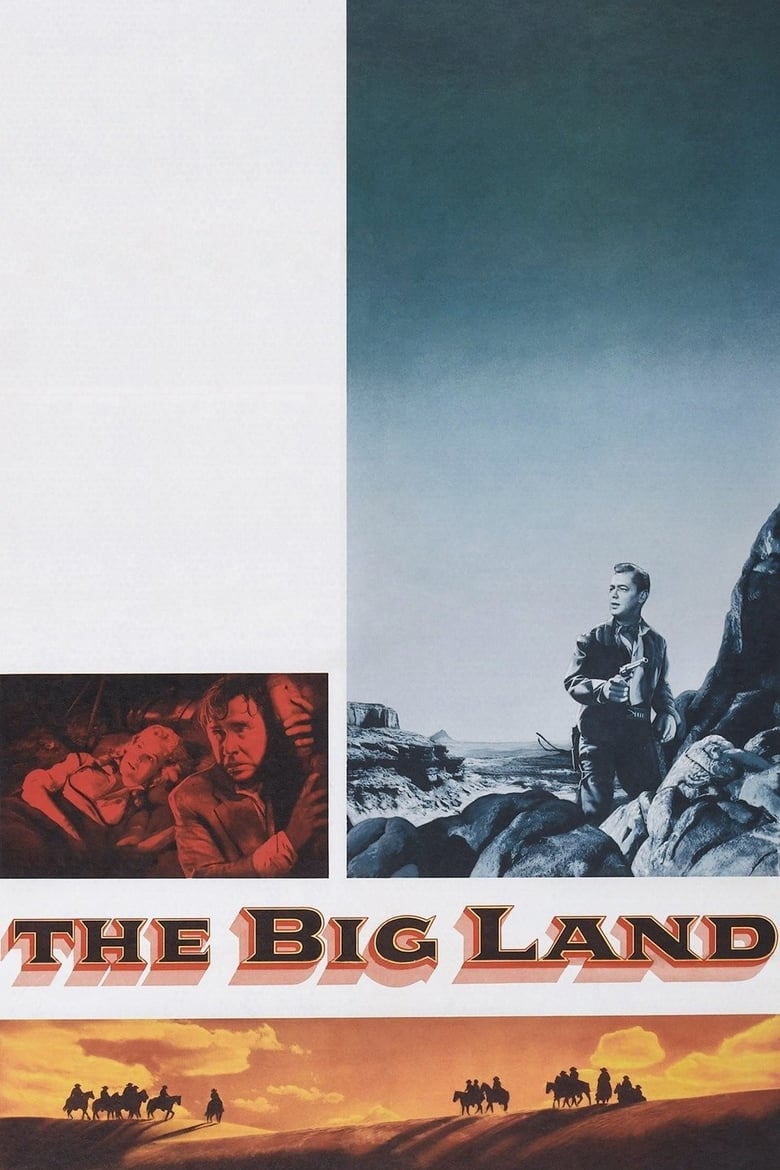
1957
NRDirector
Gordon Douglas
Runtime
92 minutes
Average Rating
No ratings yetSynopsis
Back home in Texas following the Civil War, former Confederate officer Chad Morgan (Alan Ladd) leads a cattle drive to Missouri, assuring fellow ranchers that their stock will bring $10 a head at auction. Instead, ruthless cattle baron Brog (Anthony Caruso) has scared off all competition and offers much less.
Overall Score
Limited
Category Breakdown
LGBTQ+ Representation
The film follows a traditional mid-century Western framework. There is no evidence of non-cisnormative gender identities or depictions of same-sex intimacy.
Gender Representation
The narrative focuses on a male-centric cattle drive. Primary agency and leadership roles are occupied by men, reinforcing traditional masculine archetypes common to the era.
Racial & Ethnic Diversity
Set in the post-Civil War era, the story centers on a homogeneous white protagonist group. It reflects a standard cinematic focus on Western expansion through a white lens.
Religious & Cultural Diversity
The film explores themes of land ownership and post-war reconstruction. It adheres to traditional Western values regarding property and individual grit within a frontier economy.
Disability Representation
There is no discernible evidence regarding the portrayal of physical or neurodivergent disabilities in this production.
Strengths
Areas for Improvement
AI Analysis
The Big Land is a conventional mid-century Western that operates strictly within the social and cultural frameworks of 1957. The narrative prioritizes established genre tropes, specifically masculine leadership and frontier economics, rather than offering intersectional complexity. By focusing on a male-dominated cattle drive led by former Confederate officers, the film reinforces the era's standard cinematic approach to historical storytelling. It lacks significant representation of diverse identities or systemic critique. Ultimately, the film serves as a representative example of the period's reliance on homogeneous protagonist groups and traditional gender roles.
1941

1954
1938
1967
1948
1953
1950
1940
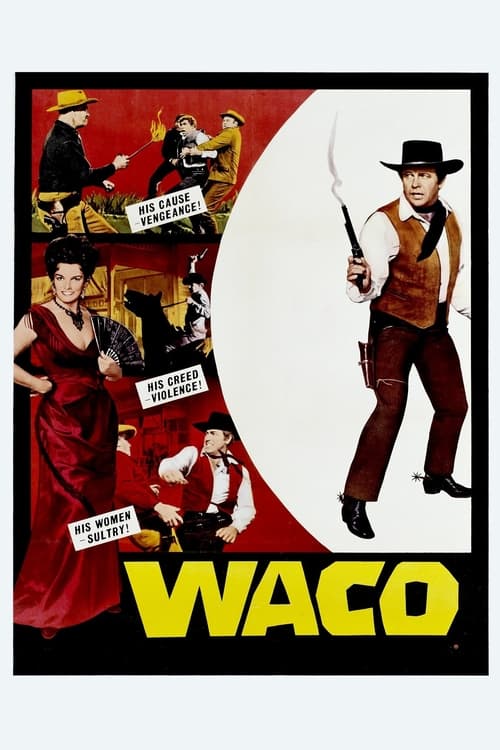
1966
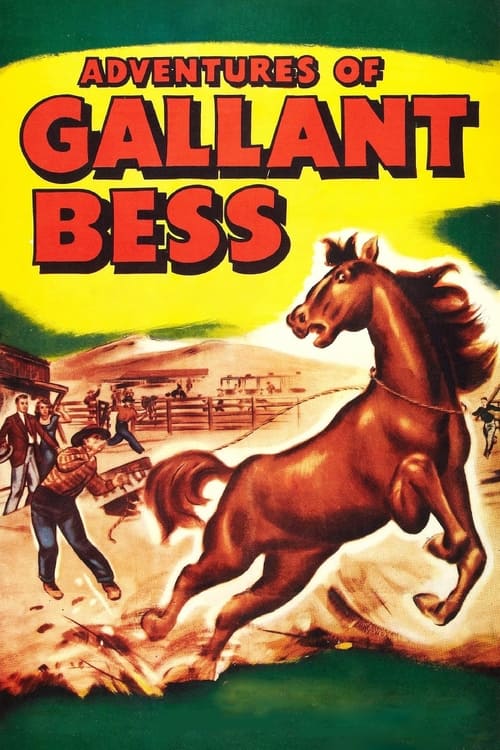
1948
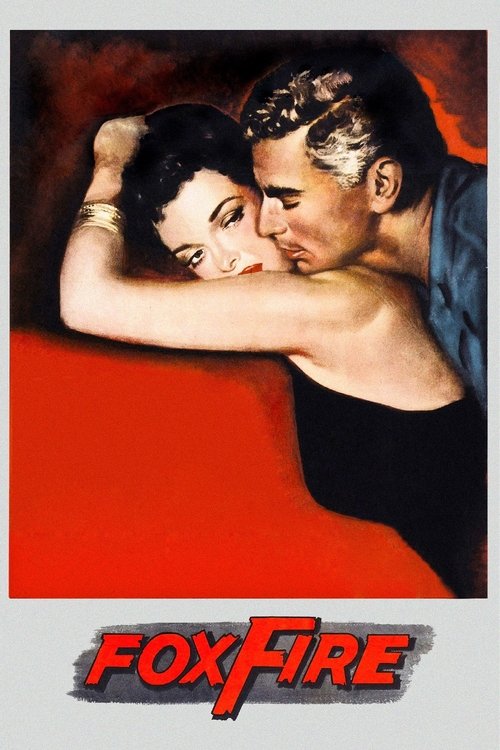
1955
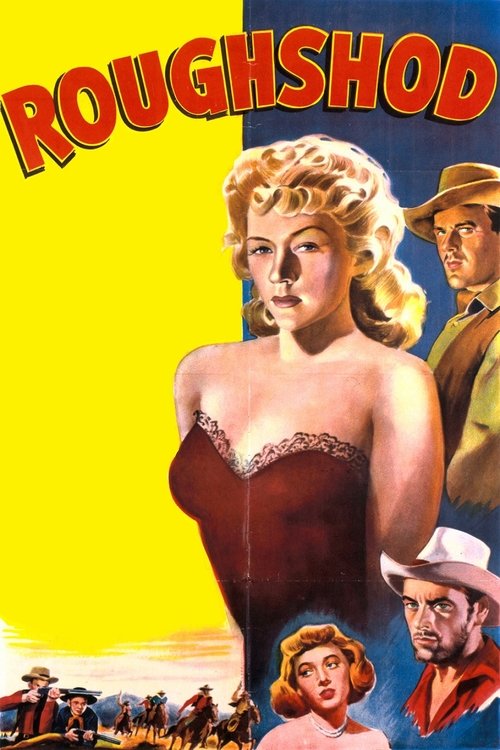
1949
No reviews yet. Be the first to share your thoughts on this movie!
Use the rating form above to leave a star rating and optional review.