Operation Mincemeat
2010
No user ratings available yet
Representation score: 1.1 out of 10
Representation Score
Minimal
2001
K-13Runtime
20 minutes
Average Rating
No ratings yetNew Showbiz Analysis
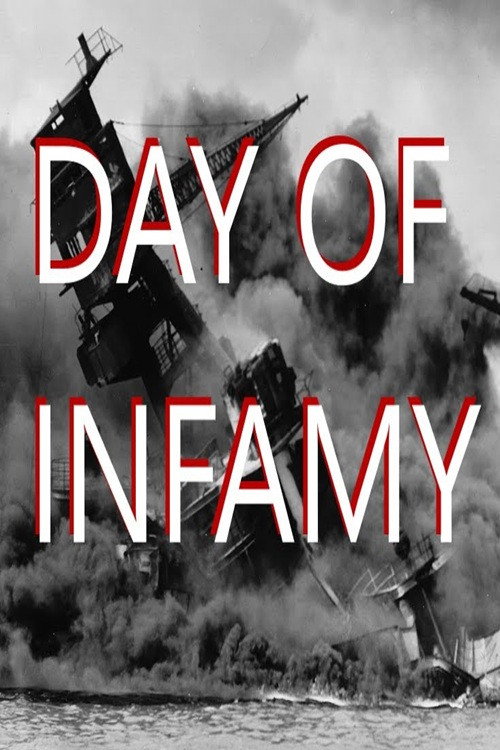
Day of Infamy is a historical documentary that prioritizes the factual recounting of the Pearl Harbor attack over social representation. Given its focus on 1941 military history, the film naturally reflects the era’s rigid hierarchies and traditional power structures. The narrative is driven by archival footage and expert testimony about naval strategy, which limits the exploration of diverse social perspectives. Ultimately, the film serves as a formal documentation of a pivotal event in Western history, resulting in a low diversity score due to its adherence to its genre and historical context.
Category Breakdown
The film focuses on military history and does not include any LGBTQ+ characters or stories about non-straight relationships.
The documentary highlights the strict military structure of the 1940s. It does not feature female perspectives on naval combat or challenge traditional gender roles.
The film examines the Pacific Theater from a traditional Western perspective. It does not highlight underrepresented groups or offer a diverse range of historians.
The narrative emphasizes Western patriotism and national defense. It upholds traditional historical views rather than questioning Western institutions.
The documentary focuses on naval historians and historical events. It does not address the experiences of those with disabilities or neurodivergent conditions.
Present on Screen
Limited or Absent
Official Synopsis
Naval historians discuss in detail the events leading up to the Japanese attack at Pearl Harbor on December 7, 1941.
2010
1970

1942
1976

1944
2018
1944

1941
No reviews yet. Be the first to share your thoughts on this movie!
Use the rating form above to leave a star rating and optional review.