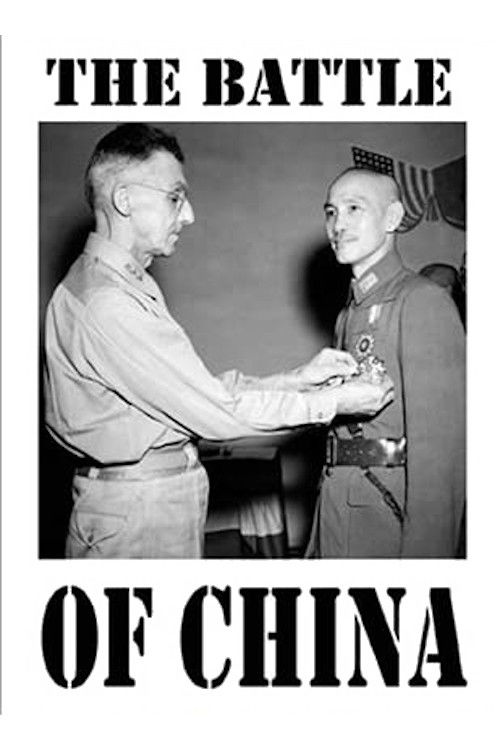
Why We Fight: The Battle of China
1944
No user ratings available yet
Representation score: 4.1 out of 10

Representation Score
Minimal
1943
Not RatedDirector
Frank Capra, Anatole Litvak
Runtime
42 minutes
Average Rating
No ratings yetNew Showbiz Analysis
This documentary serves as a historical artifact designed to mobilize public sentiment for the Allied cause. Its primary objective is the deconstruction of totalitarianism through strategic montage and geopolitical analysis. Because the film's purpose is the reinforcement of a unified, pro-Western moral framework, it does not engage with the nuanced representation of underrepresented groups. The narrative structure is built around systemic political threats rather than social identity. Consequently, the film reflects the social hierarchies of the 1940s, prioritizing the mechanics of fascism and military movement over the exploration of diverse identities.
Category Breakdown
The film contains no depictions of LGBTQ+ identities or queer narratives. As a 1943 documentary focused on military movements, it lacks any representation of LGBTQ+ individuals.
Archival footage reinforces mid-century gender hierarchies, positioning men as the primary agents of political and military power. Women appear mostly in domestic or civilian roles within occupied territories.
The film provides a visual survey of diverse European populations under occupation. However, it focuses on geopolitical struggles rather than exploring racial or ethnic identity as a central driver.
The narrative defends Western democratic institutions and the existing global political status quo. It presents a moral dichotomy between Allied freedom and Nazi tyranny without exploring broader cultural nuances.
There is no discernible focus on disability, neurodivergence, or chronic illness. The film prioritizes military strategy and political rhetoric over individual human-interest stories.
Present on Screen
Limited or Absent
Official Synopsis
The second film of Frank Capra's Why We Fight propaganda film series. It introduces Germany as a nation whose aggressive ambitions began in 1863 with Otto von Bismarck and the Nazis as its latest incarnation.
1944
1935

1945

1943
1944
1942

1945

2010
No reviews yet. Be the first to share your thoughts on this movie!
Use the rating form above to leave a star rating and optional review.