
Hôtel Terminus: The Life and Times of Klaus Barbie
1988
No user ratings available yet
Representation score: 7.4 out of 10
Representation Score
Good
1945
Not RatedDirector
Hans Burger, Billy Wilder
Runtime
22 minutes
Average Rating
No ratings yetNew Showbiz Analysis
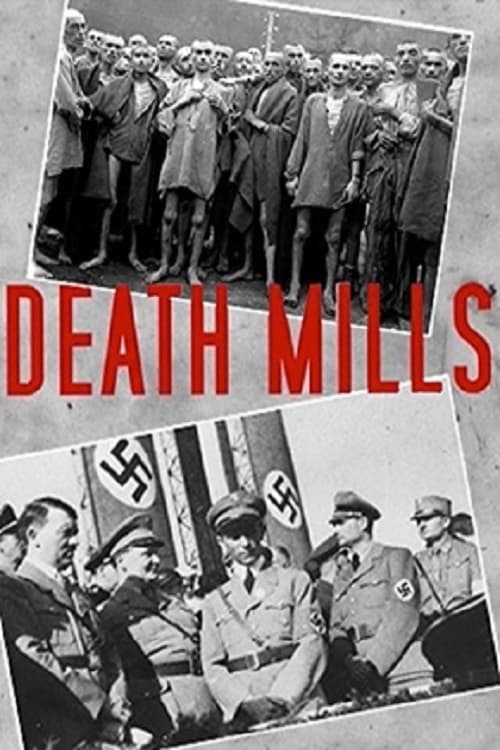
Death Mills serves as a foundational work of historical witness rather than a character-driven narrative. Its primary purpose is the documentation of the liberation of Nazi extermination camps and the evidence of mass murder. The film's strength lies in its refusal to look away from the systemic destruction of diverse populations. It prioritizes the voices and realities of victims over the traditional triumphs of victors. Since it is a forensic documentary, it does not engage with contemporary identity-driven storytelling clichés. Instead, it focuses on the humanity of those targeted by a regime attempting to erase them.
Category Breakdown
The film operates as a forensic and humanitarian record of mass murder. There is no mention of LGBTQ+ characters or narratives within this documentary context.
The documentary captures the lived experiences of female survivors who were victims of systemic genocide. While it does not explore gendered ability to act, these survivors offer a necessary disruption to male-centric war cinema.
The work centers the diverse ethnic and racial identities targeted by the Nazi regime. By documenting survivors, the film resists historical erasure and highlights the humanity of the oppressed.
The film serves as a critical examination of state and military institutions co-opted by extremism. It promotes a moral framework rooted in human rights and the necessity of witnessing systemic evil.
The documentary provides visceral evidence of the physical devastation inflicted upon human bodies. It presents the reality of trauma and impairment as a direct consequence of state-sponsored violence.
Present on Screen
Limited or Absent
Official Synopsis
Originally made with a German soundtrack for screening in occupied Germany and Austria, this was the first documentary to show what the Allies found when they liberated the Nazi extermination camps: the survivors, the conditions, and the evidence of mass murder.
1988
1998

1945

1985
2014
2018

1944
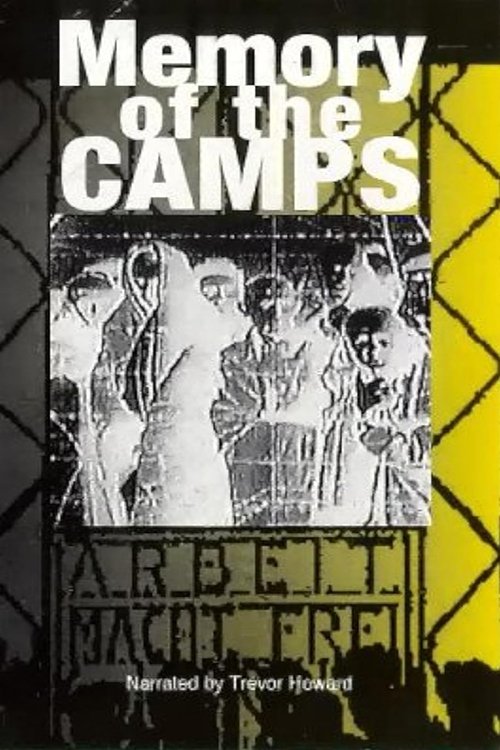
1985
No reviews yet. Be the first to share your thoughts on this movie!
Use the rating form above to leave a star rating and optional review.