
Entr'acte
1924
No user ratings available yet
Representation score: 1.6 out of 10
Representation Score
Minimal
1924
Director
Fernand Léger, Dudley Murphy
Runtime
19 minutes
Average Rating
No ratings yetNew Showbiz Analysis
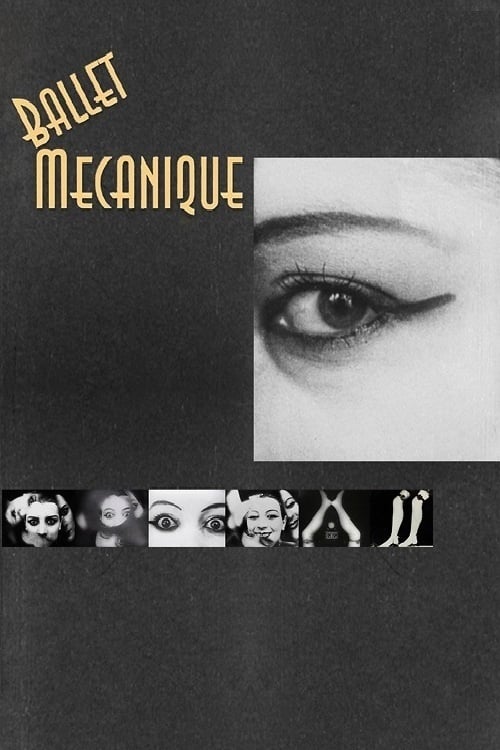
Ballet Mécanique functions as a formalist experiment that prioritizes mechanical geometry over human identity. By breaking down the subject into fragmented parts, the film effectively neutralizes traditional social hierarchies through pure abstraction. However, this radical deconstruction also prevents the film from engaging with meaningful diversity. The absence of narrative ability to act and character-driven identity means that social categories like race, gender, and orientation are largely rendered invisible by the aesthetic of the machine age.
Category Breakdown
The film is a non-narrative montage that lacks character-driven arcs. It focuses on rhythmic abstraction and does not depict sexual orientation or gender identity.
Close-ups of female faces are used as geometric shapes rather than social actors. This avoids traditional domestic roles but lacks active character roles.
The montage technique obscures specific ethnic identities through fragmentation. The imagery prioritizes the machine age over meaningful racial representation or diverse casting.
The work disrupts standard moral frameworks by prioritizing kinetic energy over religious or social institutions. It celebrates the machine age through a postmodern lens.
The film does not feature characters with disabilities. The focus remains strictly on the rhythmic intersection of human anatomy and industrial machinery.
Present on Screen
Limited or Absent
Official Synopsis
Ballet Mécanique is a Dadaist, post-Cubist art film conceived, written, and co-directed by the artist Fernand Léger in collaboration with the filmmaker Dudley Murphy. It has a musical score by the American composer George Antheil.
1924

1929

1929
1928
1958
1931
1940

1926
No reviews yet. Be the first to share your thoughts on this movie!
Use the rating form above to leave a star rating and optional review.