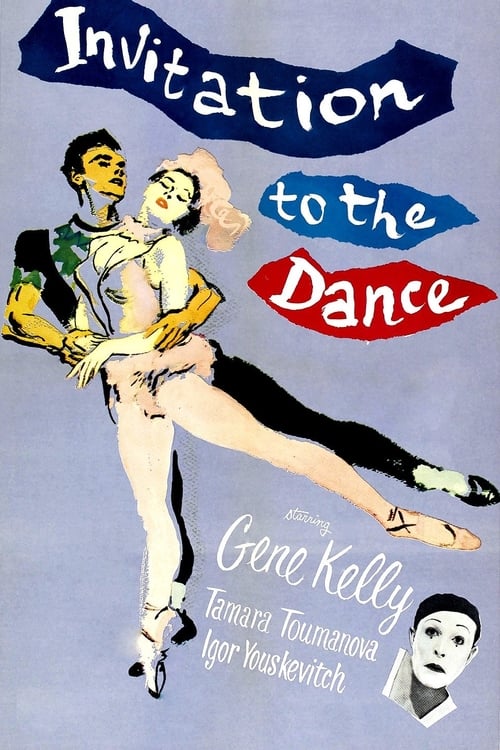
Invitation to the Dance
1956
No user ratings available yet
Diversity score: 1.8 out of 10
1958
Director
Maya Deren
Runtime
15 minutes
Average Rating
No ratings yetSynopsis
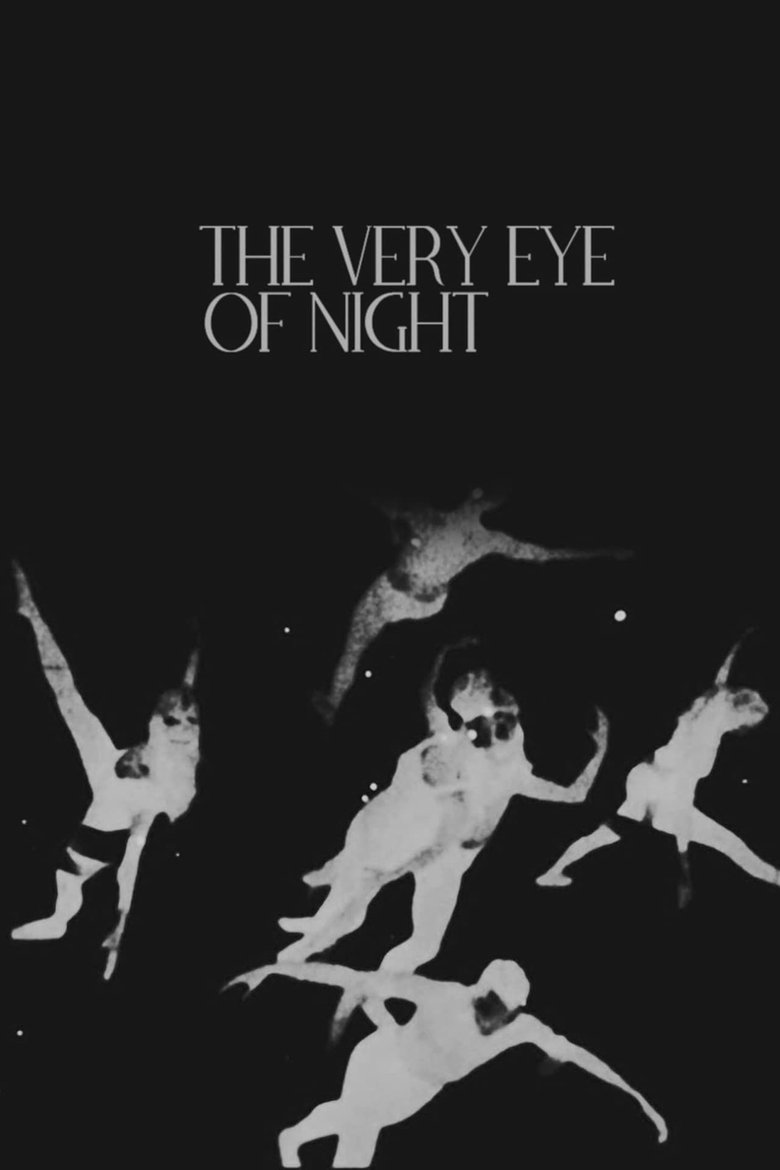
Dancers, shown in photographic negative, perform a series of ballet moves, solos, pas de deux, larger groupings. The dancers glide and rotate untroubled by gravity against a slowly changing starfield background. Their movements are accompanied by music scored for a small ensemble of woodwind and percussion.
Overall Score
Fair
Category Breakdown
LGBTQ+ Representation
The film's focus on duets and group movements within an abstract space allows for fluid gender expression. While specific identities are not explicitly confirmed, the avant-garde style facilitates non-heteronormative interpretations of intimacy.
Gender Representation
Balletic movement in a cosmic setting shifts focus from traditional gendered roles to kinetic expression. The use of photographic negatives disrupts standard visual hierarchies, though the lack of narrative agency limits impact.
Racial & Ethnic Diversity
The abstract, negative-image medium obscures traditional markers of ethnicity. There is insufficient information to determine the specific racial or ethnic identities of the dancers.
Religious & Cultural Diversity
The work rejects traditional Western realism by prioritizing dream-like experiences and cosmic abstraction. This departure from grounded reality serves as a critique of rigid mid-century social norms.
Disability Representation
There is no evidence within the film to suggest the presence or portrayal of visible or invisible disabilities.
Strengths
Areas for Improvement
AI Analysis
Maya Deren’s experimental work functions as a formalist exploration of movement and space. By utilizing photographic negatives and a starfield background, the film removes subjects from terrestrial, socio-political contexts. This places the dancers in a cosmic, abstract realm where identity is defined by rhythm rather than social categorization. The film succeeds in disrupting conventional expectations of reality and physical law. However, because it prioritizes symbolic expression over character-driven storytelling, it lacks the explicit agency required for high diversity scores. Ultimately, the work offers a space where traditional hierarchies are bypassed through pure abstraction, though the medium itself obscures specific demographic details.
No reviews yet. Be the first to share your thoughts on this movie!
Use the rating form above to leave a star rating and optional review.