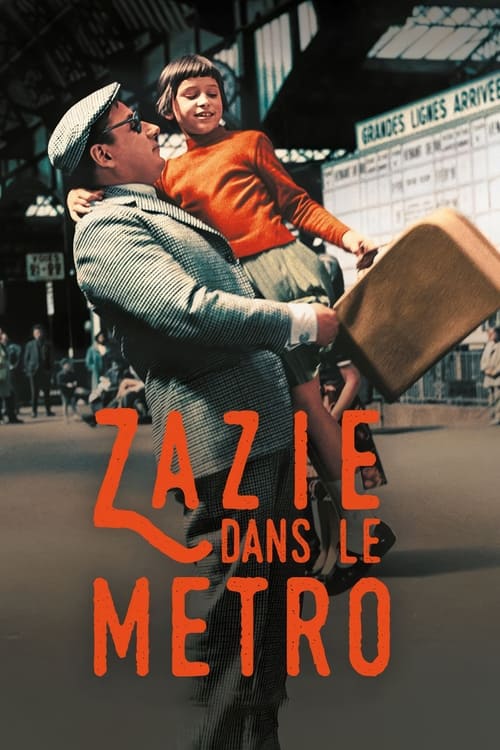
Zazie dans le Métro
1960
No user ratings available yet
Representation score: 3.5 out of 10

Representation Score
Minimal
1924
Director
René Clair
Runtime
22 minutes
Average Rating
No ratings yetNew Showbiz Analysis
Entr'acte is a foundational Dadaist work that emphasizes aesthetic absurdity over conventional storytelling. It serves as a rhythmic, surrealist montage meant to disrupt viewers' expectations of cinematic structure. While the film lacks traditional demographic representation regarding race, gender, and LGBTQ+ identity, it excels in subverting cultural norms. The creators use chaos to critique the organized, disciplined structures of early 20th-century society. Ultimately, the film focuses more on deconstructing systemic social norms through visual absurdity rather than exploring individual identity.
Category Breakdown
The film does not depict any non-straight relationships or queer stories. Since it is an avant-garde piece without character-driven plots, it does not explore sexual orientation.
The visuals remain traditional, showing dancers and performers in stylized roles. It does not challenge traditional gender power dynamics.
The production reflects the homogeneous demographics of the 1920s French avant-garde scene. There is no indication of diverse ethnic perspectives or inclusive casting.
The film effectively mocks traditional Western social structures through surreal vignettes. It criticizes the organized, rigid structures of early 20th-century society.
There is no representation of neurodivergent or physical disabilities. These traits are not used as narrative devices in the film.
Present on Screen
Limited or Absent
Official Synopsis
Stop-motion photography blends with extreme slow-motion in Clair's first and most dada film, composed of a series of zany, interconnected scenes. We witness a rooftop chess match between Marcel Duchamp and Man Ray, a hearse pulled by a camel (and chased by its pallbearers) and a dizzying roller coaster finale. A film of contradictions and agreements.
1960

1974
1900
1906

1901
1905

1900
1904
No reviews yet. Be the first to share your thoughts on this movie!
Use the rating form above to leave a star rating and optional review.