
Abstronic
1952
No user ratings available yet
Representation score: 3.3 out of 10
Representation Score
Minimal
1940
Director
Mary Ellen Bute, Ted Nemeth
Runtime
5 minutes
Average Rating
No ratings yetNew Showbiz Analysis
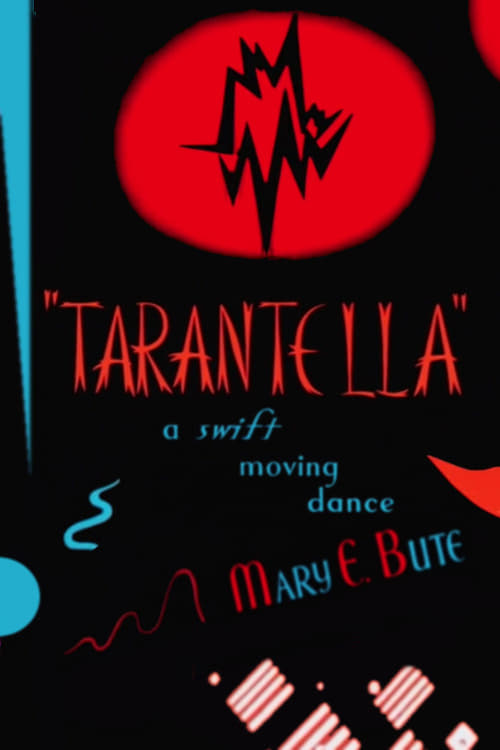
Tarantella is an experimental short that prioritizes visual abstraction and auditory rhythm over traditional storytelling. Given its lack of characters, dialogue, and interpersonal dynamics, standard measures for identity-based representation cannot be applied. However, the film holds significance through its innovative leadership. Mary Ellen Bute’s presence as a female pioneer in the male-dominated field of experimental animation challenges established cinematic norms. Ultimately, the film's diversity lies in its formal qualities. By rejecting linear narrative structures, it offers a non-traditionalist expression that moves away from conventional storytelling methods.
Category Breakdown
This film focuses on abstract visuals and sound, so there are no characters or interpersonal interactions to depict LGBTQ themes.
Mary Ellen Bute's role as a female leader in the male-dominated field of experimental animation highlights her significant impact despite the abstract nature of the work.
The film uses abstract visuals and colors instead of human characters, making it impossible to analyze racial or ethnic representation.
By prioritizing subjective sensory experiences and rejecting traditional narrative structures, the film emphasizes personal freedom and flux.
Since the film does not include human characters, there are no depictions of neurodivergence or physical abilities.
Present on Screen
Limited or Absent
Official Synopsis
Here the artist creates a world of color, form, movement and sound in which the elements are in a state of controllable flux, the two materials (visual and aural) are subject to any conceivable interrelation and modification.
1952

1962

1938
1946

1949

1959
1964
1955
No reviews yet. Be the first to share your thoughts on this movie!
Use the rating form above to leave a star rating and optional review.