Metamorphoses
1912
No user ratings available yet
Representation score: 0.6 out of 10
Representation Score
Limited
1929
Director
Germaine Dulac
Runtime
8 minutes
Average Rating
No ratings yetNew Showbiz Analysis
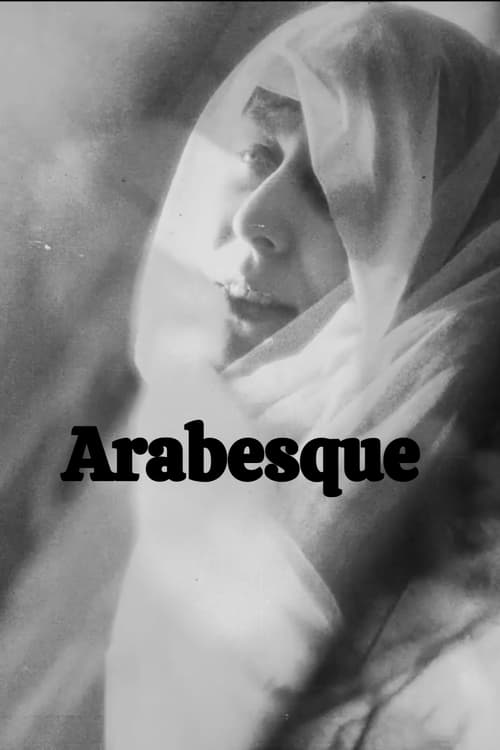
Germaine Dulac’s *Arabesque* is a landmark of French Impressionist cinema that prioritizes sensory experience over traditional narrative. It succeeds in breaking down patriarchal storytelling by replacing rigid structures with a fluid, rhythmic design focused on organic movement. While the film excels at challenging traditional cinematic structures through its avant-garde aesthetics, it lacks demographic diversity. The focus remains strictly on natural elements and light, leaving racial and disability representation unaddressed. Ultimately, the film offers a meaningful disruption of the standard cinematic frame, favoring subjective and non-institutionalized visual experiences.
Category Breakdown
The film doesn't explicitly show same-sex relationships or identities. However, its use of fluid, non-linear visuals hints at a subtext of non-traditional expression.
The film centers the female experience through a sensory lens, using graceful movements and feminine-coded elements as the main design principles.
The film focuses on abstract studies of light and natural elements. There is no indication of a diverse cast or inclusion of non-Anglo-Saxon identities.
The film rejects traditional Western storytelling in favor of visual abstraction. It prioritizes a secular, impressionistic exploration of life over structured religious or capitalist narratives.
The abstract focus on elemental patterns and organic shapes provides no evidence to assess the representation of physical or neurodivergent identities.
Present on Screen
Limited or Absent
Official Synopsis
The film’s visual structure is principally composed of variations on the arabesque: arcs of light, water spouts, spider webs, burgeoning trees, flowers and foliage, a woman’s smile, arms stretching, an arm giving rhythm to a rocking chair. It uses natural elements (light, mirrors, water, and wind) and photographic techniques (multiple exposures and lenses) to distort the various elements, or to intensify their design.
1912
1932
1907
1974

1924
1927
1928
1981
No reviews yet. Be the first to share your thoughts on this movie!
Use the rating form above to leave a star rating and optional review.