Metamorphosis
2007
No user ratings available yet
Representation score: 4.5 out of 10
Representation Score
Fair
2008
RDirector
Juraj Jakubisko
Runtime
141 minutes
Average Rating
No ratings yetNew Showbiz Analysis
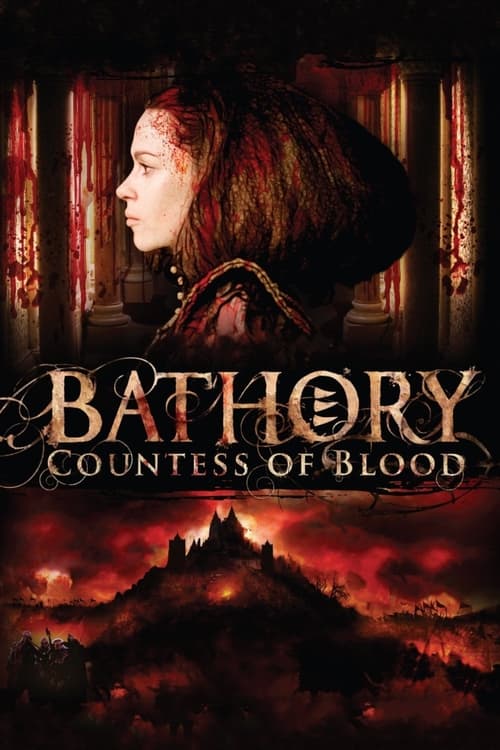
Bathory: Countess of Blood is a historical deconstruction that prioritizes a critique of systemic power over modern demographic variety. While it lacks LGBTQ+ and racial diversity, it challenges traditional gender hierarchies by empowering its female protagonist with significant influence. The film's strength lies in its critique of corrupt aristocratic institutions and class-based oppression. It provides a sophisticated examination of how these factors contribute to the protagonist's descent into infamy. Ultimately, the work serves as a critique of Western class hierarchies and gendered power dynamics rather than as a diverse contemporary social portrait.
Category Breakdown
The film follows 16th-century Hungarian customs and lacks depictions of non-binary gender identities or same-sex relationships, focusing instead on straight relationships and aristocratic power structures.
The story centers on a woman with significant influence rather than passive roles. It challenges traditional hierarchies by showing male political figures as manipulative and contributing to the protagonist's downfall.
Casting reflects the demographics of Renaissance-era Hungary. The film focuses on a homogeneous European aristocratic class, emphasizing historical accuracy over modern diversity.
The film critiques corrupt feudal power structures and the nobility's exploitation of peasants. It questions official historical records using moral relativism and highlights the systemic oppression of the lower classes.
Psychological instability and fragmented minds drive the horror elements. However, these portrayals focus on Gothic madness clichés rather than nuanced explorations of neurodivergence or mental health.
Present on Screen
Limited or Absent
Official Synopsis
Bathory is based on the legends surrounding the life and deeds of Countess Elizabeth Bathory known as the greatest murderess in the history of mankind. Contrary to popular belief, Elizabeth Bathory was a modern Renaissance woman who ultimately fell victim to men’s aspirations for power and wealth.
2007

1969
2009

1973

2015
1990
2012

1974
No reviews yet. Be the first to share your thoughts on this movie!
Use the rating form above to leave a star rating and optional review.