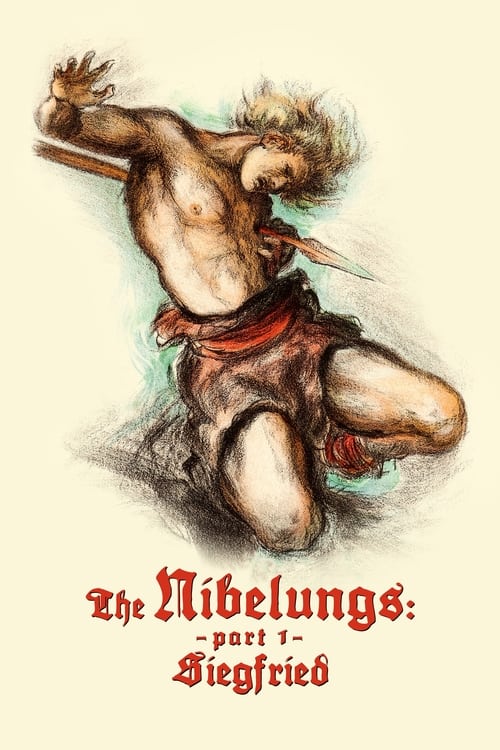
Die Nibelungen: Siegfried
1924
No user ratings available yet
Representation score: 1.2 out of 10
Representation Score
Limited
1924
Not RatedDirector
Fritz Lang
Runtime
129 minutes
Average Rating
No ratings yetNew Showbiz Analysis
Fritz Lang’s epic stands out for its subversion of gendered power dynamics. Kriemhild emerges as a strategic leader, shifting the narrative focus from male-driven conflict to female-led destruction of the Burgundian hierarchy. While the film excels in portraying female leadership, it adheres to the cinematic conventions of its time. The portrayal of the Hunnic court relies on exoticism clichés, and the narrative lacks LGBTQ+ or disability representation. Ultimately, the film’s strength lies in its deconstruction of institutional stability and its exploration of situational ethics, making it a nuanced study of individual action against social structures.
Category Breakdown
The film does not include any visible LGBTQ+ characters or representations of non-straight relationships. The story stays within traditional marriage structures.
Kriemhild challenges expectations of female passivity by evolving from a grieving widow into a powerful protagonist. She leads the plot and uses her intelligence to dismantle patriarchal lineages.
The film presents a visual contrast between the Burgundian and Hunnic courts. However, the Huns are portrayed through early 20th-century clichés of exoticism.
The story examines moral relativism and the collapse of traditional Western institutions. It emphasizes personal vengeance and individual truth over societal norms.
The film does not depict any characters with visible or invisible disabilities.
Present on Screen
Limited or Absent
Official Synopsis
When Kriemhild, thirsty for revenge, marries to Etzel, king of the Huns, she invites King Gunther and his court to visit them, intending to finally take the life of the man responsible of her disgrace.
1924

1959
1912
1925

1921
1949

1967
2014
No reviews yet. Be the first to share your thoughts on this movie!
Use the rating form above to leave a star rating and optional review.