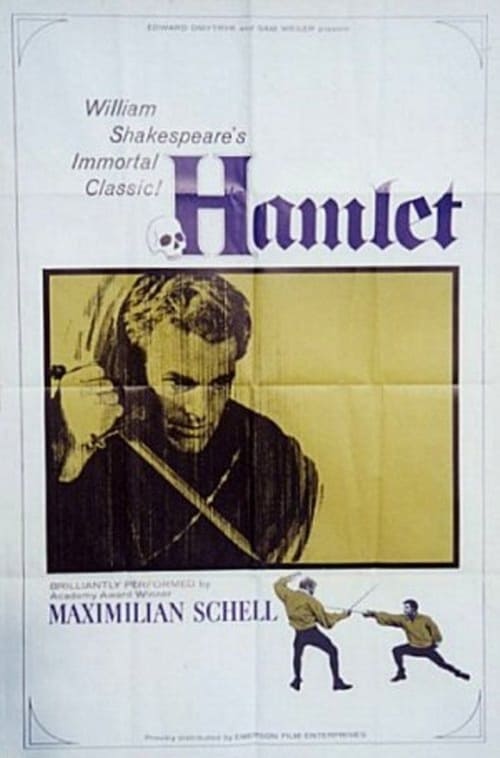
Hamlet, Prince of Denmark
1961
No user ratings available yet
Representation score: 3.1 out of 10

Representation Score
Good
1976
Director
Metin Erksan
Runtime
86 minutes
Average Rating
No ratings yetNew Showbiz Analysis
Metin Erksan’s adaptation stands out for its bold subversion of gendered literary traditions. By casting a woman as Hamlet, the film shifts the power dynamics of the vengeful hero cliché, replacing expected female passivity with intellectual and strategic ability to act. The production also offers a cultural shift by moving Shakespearean drama into a Turkish cinematic context. This decenters the Anglo-Saxon hegemony usually found in these adaptations, providing a different lens on a Western classic. However, the film remains limited in its exploration of queer identities and explicit racial diversity. While it challenges gendered status quos, it does not provide significant evidence of non-assuming gender matches what was assigned at birth identities or a non-white majority cast.
Category Breakdown
The film focuses on familial betrayal and revenge without highlighting explicit queer identities. It disrupts traditional casting by reimagining a male role, but there is no depiction of same-sex intimacy.
The film centers a female protagonist in a traditionally masculine role, challenging traditional gender hierarchies. This casting gives a woman the strategic power to drive a high-stakes political plot.
As a Turkish production, the film moves away from Anglo-Saxon dominance by setting a Western narrative in a Turkish context. This shifts the usual Western perspective.
The story uses psychological instability to explore justice and critiques traditional family structures. The focus on a ghost highlights subjective truth over institutional morality.
The protagonist's decision to pretend to be insane introduces themes of neurodivergence and mental health. Using a mental state as a strategic tool suggests a complex engagement with psychological vulnerability.
Present on Screen
Limited or Absent
Official Synopsis
Hamlet returns home from drama school in United States, after the cold-blooded assassination of her father by her uncle, who has married Hamlet’s mother. After seeing her father’s ghost, Hamlet decides to feign insanity, in order to get to the truth.
1961

1969

2010
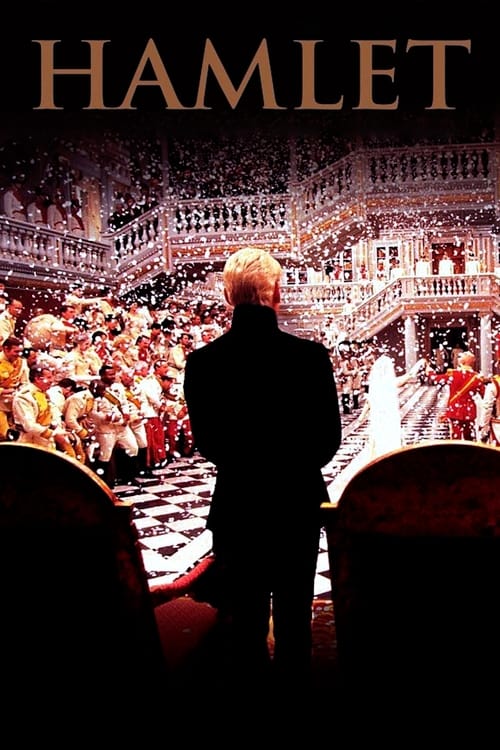
1996

1980

1974
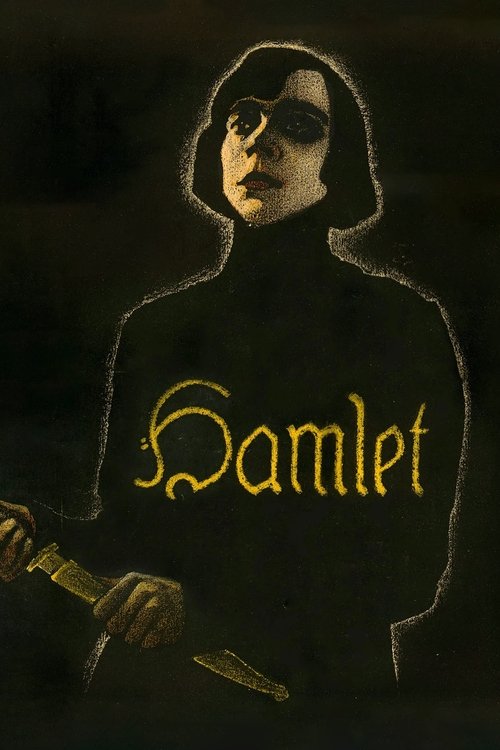
1921
No reviews yet. Be the first to share your thoughts on this movie!
Use the rating form above to leave a star rating and optional review.