Tall in the Saddle
1944
No user ratings available yet
Representation score: 0.4 out of 10
Representation Score
Minimal
1945
NRDirector
Sam Newfield
Runtime
64 minutes
Average Rating
No ratings yetNew Showbiz Analysis
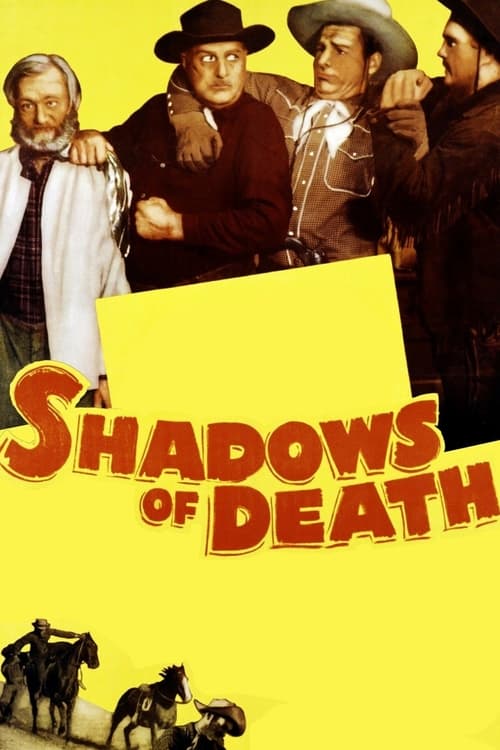
Shadows of Death is a typical 1945 Western that follows traditional genre conventions. The story revolves around a male-driven conflict involving railroad expansion, property theft, and frontier justice. The film reflects the social hierarchies of its time, emphasizing conventional masculine roles and the protection of developmental interests. It offers little subversion of the era's demographic norms. Overall, the film serves as a period-appropriate genre piece that reinforces institutional stability without exploring diverse social perspectives or multi-layered identities.
Category Breakdown
The film does not depict any non-straight relationships or same-sex intimacy. The main relationship between Billy and Fuzzy follows traditional masculine roles.
Men like Billy, Fuzzy, and Landreau play key roles, suggesting a male-dominated environment typical of mid-century Westerns. There are no female leaders in the narrative.
The story focuses on themes like railroad expansion and frontier justice, which traditionally prioritize white perspectives. There are no characters from diverse racial backgrounds.
The story emphasizes mid-century values around property and law enforcement. It does not critique Western social structures.
There is no information about characters with physical or neurodivergent disabilities.
Present on Screen
Limited or Absent
Official Synopsis
With the railroad coming to Red Rock, trouble is expected and Billy has been sent to help his friend Fuzzy who is the town's sheriff, judge, and barber. When the man that sent Billy is murdered and the railroad location map stolen, broken match sticks point to Vic Landreau. While Billy tries to find the missing map, Landreau suspects Billy is on to him and plans to have him killed.
1944
1937
1943
1948
1938

1948
1935
1953
No reviews yet. Be the first to share your thoughts on this movie!
Use the rating form above to leave a star rating and optional review.