
Galileo
1975
No user ratings available yet
Representation score: 1.7 out of 10
Representation Score
Limited
2018
Director
Alberto Fasulo
Runtime
103 minutes
Average Rating
No ratings yetNew Showbiz Analysis
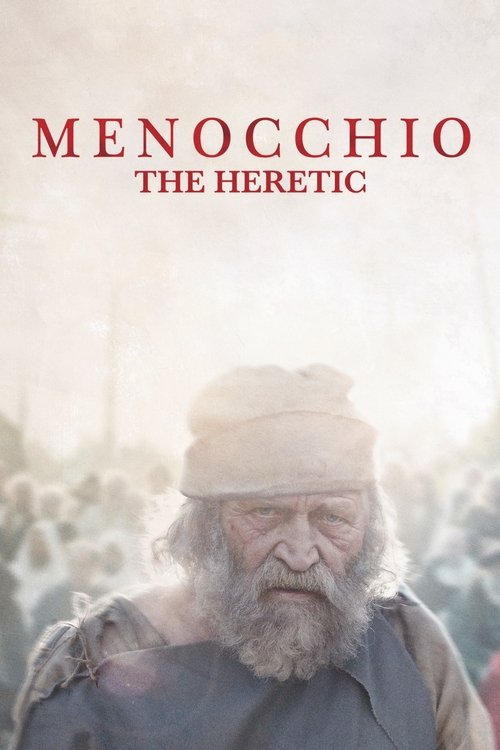
Menocchio is a historical drama that prioritizes philosophical inquiry over conventional storytelling techniques. It serves mainly as a critique of institutional authority and systemic oppression. The film effectively deconstructs historical power structures by centering a protagonist who resists a dominant, oppressive system. However, it lacks representation related to modern identity issues such as LGBTQ+ identities, disability, and racial diversity, focusing instead on religious and class struggles.
Category Breakdown
The film does not include any LGBTQ+ characters or stories about non-cisgender identities. Instead, it focuses on religious and class-based conflicts.
The story centers on a single male protagonist named Menocchio, suggesting a traditional patriarchal structure where his actions drive the plot.
Set in 16th-century Italy, the cast likely reflects the homogeneous ethnic makeup of the time. The story emphasizes class-based identity rather than racial diversity.
The film challenges institutional power by portraying the Church as an oppressive force. It highlights the heretic as a symbol of intellectual independence.
There are no characters with visible or invisible disabilities portrayed in the film.
Present on Screen
Limited or Absent
Official Synopsis
Italy, late 16th century, the Church, threatened by the Protestants, unleashes the Inquisition. Menocchio, an old, stubborn, self-educated miller oppose the new order. Accused of heresy, he ignores the pleadings and stands trial. The story of a man incapable of betraying his own principles.
1975
1943
1987

1963
1974
1993

1984

1971
No reviews yet. Be the first to share your thoughts on this movie!
Use the rating form above to leave a star rating and optional review.