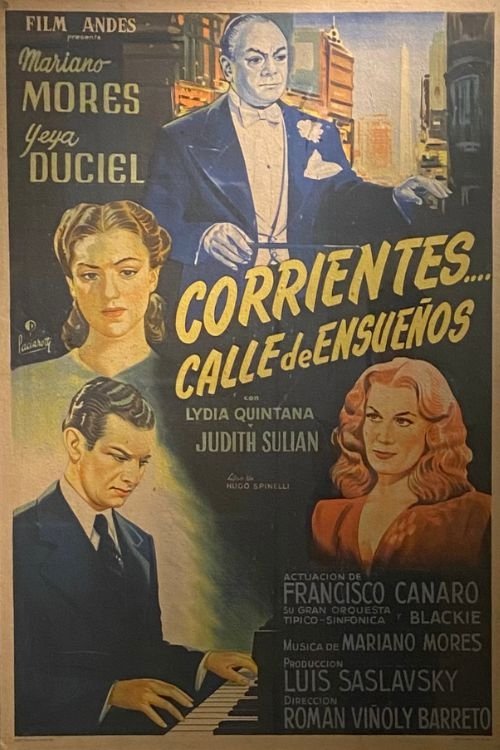
Corrientes, calle de ensueños
1949
No user ratings available yet
Representation score: 1.3 out of 10
Representation Score
Fair
1939
Director
José Bohr
Runtime
96 minutes
Average Rating
No ratings yetNew Showbiz Analysis
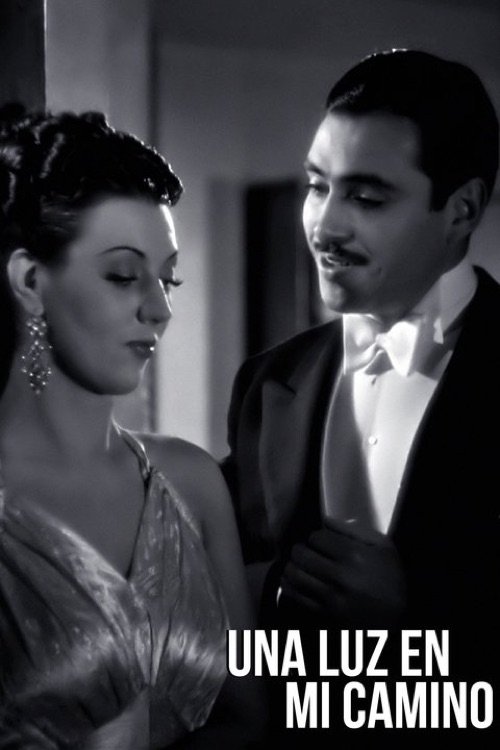
Una luz en mi camino is a product of its era, using a conventional dramatic structure typical of 1930s Latin American cinema. It features central roles for a woman and a character with a disability, yet these roles fit within established social hierarchies. The narrative centers on professional aspiration and meritocracy. While the characters play significant roles, the film’s structure aligns with traditional storytelling rather than challenging the social norms of the time. Ultimately, the film offers localized representation but lacks the complexity needed to disrupt historical gender or social dynamics.
Category Breakdown
The film does not include explicit queer narratives or non-straight identities. The relationship between María and Joaquín follows traditional dramatic pairings common in 1930s cinema.
María is a talented female protagonist who drives the plot. However, the mentor-student dynamic with Joaquín upholds a traditional hierarchy where the male figure provides essential guidance.
The film reflects the regional demographics of 1939 Chile. It adheres to historical norms without showing intentional blending of different backgrounds or addressing specific ethnic conflicts.
The story follows a conventional path of striving for success and upward mobility. It reinforces meritocratic ideals without critiquing existing social or Western institutions.
Joaquín is a blind composer, which provides a meaningful role for a character with a disability. However, there is a risk that his disability serves as a sentimental cliché to facilitate María's growth.
Present on Screen
Limited or Absent
Official Synopsis
In a small city, talented María was trained as a singer by blind composer Joaquín. They both dream of making it big in the capital but, when they finally make the move, they find that success is not achieved without struggles.
1949

1930
1947
1950
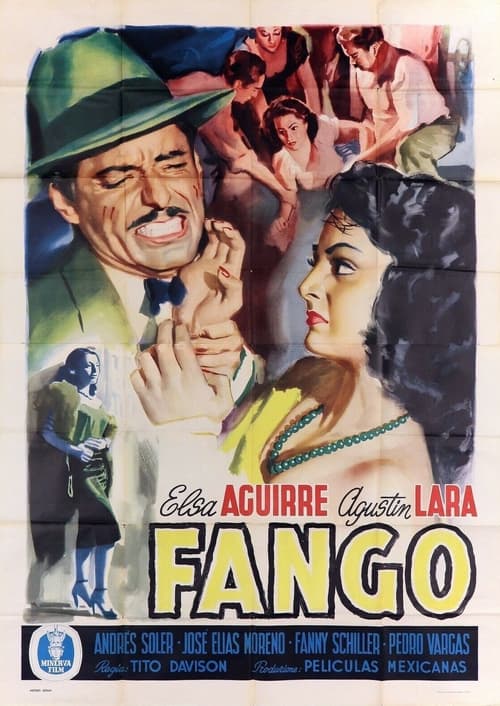
1950

2005
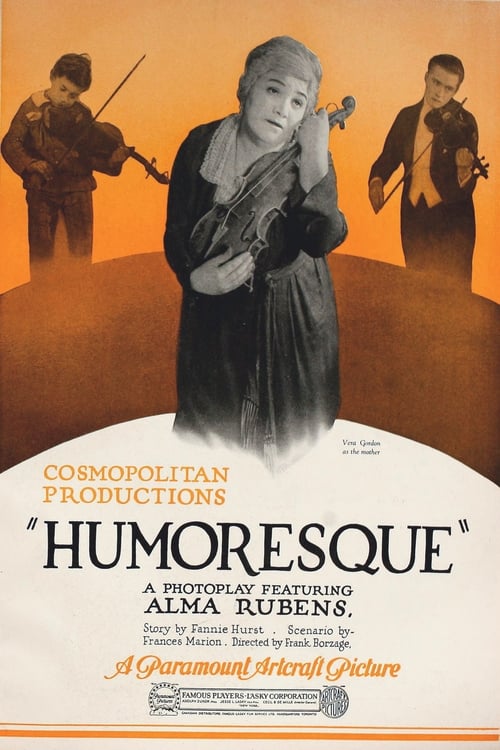
1920
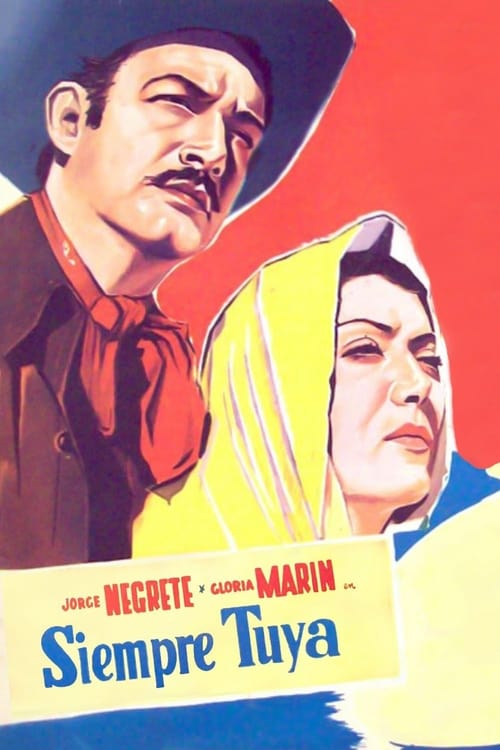
1952
No reviews yet. Be the first to share your thoughts on this movie!
Use the rating form above to leave a star rating and optional review.