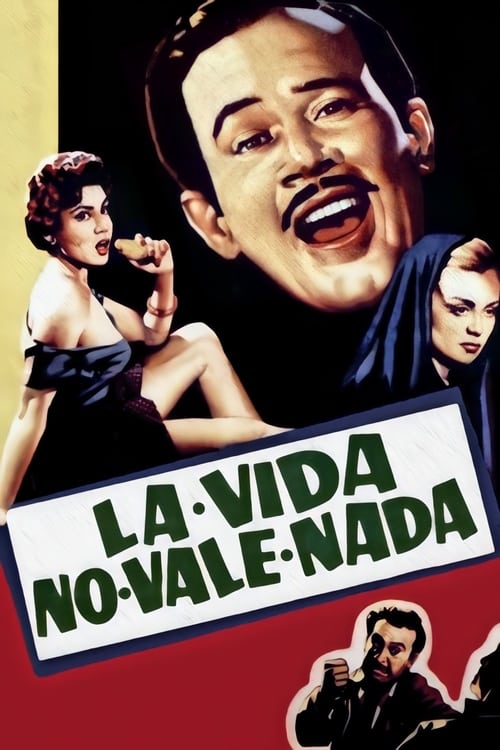
La Vida No Vale Nada
1955
No user ratings available yet
Representation score: 4.7 out of 10
Representation Score
Limited
1952
Director
Rogelio A. González
Runtime
120 minutes
Average Rating
No ratings yetNew Showbiz Analysis
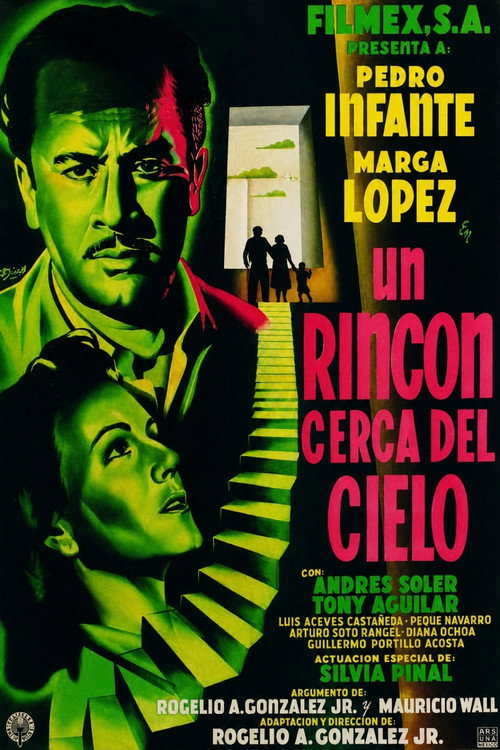
A Place Close to Heaven is a classic mid-century Mexican melodrama. It offers a culturally authentic depiction of the Mexican experience and urban migration. However, it adheres closely to the social norms of its time, reinforcing traditional gender roles and family structures. The film does not challenge or subvert these norms.
Category Breakdown
The film does not include any LGBTQ+ identities or same-sex relationships. It assumes everyone is straight and cisgender.
Women play key roles in the story, but their influence is often tied to emotional struggles and traditional domestic duties. The film reinforces traditional gender roles.
The film features a predominantly Mexican cast, offering a culturally authentic portrayal. It highlights the Mexican social experience without whitewashing.
The story aligns with the moral and cultural norms of 1950s Mexico, focusing on family preservation and traditional values.
There are no specific representations of disabilities. The narrative focuses on socioeconomic challenges and romantic conflicts.
Present on Screen
Limited or Absent
Official Synopsis
An honest man emigrates to the capital in search of a better life, but ends up mired in extreme poverty along with his family; forced to overcome tragedy and despair to find, even in misery, a glimmer of hope.
1955

1961
1972
1924
1951

1928

1961
1953
No reviews yet. Be the first to share your thoughts on this movie!
Use the rating form above to leave a star rating and optional review.