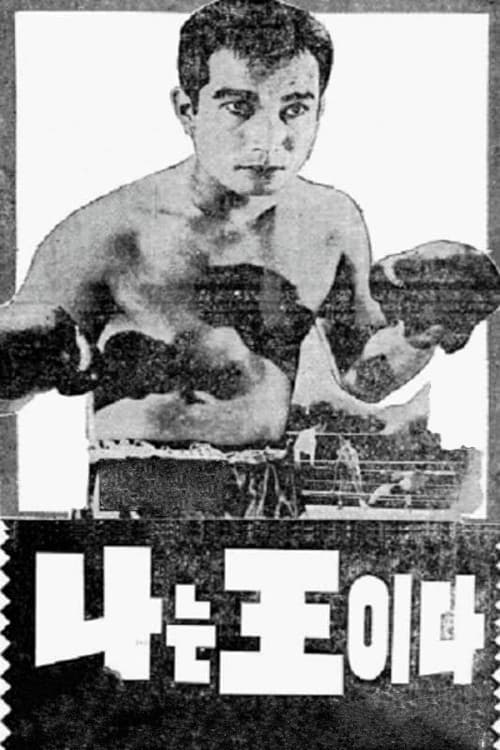
I Am a King
1966
No user ratings available yet
Representation score: 2.2 out of 10
Representation Score
Fair
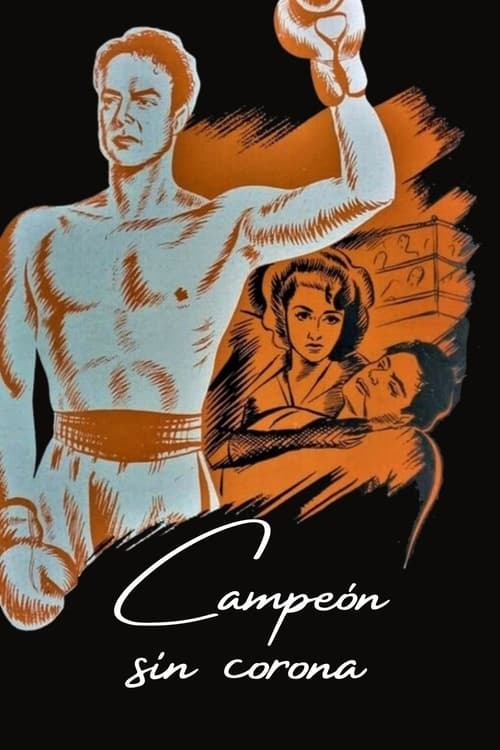
1946
Director
Alejandro Galindo
Runtime
111 minutes
Average Rating
No ratings yetNew Showbiz Analysis
Alejandro Galindo’s film is a crucial piece of social realism that centers on a non-Anglo narrative. By focusing on the struggles of the Mexican working class, it offers an authentic perspective that challenges the idealized success stories often found in Western cinema. However, the film adheres to the conventions of the 1940s, reinforcing the assumption that everyone is straight or cisgender and emphasizing traditional male hierarchies. These limitations restrict the scope of representation regarding gender and sexual identity. Ultimately, the film’s strength lies in its grounded examination of how socio-economic environments shape individual lives, moving beyond simplistic meritocracy to explore the complexities of class struggle.
Category Breakdown
There are no LGBTQ+ characters or narratives that question the assumption that everyone is straight or cisgender.
The story revolves around a male protagonist and a male mentor, emphasizing traditional male hierarchies. There is no evidence of women taking a leading role or challenging domestic hierarchies.
As a key film in Mexican cinema, it centers on a Mexican protagonist and explores local socio-economic conditions, providing a significant contrast to Anglo-centric Hollywood narratives.
The narrative highlights the impact of class stratification and systemic barriers on social mobility, offering a nuanced look at the protagonist's environment.
The film focuses on personal and social challenges rather than on the experiences of those with disabilities. There is no specific exploration of physical or neurodivergent disabilities.
Present on Screen
Limited or Absent
Official Synopsis
A young ice cream vendor, Roberto Terranova, witnesses a child being beaten and comes to his aid by physically overpowering the aggressor. His strength and natural ability catches the eye of a well-known boxing trainer. Considering him a diamond in the rough, he aims to put Roberto in the professional ring. But Roberto finds that his personal challenges must be overcome before he can achieve professional greatness.
1966
1947
2003
2013

1956

1963
1954
1956
No reviews yet. Be the first to share your thoughts on this movie!
Use the rating form above to leave a star rating and optional review.