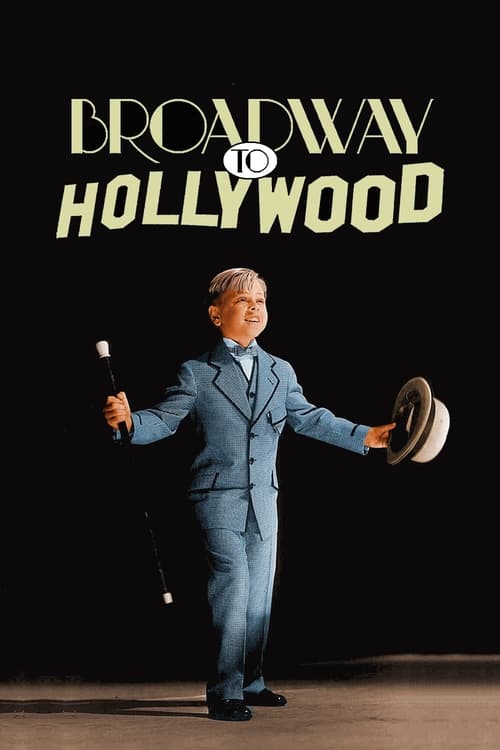
Broadway to Hollywood
1933
No user ratings available yet
Representation score: 2.0 out of 10
Representation Score
Limited
1933
PassedDirector
Richard Thorpe
Runtime
52 minutes
Average Rating
No ratings yetNew Showbiz Analysis
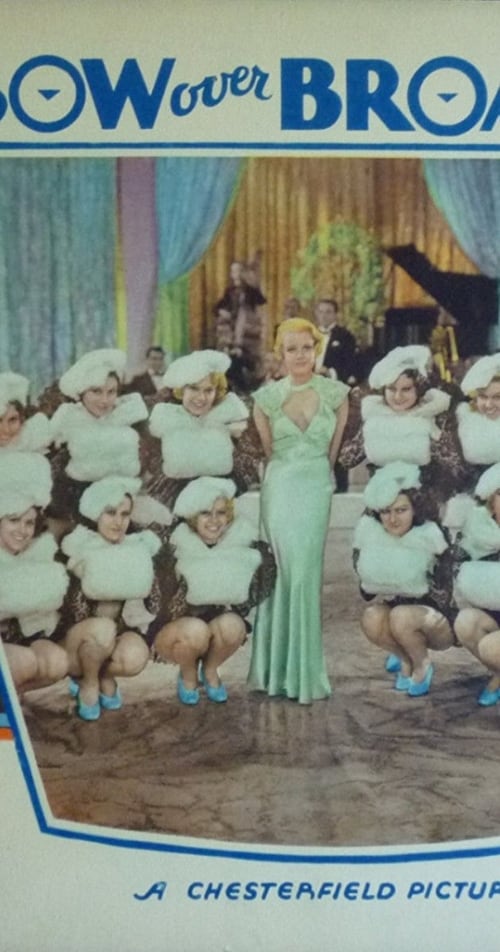
Rainbow Over Broadway is a product of the 1930s studio system, emphasizing traditional melodrama over progressive social themes. The plot centers on a generational conflict between a former vaudeville performer and her step-children, a common theme of the era. The film adheres to the social norms of its time, focusing on professional rivalry and familial competition rather than exploring diverse identities or subverting traditional narratives. Ultimately, the work reflects the standardized narrative structures of early 20th-century cinema, offering limited representation of diverse or non-traditional characters.
Category Breakdown
The film does not include any characters with non-traditional gender identities. The story revolves around traditional family dynamics and parent-child relationships.
Trixie is a strong female character driven by her career ambitions. However, the story follows a typical competitive structure that doesn't challenge traditional gender roles.
The film does not indicate any multi-ethnic or non-white characters. The setting suggests a homogeneous cast typical of the 1930s vaudeville era.
The story follows the moral standards of the early 1930s, focusing on individual ambition and the established hierarchy within the entertainment industry.
There are no characters with visible or invisible disabilities mentioned in the narrative.
Present on Screen
Limited or Absent
Official Synopsis
Ex-vaudeville performer Trixie makes a come-back, and threatens to thwart the ambitions of her song-writing step-children, Bob and Judy.
1933
1937
1933
1933

1923

1933
1934

1933
No reviews yet. Be the first to share your thoughts on this movie!
Use the rating form above to leave a star rating and optional review.