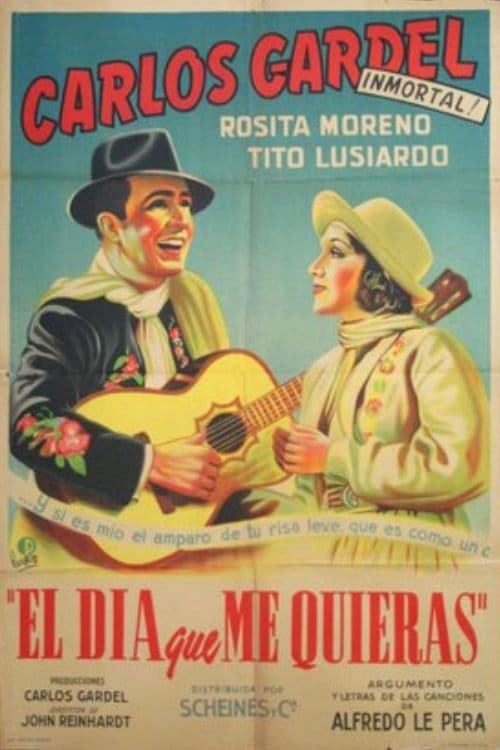
The Day You Love Me
1935
No user ratings available yet
Diversity score: 3.2 out of 10
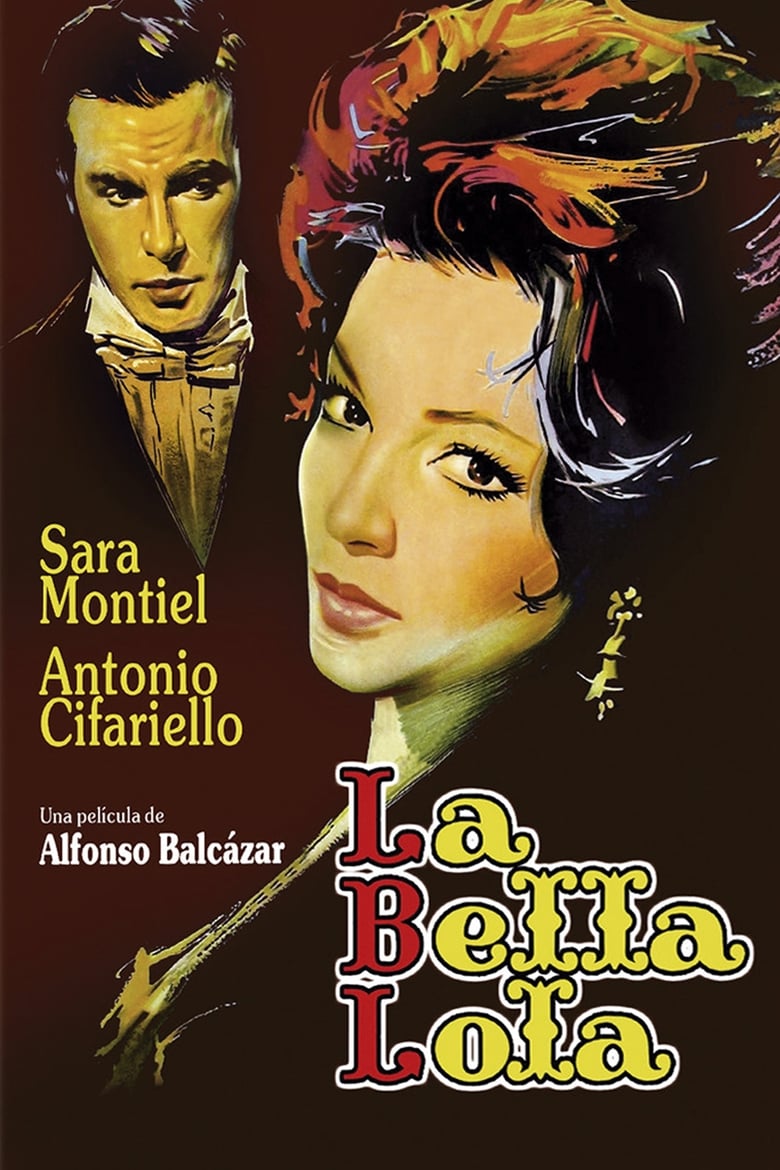
1962
Director
Alfonso Balcázar
Runtime
88 minutes
Average Rating
No ratings yetSynopsis
"La Bella Lola" is a struggling singer trying to make a living for herself and her sister Ana in late 19th Century Spain. Lola is having an affair with Gabriel, a rich and influential older man who gives her jewelry and supports her singing career. Things change rapidly when Lola meets and falls in love with young playboy Javier, although the romance is doomed from the start. Javier belongs to an aristocratic family and has a bright future as a politician.
Overall Score
Limited
Category Breakdown
LGBTQ+ Representation
The film focuses on a conventional romantic triangle involving heterosexual dynamics. There is no evidence of non-cisnormative identities or critiques of heteronormativity.
Gender Representation
Lola demonstrates agency by navigating economic survival and her singing career. However, her autonomy is complicated by a reliance on male figures for financial and romantic stability.
Racial & Ethnic Diversity
The setting and cast appear to reflect a homogeneous European demographic. The narrative prioritizes class distinctions over racial or ethnic intersectionality.
Religious & Cultural Diversity
The plot emphasizes established social hierarchies and romantic destiny. It does not appear to challenge Western institutional norms or systemic oppression.
Disability Representation
There is no mention of characters with visible or invisible disabilities in the narrative.
Strengths
Areas for Improvement
AI Analysis
The film operates as a traditional period melodrama centered on class and romance. While it features a female lead attempting to navigate economic hardship, the story remains deeply rooted in the patriarchal structures of 19th-century Spain. Representation is limited by the era's conventions, focusing on a homogeneous cast and heterosexual romantic tropes. The conflict is driven by individual choices and social standing rather than a critique of systemic issues. Ultimately, the film reinforces existing social hierarchies through its reliance on male patronage and aristocratic influence.
1935
1956

1949

1972

1969
1932
1963
1969
1980
1960
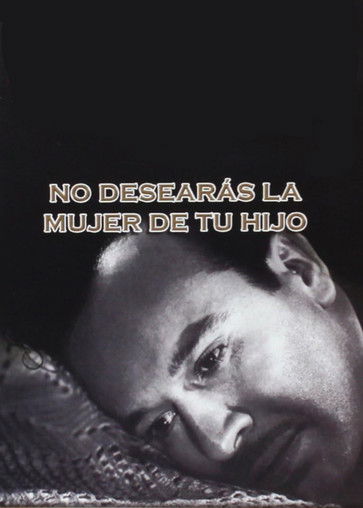
1950
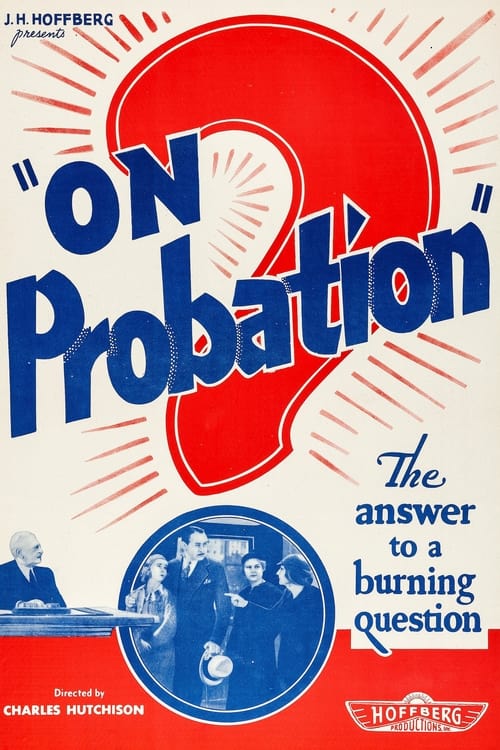
1935
No reviews yet. Be the first to share your thoughts on this movie!
Use the rating form above to leave a star rating and optional review.