La Diana cazadora
1957
No user ratings available yet
Diversity score: 3.8 out of 10
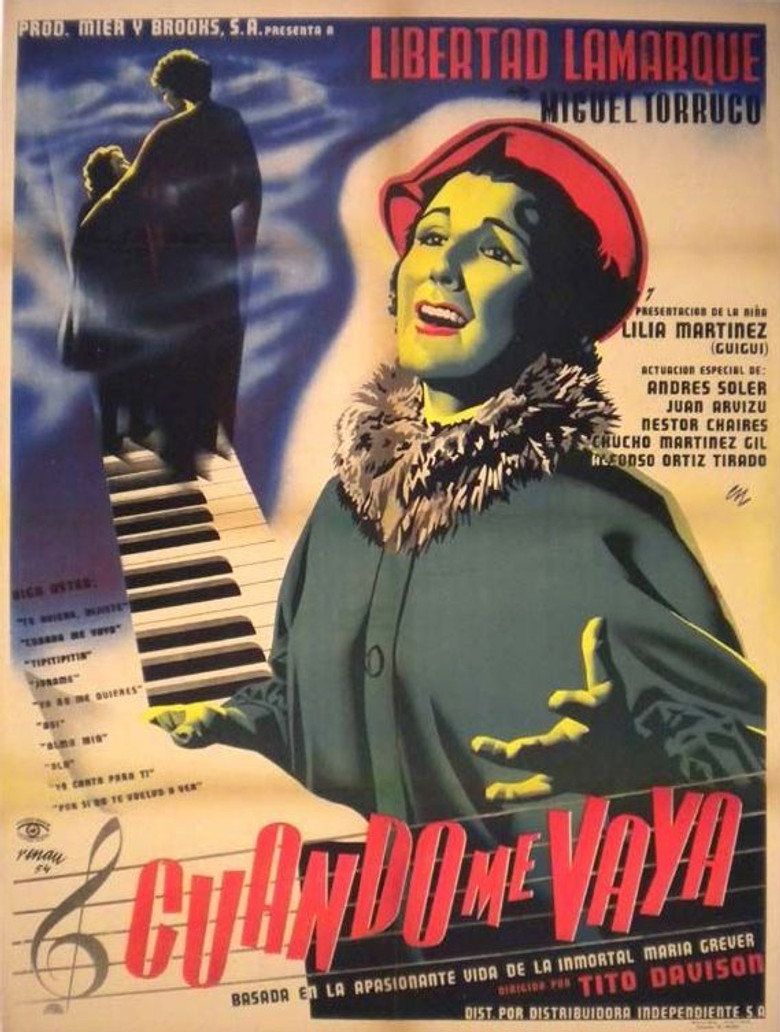
1954
Director
Tito Davison
Runtime
110 minutes
Average Rating
No ratings yetSynopsis
Fictionalized version of the life of songwriter Maria Grever.
Overall Score
Limited
Category Breakdown
LGBTQ+ Representation
The film lacks any documented evidence of non-cisnormative gender identities. It does not offer narratives that critique heteronormativity within its biographical framework.
Gender Representation
A female protagonist is centered within the male-dominated field of songwriting. However, the narrative may frame her success through traditional lenses of romance or personal sacrifice.
Racial & Ethnic Diversity
The film provides visibility for Latin American artistry by centering Mexican composer Maria Grever. It lacks evidence of intersectional depth or the subversion of colonial tropes.
Religious & Cultural Diversity
The story appears to adhere to 1950s cultural norms and individual merit. It lacks themes that would disrupt the traditional social or secular fabric of the period.
Disability Representation
There is no information available regarding the portrayal of physical or neurodivergent characters in this production.
Strengths
Areas for Improvement
AI Analysis
Cuando me vaya functions as a traditional biographical drama following the 'Great Person' model. It focuses on the individual achievements of Maria Grever rather than critiquing the systemic structures of the 1950s. While the film provides essential visibility for a prominent Mexican female composer, it operates within the conventional social and moral parameters of its era. The narrative architecture prioritizes personal struggle over progressive systemic critique. Ultimately, the film serves as a standard mid-century biopic. It celebrates a specific cultural legacy without intentionally deconstructing the social hierarchies of the time.
1957
1954

1960
1958
1963

1948
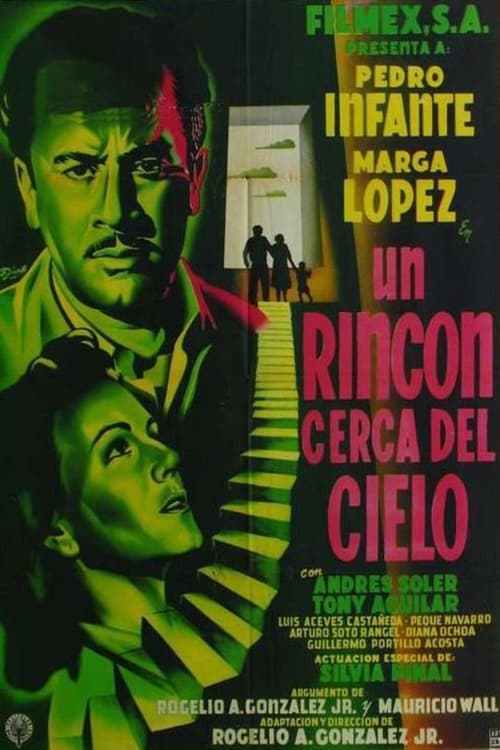
1952
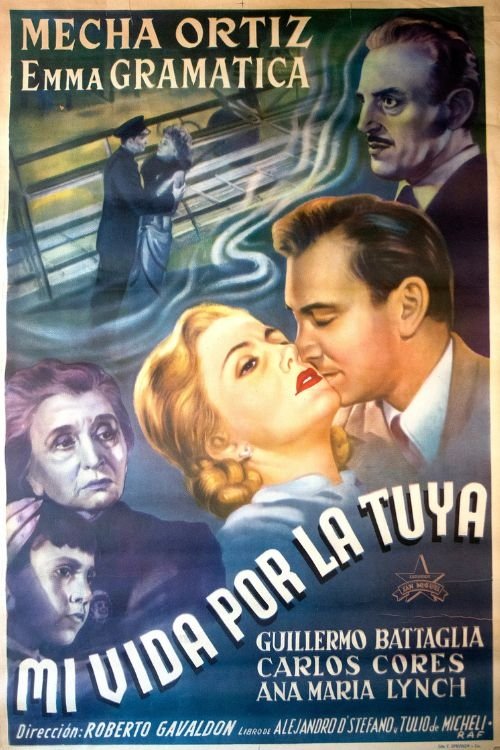
1951
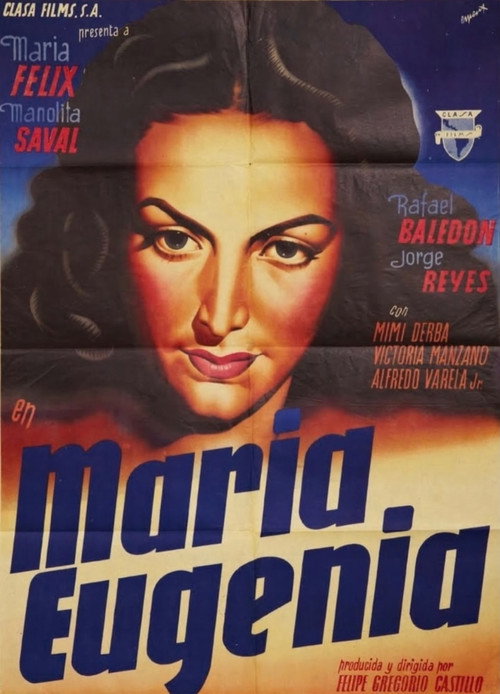
1943

1967
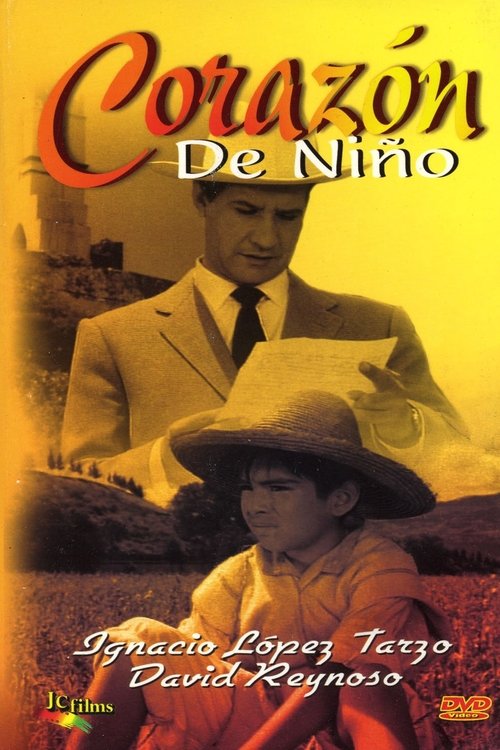
1963
1947
No reviews yet. Be the first to share your thoughts on this movie!
Use the rating form above to leave a star rating and optional review.