The Art of Vision
1965
No user ratings available yet
Representation score: 0.6 out of 10

Representation Score
Good
1978
Director
Stan Brakhage
Runtime
14 minutes
Average Rating
No ratings yetNew Showbiz Analysis
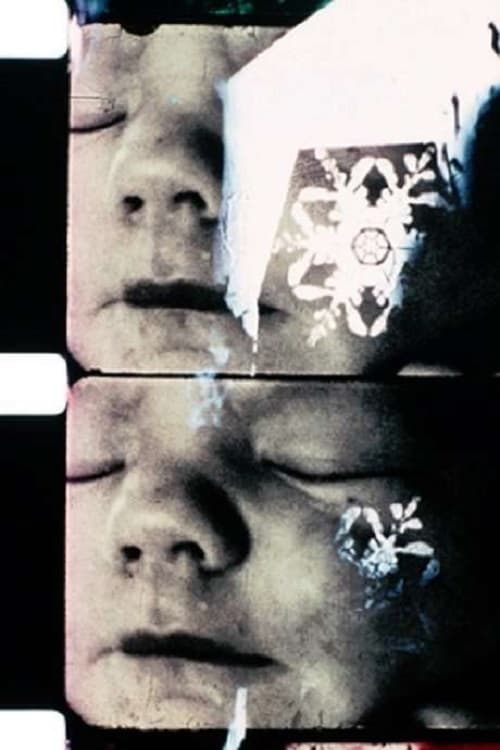
Stan Brakhage’s *Thot-Fal'N* is a radical exploration of subjective experience that prioritizes sensory perception over social identity. It disrupts traditional Western narrative norms and challenges the cognitive frameworks of the viewer. However, the film remains limited by the demographic homogeneity of its era. The cast reflects a specific intellectual circle lacking racial and ethnic diversity, making it a product of its historical context. Ultimately, the film's strength lies in its philosophical defiance. It moves beyond demographic considerations to challenge the very structures of identity and self through its non-linear, non-representational structure.
Category Breakdown
The film includes notable figures like Allen Ginsberg, contributing to a non-straight-centered atmosphere. These icons help create a diverse LGBTQ presence, even though there are no explicit depictions of intimacy or identity politics.
The film presents characters like Jane Brakhage as part of a psychological process, challenging traditional gender roles. However, the lack of defined character's ability to drive the story limits the depth of gender representation.
The cast reflects a relatively homogeneous intellectual environment typical of the 1970s avant-garde. There is no significant racial diversity or intentional subversion of Anglo-Saxon casting patterns.
The work critiques Western institutional logic through an emphasis on unmediated experience. It prioritizes direct experience over structured consciousness demanded by modern society, religion, and the state.
The film explores altered cognitive states, framing non-standard consciousness as a valid artistic subject rather than a pathology.
Present on Screen
Limited or Absent
Official Synopsis
This film describes a psychological state "kin to moonstruck, its images emblems (not quite symbols) of suspension-of-self within consciousness and then that feeling of falling away from conscious thought. The film can only be said to describe or be emblematic of this state because I cannot imagine symbolizing or otherwise representing an equivalent of thoughtlessness itself. Thus the actors in the film, Jane Brakhage, Tom and Gloria Bartek, Williams Burroughs, Allen Ginsberg, Peter Olovsky and Phillip Whalen are figments of this 'Thought-Fallen Process', as are their images in the film to find themselves being photographed."
1965
1983
1976

1991
1991
1967
1966
1972
No reviews yet. Be the first to share your thoughts on this movie!
Use the rating form above to leave a star rating and optional review.