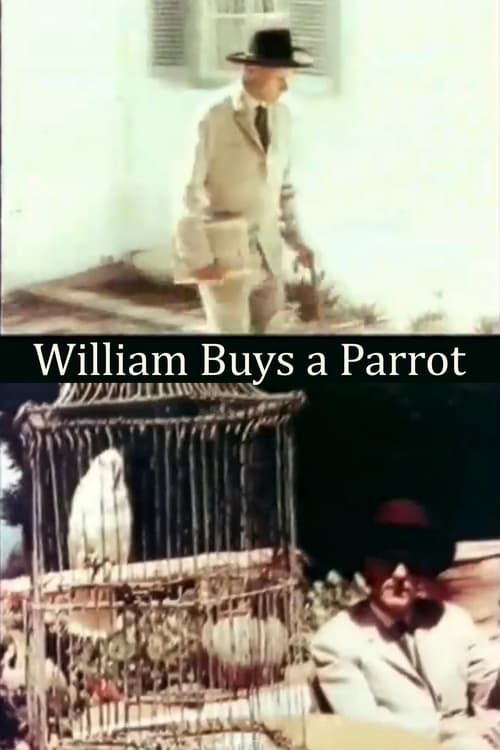
William Buys a Parrot
1963
No user ratings available yet
Representation score: 4.6 out of 10
Representation Score
Fair
1966
Director
Antony Balch
Runtime
19 minutes
Average Rating
No ratings yetNew Showbiz Analysis
Antony Balch’s experimental short is a study in formal disruption rather than broad demographic representation. It succeeds as a cultural artifact by dismantling capitalist narrative structures through its fragmented, non-linear montage. However, the film is limited by its narrow focus. The cast is overwhelmingly white and male, reflecting the specific, localized subculture of the mid-century avant-garde without offering broader representation. Ultimately, the film's strength lies in its radical rejection of organized meaning. It trades traditional inclusivity for a profound subversion of Western cinematic norms and institutional logic.
Category Breakdown
The film presents a surreal depiction of Burroughs and Gysin, avoiding clichés centered around straight relationships. Instead, it uses a queer aesthetic typical of the 1960s avant-garde movement.
The story focuses almost entirely on male characters. While it avoids reinforcing traditional hierarchies, it lacks strong roles for women and diverse gender expressions to balance the male-dominated environment.
The film features a mostly white, Anglo-Saxon cast of intellectuals. It reflects the historically homogeneous demographic of mid-century European and American avant-garde circles.
The work stands out by rejecting conventional Western storytelling methods. Its 'cut-up' technique celebrates anti-institutionalism and the subjective, non-linear experiences of the Beat Generation.
There is insufficient evidence to determine the portrayal of physical or neurodivergent disabilities. The experimental editing style does not provide clear character-based information.
Present on Screen
Limited or Absent
Official Synopsis
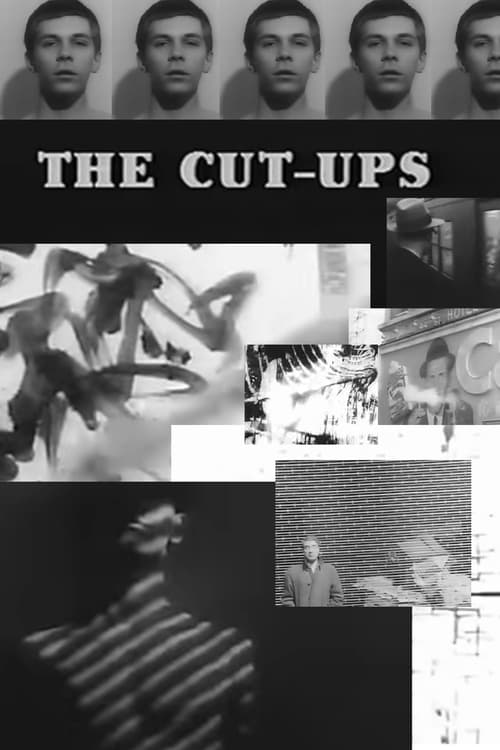
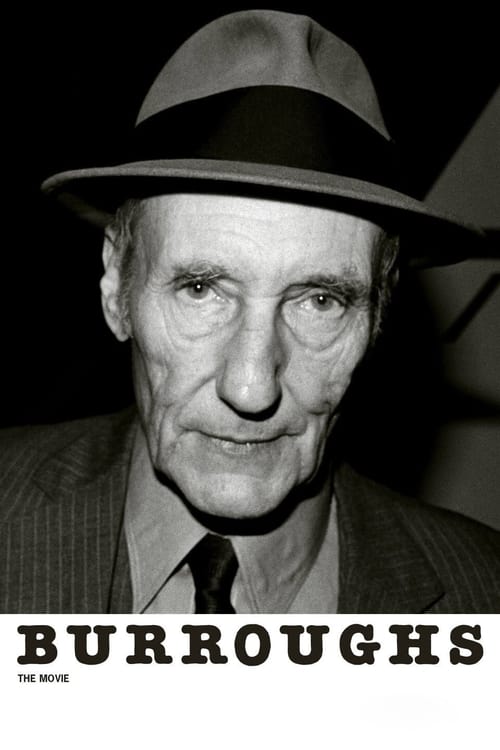
Essentially a dizzying montage of quirky shots of legendary Beat Generation writer William S. Burroughs and noted surrealist artist Brion Gysin, this nearly 20 minute avant-garde short features repeated articulations of such random things as "Hello," "Where are we now?," and "Look at that picture" instead of music or standard dialogue. The narrative is decidedly nonlinear and perplexing, with no discernible plot whatsoever as we see images of Gysin working on his paintings and calligraphic designs and Burroughs rummaging through draws, packing a suitcase, giving a young man a physical, making a call in a phone booth, and waiting on a platform for a subway train.
1963
1983

1983
1984
1986
1990
1963

1978
No reviews yet. Be the first to share your thoughts on this movie!
Use the rating form above to leave a star rating and optional review.