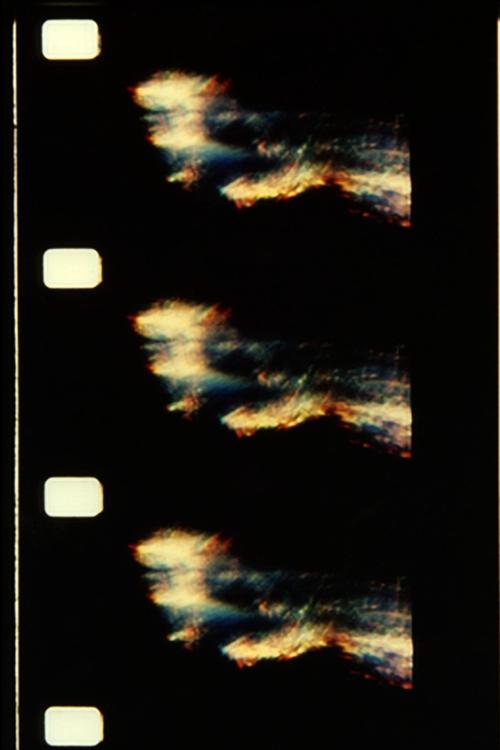
The Text of Light
1974
No user ratings available yet
Representation score: 7.5 out of 10
Representation Score
Good
1991
Director
Stan Brakhage
Runtime
74 minutes
Average Rating
No ratings yetNew Showbiz Analysis
Stan Brakhage’s experimental documentary operates outside the typical boundaries of identity politics. Focusing on landscape, light, and texture rather than human characters, the film lacks the direct representation of underrepresented groups. However, the film’s structure challenges conventional storytelling by presenting a fragmented, sensory-driven experience. This approach disrupts traditional cinematic authority. Ultimately, the work’s strength lies in its abstract, mystical perception rather than in social representation.
Category Breakdown
The film does not include any character-driven stories or conversations related to LGBTQ+ identities. There is no indication of LGBTQ+ presence or specific identity-based storytelling.
By focusing on land, sea, and sky, the film avoids reinforcing traditional gender hierarchies. It steers clear of gender-specific roles and stereotypes.
The film serves as a visual meditation on the British Columbia landscape. It avoids reinforcing racial hierarchies by concentrating on elemental forces rather than human social structures.
The work emphasizes intellectual and spiritual abstraction over Western religious doctrine. It uses poetic inspiration to favor a fluid, impressionistic understanding of reality.
Since there are no human subjects depicted, there is no opportunity to assess disability. The film focuses solely on the phenomena of sight and light.
Present on Screen
Limited or Absent
Official Synopsis
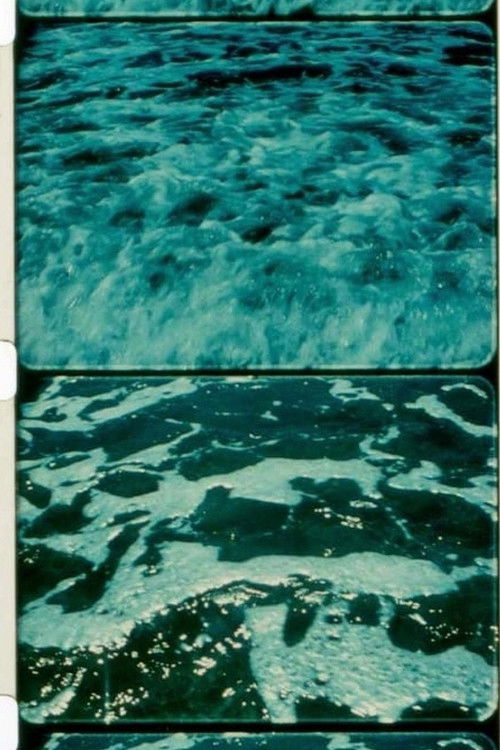
"In his description for A CHILD'S GARDEN, Brakhage quotes from poets Ronald Johnson and Charles Olson (and cites Johnson's poem "Beam 29" as inspiration). But the film also vaguely calls to mind William Blake—more perhaps for his art than his poetry: there is both a sense of darkness and of mystical transport in Brakhage's images. The first film in the loose "Vancouver Island" quartet, Brakhage films locations around the British Columbia locale where his second wife, Marilyn, grew up. He films land, sea, and sky and intercuts frequently between them. Shots are often out-of-focus, to accentuate color and light; they are hand-held, upside down, and fleeting. All of this is no surprise for those who know Brakhage's work: anything and everything is valid, as long as it works." - Cine-File.info
1974
1994
1974

1978
1965
1961
1974
1970
No reviews yet. Be the first to share your thoughts on this movie!
Use the rating form above to leave a star rating and optional review.