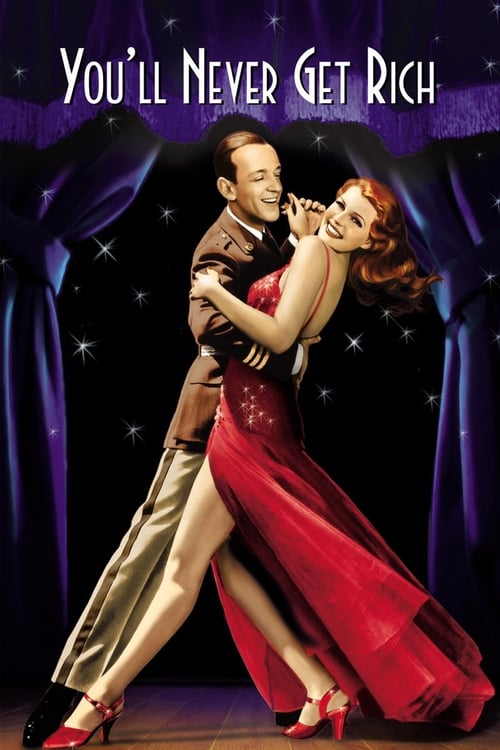
You'll Never Get Rich
1941
No user ratings available yet
Representation score: 0.4 out of 10
Representation Score
Minimal
1947
ApprovedDirector
Richard Whorf
Runtime
105 minutes
Average Rating
No ratings yetNew Showbiz Analysis
This musical comedy is a classic product of the 1947 Hollywood studio system, emphasizing escapism and traditional romance. The narrative structure reinforces the social and cultural norms of its time without challenging them. The film closely aligns with the demographic and moral standards of the mid-20th century. It centers on professional success and romantic fulfillment within a stable, post-war urban context. While a well-executed genre piece, the film does not intentionally address diverse representation. It presents a homogeneous cast and traditional social structures.
Category Breakdown
The film adheres to traditional heterosexual relationships, focusing on the romantic pursuit between the protagonist and the female lead. There is no representation of LGBTQ+ identities or non-cisgender individuals.
The film follows traditional gender roles from the 1940s. The female lead actively participates in the romantic storyline, but the narrative adheres to established gender norms and domestic aspirations.
The cast is primarily composed of white actors, reflecting the homogeneity typical of post-war films. The Brooklyn setting lacks diverse representation, reinforcing a predominantly white perspective.
The story upholds Western values such as individual achievement and professional success. It operates within a traditional moral framework without challenging Western social structures.
Characters are shown with typical physical and cognitive abilities. There is no depiction of visible or invisible disabilities in the story.
Present on Screen
Limited or Absent
Official Synopsis
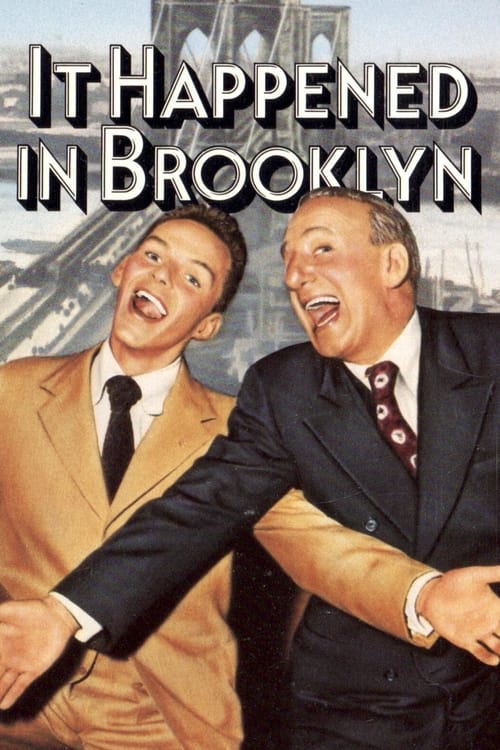
Danny has been in the army for 4 years, yet all he thinks about is Brooklyn and how great it is. When he returns after the war, he soon finds that Brooklyn is not so nice after all. He is able to share a place with Nick, the janitor of his old High School, and get a job as a singer in a music store. He also meets Leo, a talented pianist and his teacher Anne, whose dream is to singing Opera. When Jamie arrives from England, Danny tries to show him the Brooklyn experience and help him compose modern swing music. Together, these four also try to help Leo get the Brooklyn Music scholarship.
1941
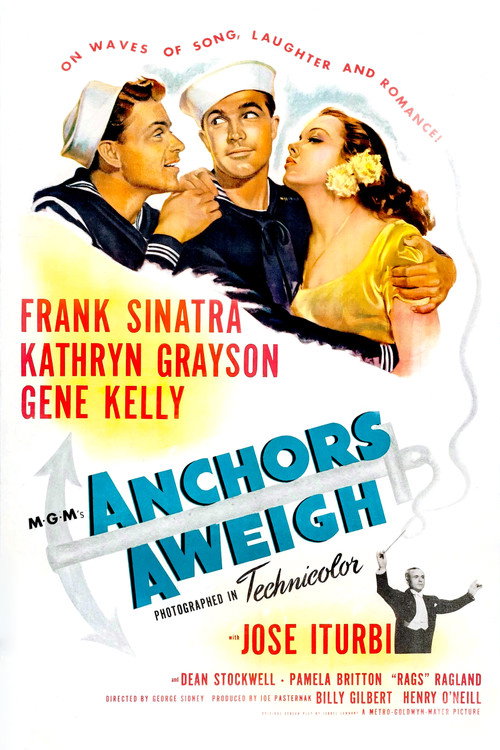
1945
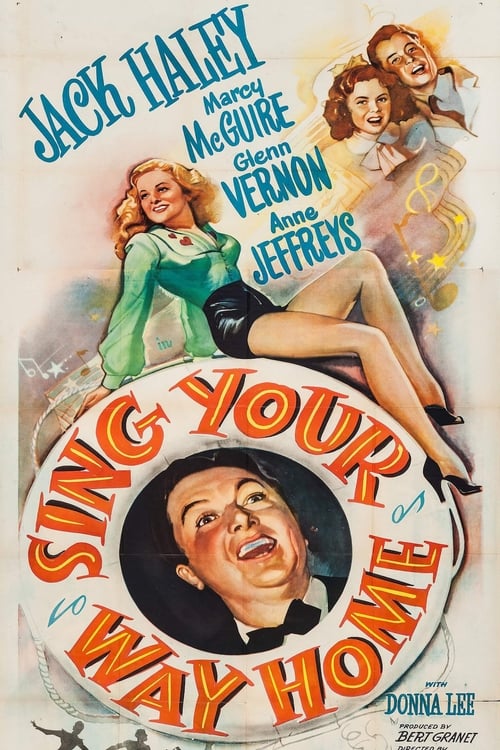
1945
1954
1940
1951
1943
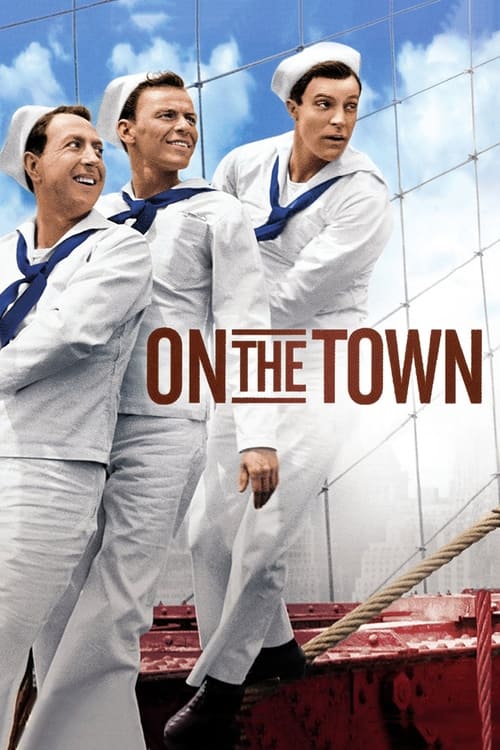
1949
No reviews yet. Be the first to share your thoughts on this movie!
Use the rating form above to leave a star rating and optional review.