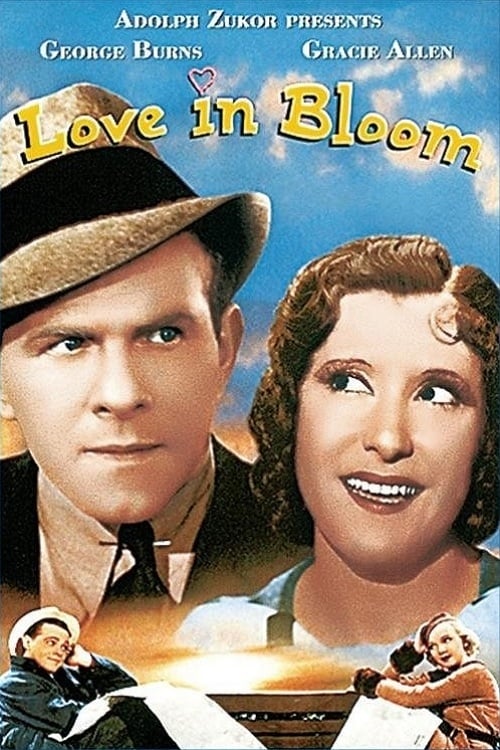
Love in Bloom
1935
No user ratings available yet
Representation score: 2.1 out of 10
Representation Score
Minimal
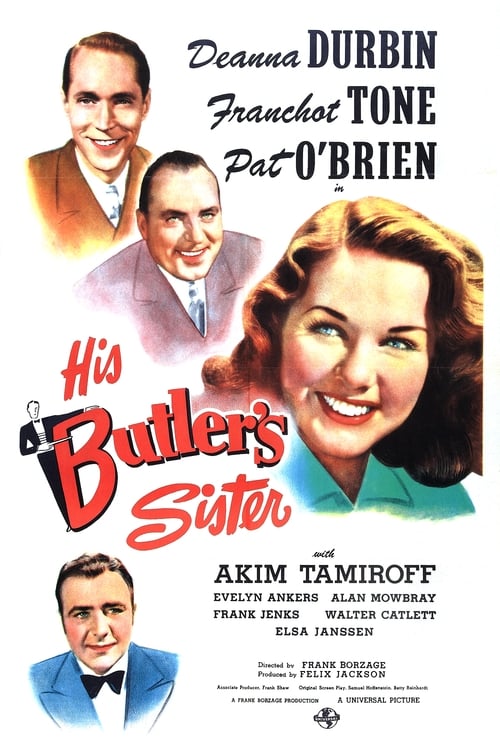
1943
ApprovedDirector
Frank Borzage
Runtime
87 minutes
Average Rating
No ratings yetNew Showbiz Analysis
His Butler's Sister is a quintessential product of the 1940s studio system, prioritizing romantic idealism over social complexity. The film relies heavily on established clichés and traditional romanticism, offering a narrative that mirrors the era's status quo rather than challenging it. The production is characterized by significant homogeneity. From the predominantly white cast to the lack of any LGBTQ+ or disability representation, the film maintains a narrow, conventional perspective that avoids multi-layered storytelling. While the female lead provides the emotional engine, the film ultimately reinforces patriarchal norms and Western social structures. It functions as a period piece that upholds the social and moral consensus of its time.
Category Breakdown
The film operates within a framework that assumes everyone is straight or cisgender. There are no depictions of LGBTQ+ identities or queer romantic dynamics.
Ann Carter drives the emotional core through her aspirations, yet her role is centered around relationships with men. The story reinforces mid-century gender hierarchies and emotional labor.
The cast is predominantly white, reflecting the era's systemic homogeneity. The setting lacks a diverse demographic tapestry or characters of color with significant roles.
The narrative promotes traditional values like loyalty and romantic sacrifice. It reinforces the prevailing social and moral consensus of the early 1940s without critique.
No visible or invisible disabilities are integrated into the character arcs. Characters are presented through a lens of physical and neurotypical normalcy.
Present on Screen
Limited or Absent
Official Synopsis
Aspiring singer Ann Carter visits her stepbrother in New York, hoping to make it on Broadway.
1935
1948
1943

1953

1932

1937

1941

1940
No reviews yet. Be the first to share your thoughts on this movie!
Use the rating form above to leave a star rating and optional review.