
On Our Merry Way
1948
No user ratings available yet
Representation score: 2.7 out of 10
Representation Score
Minimal
1953
ApprovedDirector
Richard Sale
Runtime
92 minutes
Average Rating
No ratings yetNew Showbiz Analysis
The film is a classic mid-century domestic comedy that upholds established social norms. It focuses on romantic courtship and restoring a conventional family unit through traditional archetypes. While Jeannie Laird is depicted as a successful, independent professional, the narrative ultimately prioritizes domestic integration. The story lacks complexity in reflecting diverse identities and lifestyles, focusing instead on a singular moral framework centered on social decorum and honesty. Overall, the production reflects the era's homogeneous casting and straight-centered structures, providing limited representation for diverse identities.
Category Breakdown
The film does not include any LGBTQ+ characters or themes. It operates within a framework that assumes everyone is straight and cisgender.
Jeannie Laird is shown as a successful professional who plays a significant role in the story. However, the story primarily focuses on her integration into a traditional domestic unit. Masculinity is defined by paternal responsibility and the provider role.
The film lacks significant racial or ethnic diversity. The setting reflects a homogeneous social environment typical of 1950s cinema.
The narrative emphasizes traditional Western social institutions and the stability of the nuclear family. It celebrates professional success and conventional family formation.
No visible or invisible disabilities are portrayed within the main character arcs. The narrative does not address neurodivergence or physical impairments.
Present on Screen
Limited or Absent
Official Synopsis
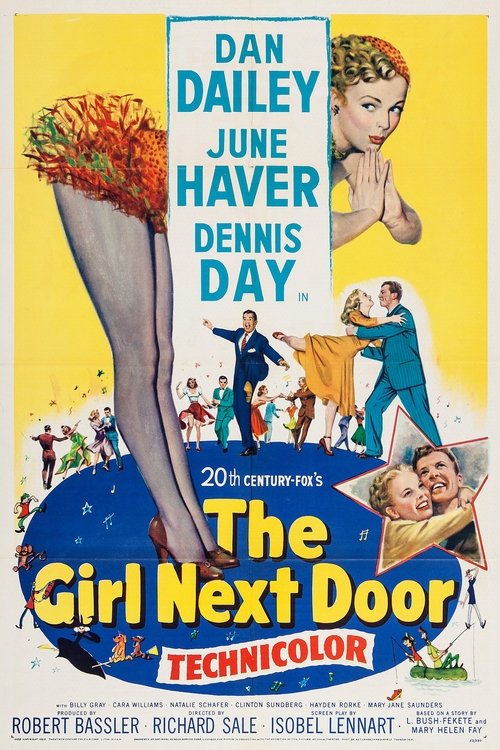
Stage-and-night club star Jeannie Laird buys her first home, and everyone who is anyone comes to her first garden party only to be blinded by smoke from next door. Jeannie charges next door to bawl out her new neighbor and meets comic-strip artist Bill Carter. Bill has devoted himself to his strip, and raising his ten-year-old son Joe since the death of his wife. Joe bases his strip on the everyday happenings of he and his son and is proud of keeping it scrupulously honest. When Jeannie and Bill fall in love, young Joe is hurt, especially when Bill starts using a lot of the father-son time to be with Jeannie. Bill cancels a father-son trip to Canada, and Joe decides to write a letter to Bill's syndicate pointing out that the current plot line of the script being set in Canada isn't honest, since they didn't go.
1948
1954
1953
1958
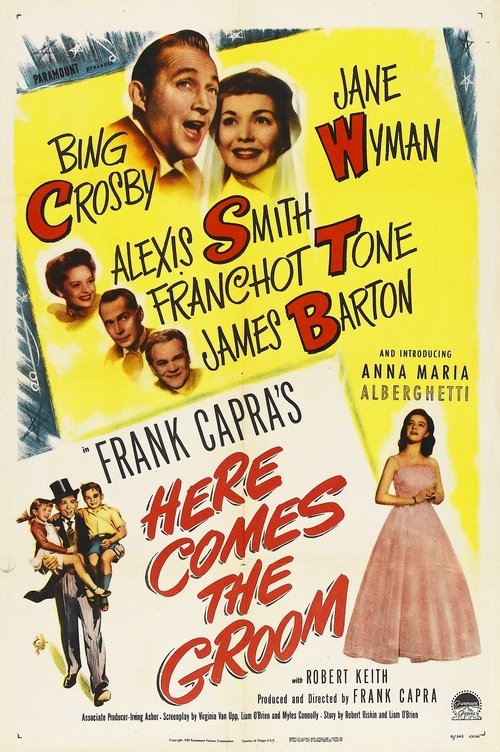
1951
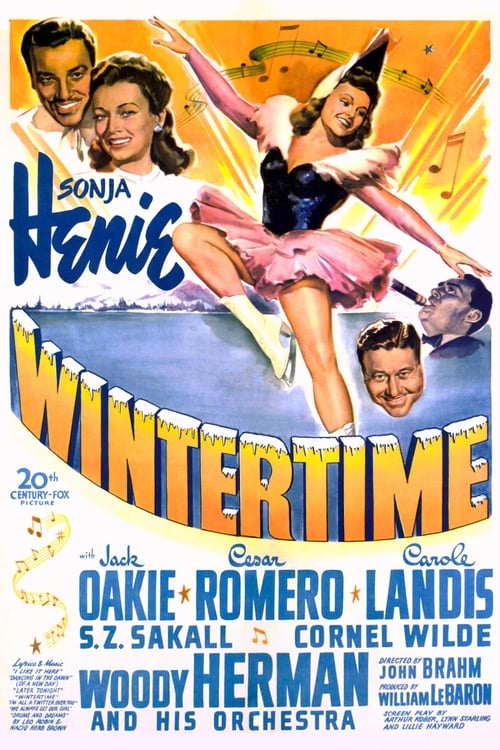
1943
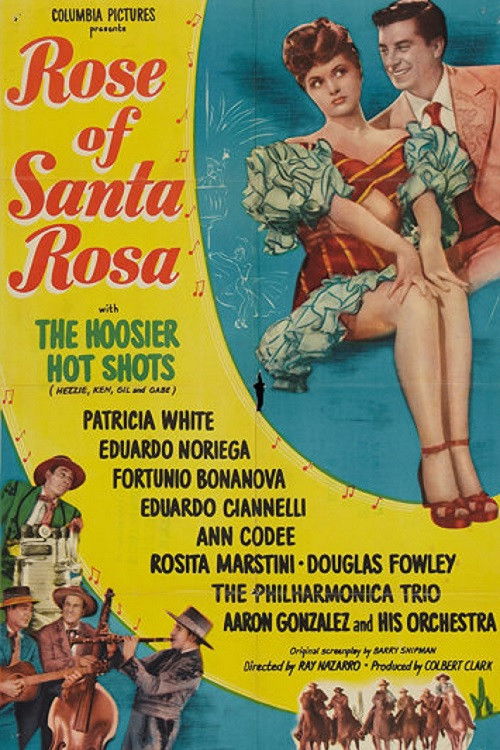
1947
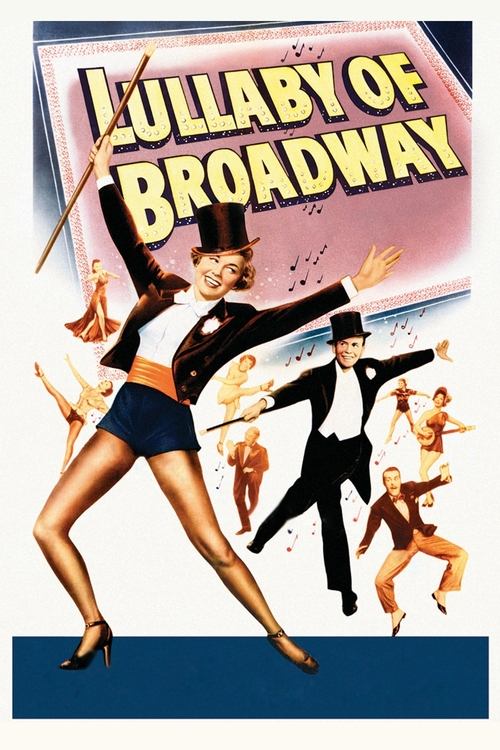
1951
No reviews yet. Be the first to share your thoughts on this movie!
Use the rating form above to leave a star rating and optional review.