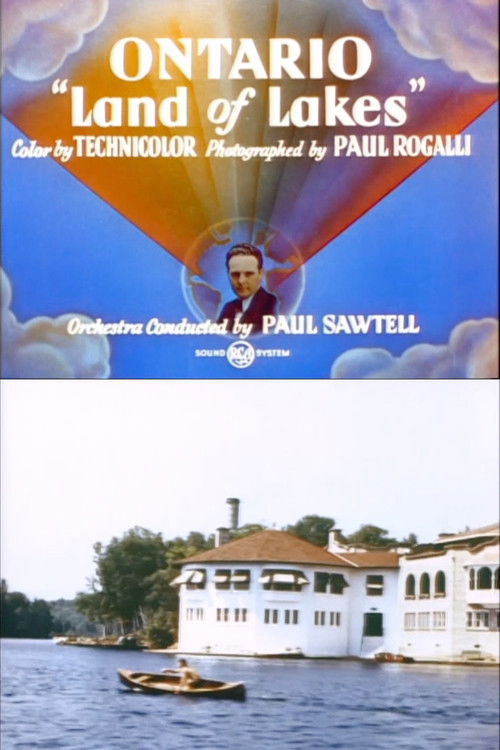
Ontario: 'Land of Lakes'
1949
No user ratings available yet
Representation score: 0.5 out of 10
Representation Score
Minimal
1949
ApprovedRuntime
10 minutes
Average Rating
No ratings yetNew Showbiz Analysis
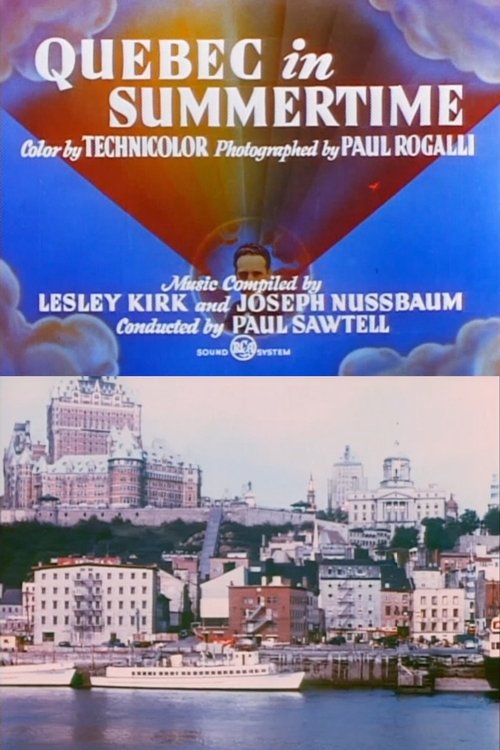
Quebec in Summertime operates as a mid-century travelogue, focusing on scenic vistas and historical landmarks rather than character-driven narratives. Its observational style centers on the architectural legacy of 'New France,' resulting in a narrow demographic scope. The film reflects the social frameworks of 1949, emphasizing historical continuity and traditional cultural stability. Since it serves as a celebratory survey of established landmarks, it lacks the diverse representation or social critique found in modern media. Ultimately, the work presents a homogeneous view of Quebec that reinforces post-war social norms without challenging them.
Category Breakdown
The film does not include any LGBTQ+ characters or narratives, sticking to traditional social landscapes.
Women are shown in traditional roles typical of 1940s ethnographic shots, reinforcing the period's stable, traditional social order.
The documentary focuses on French-Canadian heritage and Francophone culture, lacking non-white or multi-ethnic perspectives and presenting a largely homogeneous ethnic group.
The narrative celebrates historical heritage and the legacy of 'New France,' emphasizing cultural stability and traditional appreciation of regional identity.
There is no portrayal of individuals with disabilities having ability to act. No characters with visible or invisible disabilities are central to the film.
Present on Screen
Limited or Absent
Official Synopsis
This Traveltalk series short takes the viewer to Quebec, the city that was called the "New France".
1949
1937
1940
1942
1951
1952
1950
1941
No reviews yet. Be the first to share your thoughts on this movie!
Use the rating form above to leave a star rating and optional review.