Colorful Holland
1950
No user ratings available yet
No diversity score available
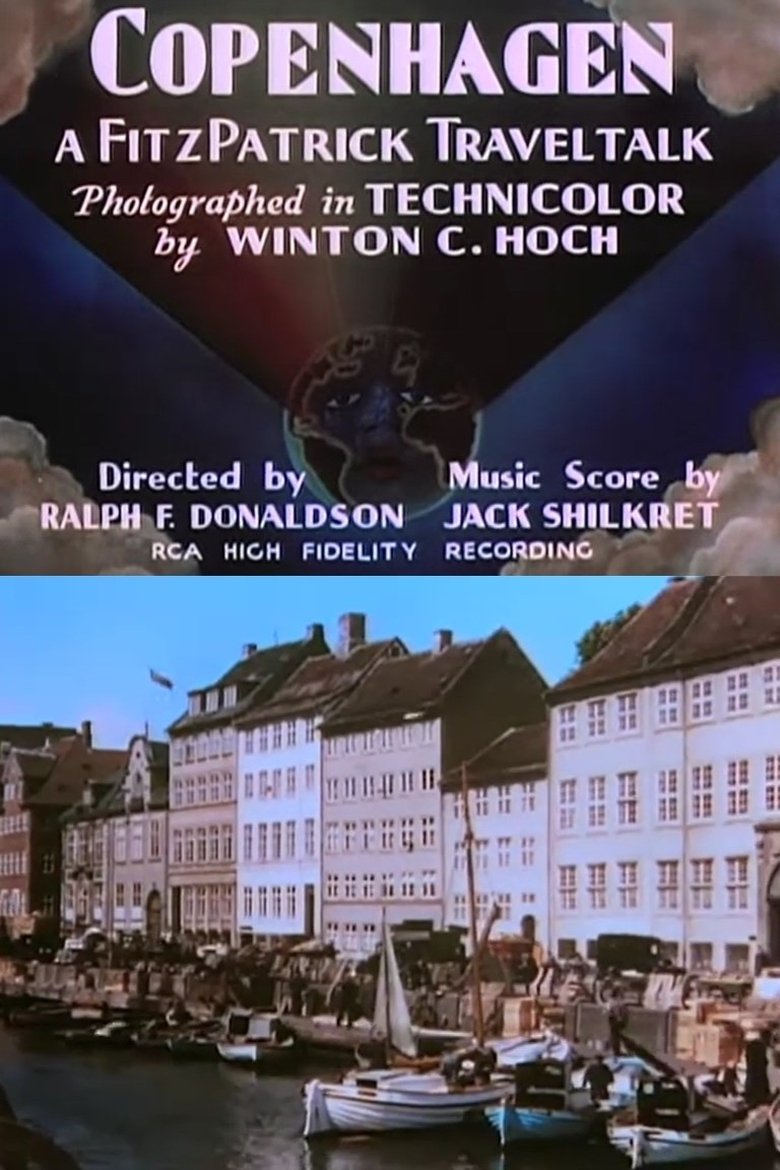
1937
ApprovedDirector
Ralph Donaldson
Runtime
9 minutes
Average Rating
No ratings yetSynopsis
This Traveltalk series short visits Copenhagen.
Overall Score
Limited
Category Breakdown
LGBTQ+ Representation
The film lacks any evidence of LGBTQ+ characters or non-cisnormative identities. It functions as a standard observational record of a geographic location.
Gender Representation
The production reflects the traditionalist lens of 1937. It lacks depictions of women in roles of high agency or the subversion of masculine leadership.
Racial & Ethnic Diversity
The visual content reflects the demographic homogeneity of the period. There is no indication of a non-Anglo-Saxon majority cast.
Religious & Cultural Diversity
The film celebrates the aesthetics of a Western capital through a traditionalist medium. It follows conventional documentary standards rather than prioritizing secularism.
Disability Representation
There is no evidence of characters with visible or invisible disabilities. The film does not depict neurodivergence or chronic illness.
Strengths
Areas for Improvement
AI Analysis
This 1937 Traveltalk short serves as a historical observational record rather than a narrative designed to challenge social hierarchies. As a product of its era, the documentary focuses on the geography and customs of Copenhagen through a conventional lens. The film's lack of diversity is a reflection of its time and genre. It adheres to the demographic and social norms of the 1930s, offering a standard depiction of a Western capital without intentional intersectional storytelling. Consequently, the work lacks representation for marginalized groups, including LGBTQ+ individuals and people with disabilities, focusing instead on the existing social landscape of the period.
1950
1951
1949

1935

1943
1896
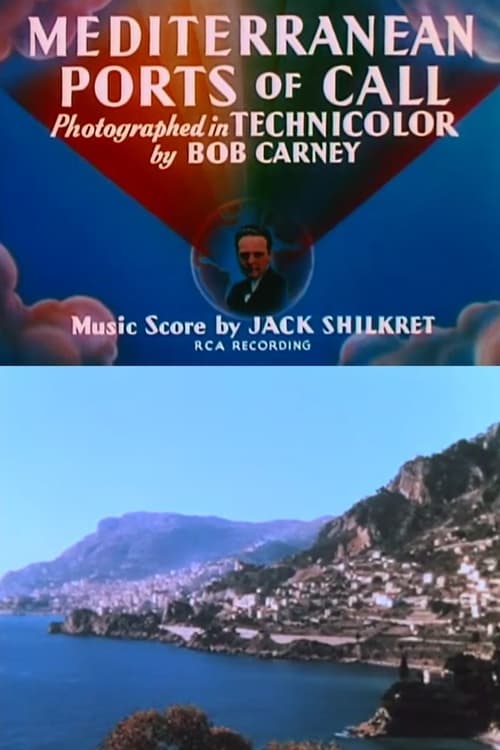
1941
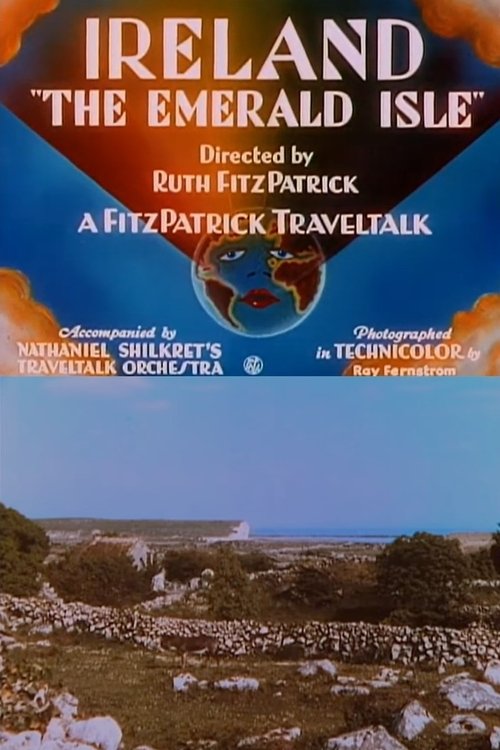
1934
1951
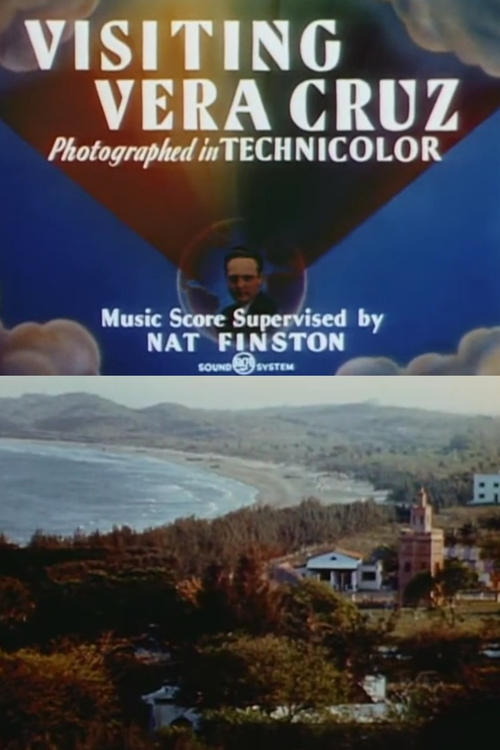
1946
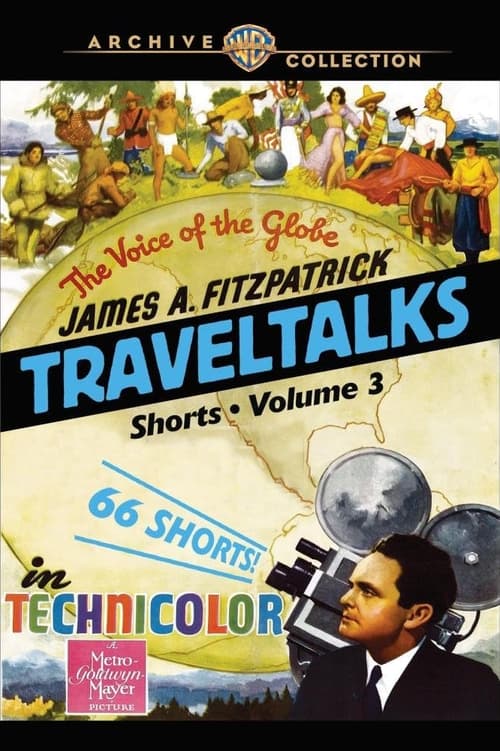
1949
1937
No reviews yet. Be the first to share your thoughts on this movie!
Use the rating form above to leave a star rating and optional review.