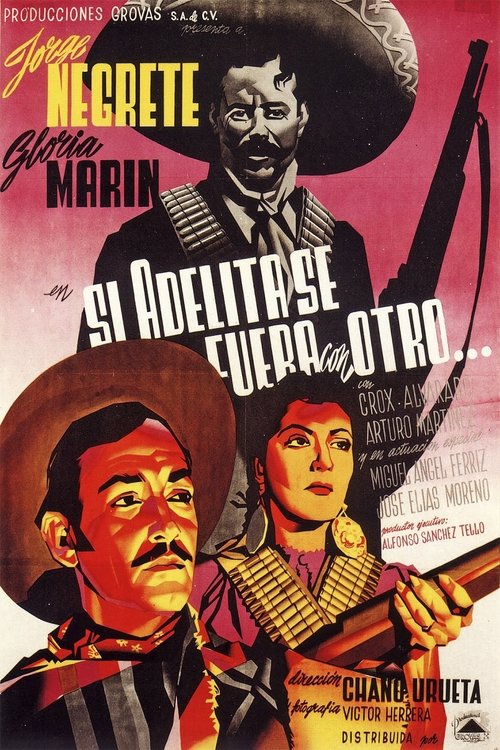
Si Adelita se fuera con otro
1948
No user ratings available yet
Representation score: 3.5 out of 10
Representation Score
Limited
1969
Director
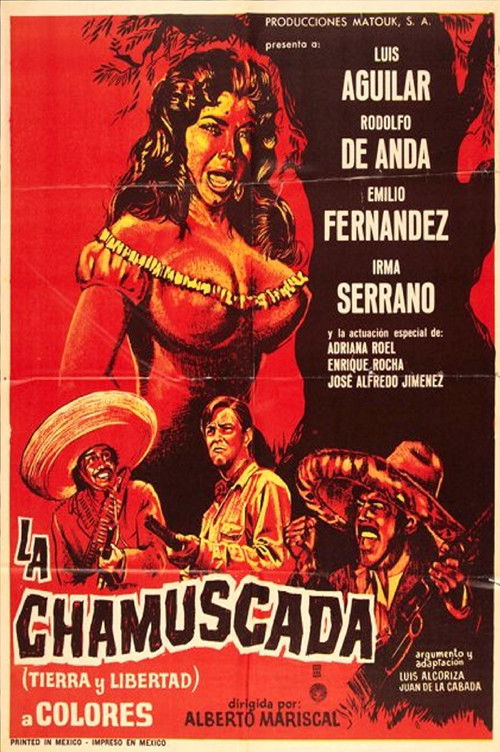
Alberto Mariscal
Runtime
90 minutes
Average Rating
No ratings yetNew Showbiz Analysis
La Chamuscada subverts the Eurocentric Western tradition by centering the Mexican Revolution and the sharecropper class. This shifts the focus away from white-dominated narratives to authentic ethnic ability to act. While the film offers rich cultural and racial diversity, it adheres to traditional gender stereotypes. The narrative focuses on masculine combat, limiting opportunities for challenging traditional gender hierarchies. Overall, the film's strength lies in its critique of class and land ownership. It effectively frames historical violence as a fight for justice against oppressive systems.
Category Breakdown
The film follows traditional structures that assume everyone is straight and cisgender. There is no indication of non-binary gender identities or same-sex relationships.
The story emphasizes masculine-coded revolutionary struggles over women's roles. Despite having a central female character, the characters mostly follow traditional social roles.
The film stands out by featuring a majority Mexican cast. By highlighting the sharecroppers' struggle, it challenges the dominance of white-centric narratives.
The story addresses anti-establishment themes through the 'Land and Liberty' slogan. It portrays revolutionary violence as a response to institutional oppression.
There is no significant depiction of physical or neurodivergent disabilities in the film.
Present on Screen
Limited or Absent
Official Synopsis
A sharecropper and his daughter, a swarthy beauty, flee from the hacienda on which they live and join the Mexican Revolution.
1948

2005
1961
1977
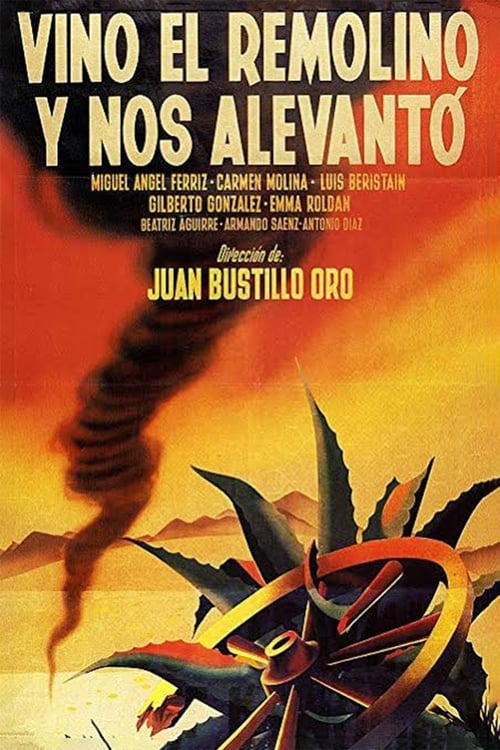
1950
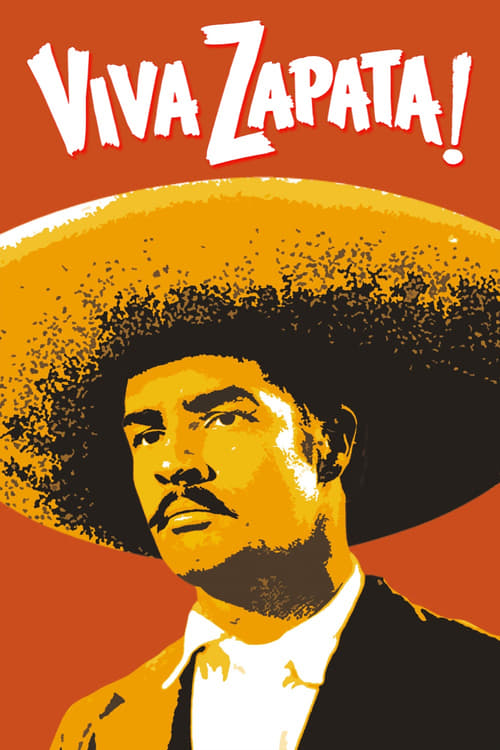
1952
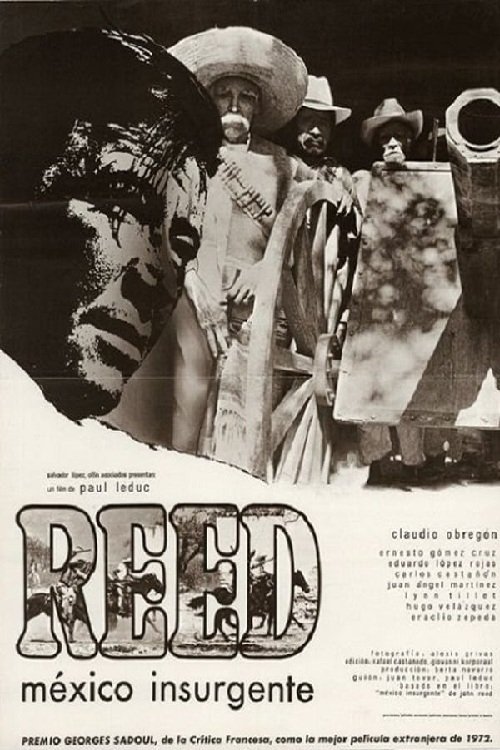
1972
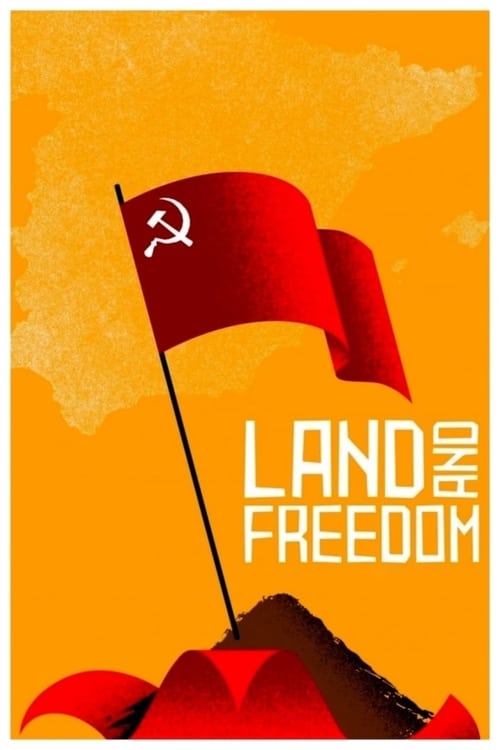
1995
No reviews yet. Be the first to share your thoughts on this movie!
Use the rating form above to leave a star rating and optional review.