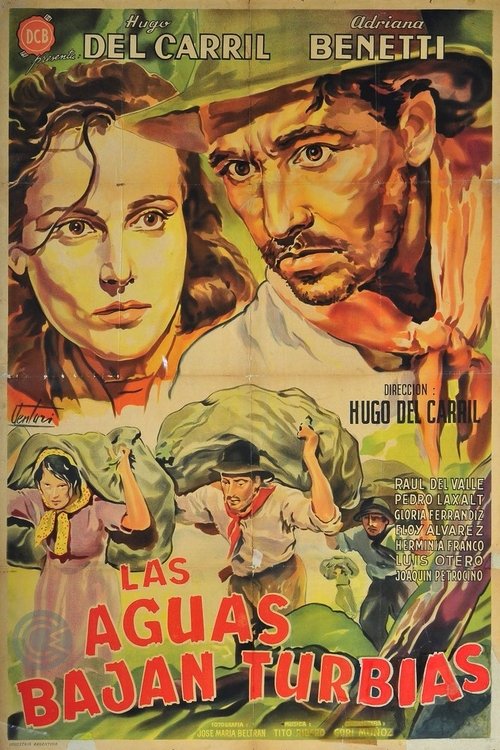
Dark River
1952
No user ratings available yet
Representation score: 2.9 out of 10

Representation Score
Limited
1973
Director
Leonardo Favio
Runtime
99 minutes
Average Rating
No ratings yetNew Showbiz Analysis
Juan Moreira is a powerful exploration of class struggles. It challenges the idea of law-abiding citizens by presenting vigilantism as a response to corruption. The film effectively highlights the conflict between rural workers and the oppressive state machinery. While it doesn't include LGBTQ+ or non-traditional gender narratives, the film uses post-colonial themes to explore ethnic and class-based marginalization, emphasizing the struggle of the underprivileged against centralized authority.
Category Breakdown
The film stays within a traditional 19th-century rural setting. There are no representations of non-straight or non-cisgender identities.
The film follows traditional gender roles. Women play important roles but are mostly defined by their domestic lives and relationships to the male lead.
The film showcases the Argentine peasantry and gaucho identity, highlighting the tension between rural life and a Eurocentric state.
The story critiques traditional Western institutions and corrupt political elites. It portrays the protagonist's rebellion as a justified response to systemic injustices and capitalism.
There are no prominent characters with visible or invisible disabilities that significantly impact the story.
Present on Screen
Limited or Absent
Official Synopsis
In the late nineteenth century, the mule driver Juan Moreira is a good gaucho and worker who, like many others, is subjected to abuse and humiliation by the powerful, either the police or landowners.
1952

1964
2020
1980

1968
1952
1975
1956
No reviews yet. Be the first to share your thoughts on this movie!
Use the rating form above to leave a star rating and optional review.