Crime Control
1941
No user ratings available yet
Representation score: 1.1 out of 10
Representation Score
Minimal
1942
NRDirector
Leslie M. Roush
Runtime
9 minutes
Average Rating
No ratings yetNew Showbiz Analysis
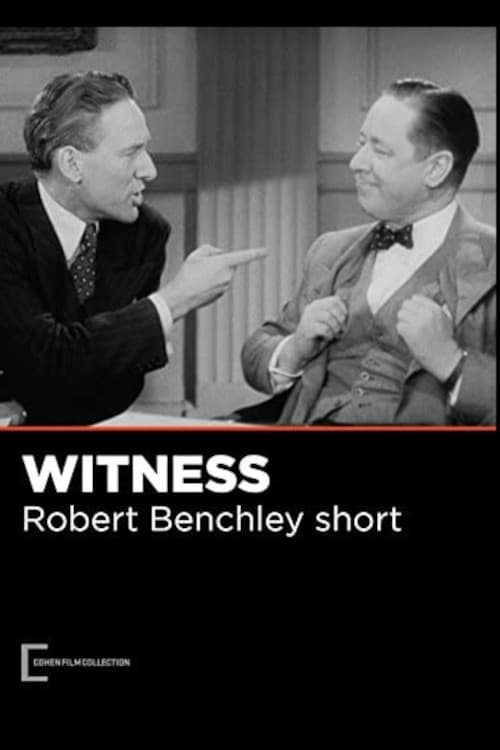
The Witness is a mid-century comedy that prioritizes thematic subversion over social representation. Its primary interest lies in the psychological friction between an individual and state authority, explored through a dream-sequence structure. While the film offers a critique of institutional power, it lacks significant depth in addressing issues related to race, gender, or orientation. The narrative remains rooted in a conventional domesticity that does not challenge traditional social hierarchies. Ultimately, the film's progressive value is found in its individualistic skepticism rather than its demographic diversity.
Category Breakdown
The film does not depict any non-binary or same-sex relationships. It focuses solely on the interactions between a husband, wife, and state institutions.
A wife initiates dialogue, which suggests a typical mid-century household dynamic. However, there is no clear evidence of the wife having significant control over the story's progression.
The story centers on a conventional domestic setting. There is no indication of a diverse cast or the inclusion of non-Anglo-Saxon ethnic perspectives.
The film explores skepticism towards centralized power. By portraying a government committee as a source of disturbance, it challenges conventional expectations of patriotism and respect for state authority.
There is no information available regarding the portrayal of physical disabilities or neurodivergence within this work.
Present on Screen
Limited or Absent
Official Synopsis
As Joe Doakes is reading the newspaper, he begins to talk to himself. Questioned by his wife, he explains that he is disturbed by the paper's account of the ways that a government investigative committee has been interrogating its witnesses. Joe then nods off, and imagines that he is being questioned by the committee. He envisages how satisfying it would be to turn the tables on the investigators.
1941

1949
1943
1948
1932
1942
1944

1951
No reviews yet. Be the first to share your thoughts on this movie!
Use the rating form above to leave a star rating and optional review.