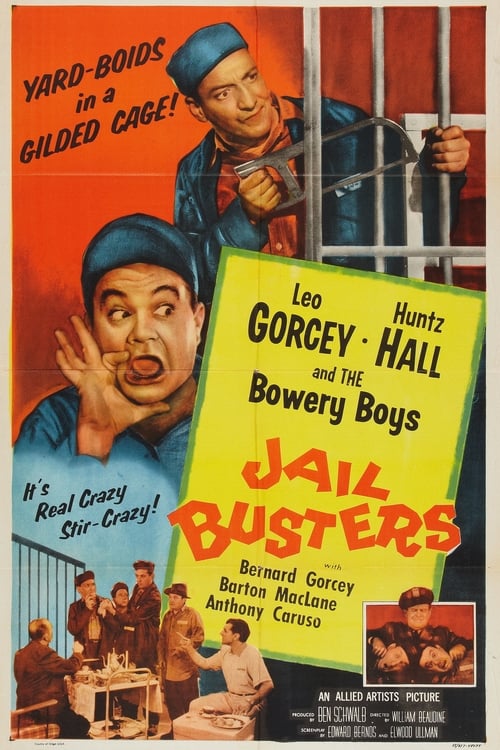
Jail Busters
1955
No user ratings available yet
Representation score: 2.6 out of 10
No Poster Available
Representation Score
Minimal
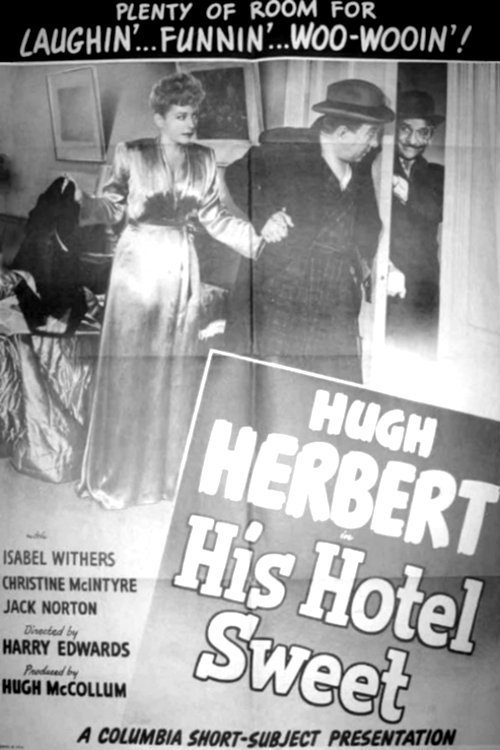
1944
ApprovedDirector
Harry Edwards
Runtime
18 minutes
Average Rating
No ratings yetNew Showbiz Analysis
Heather and Yon functions as a conventional mid-century genre piece. The narrative structure adheres to the established social and demographic hierarchies of the 1940s, offering little in the way of multi-layered complexity. The plot is driven by male-centric investigative clichés, focusing on a protagonist attempting to expose a killer from a jailhouse setting. This structure reinforces traditional social orders rather than disrupting them. Overall, the film lacks the progressive representation or subversion of norms required for a higher diversity score, reflecting the standard studio system of its era.
Category Breakdown
The film does not include any LGBTQ+ characters or storylines. The plot revolves around a crime-solving dynamic between male acquaintances, following the typical social norms of 1940s cinema.
Women play supporting roles, while the main narrative is driven by male characters such as Andy and a reporter. Despite the title suggesting a female presence, the story focuses on male-led investigations.
The film likely reflects the demographic norms of 1944, featuring a predominantly white cast. There is no indication of diverse character's ability to drive the story or actors portraying characters from different racial backgrounds.
The story follows a standard investigative cliché that upholds traditional notions of justice. It lacks anti-institutional sentiment, focusing instead on working through the legal system.
No characters with physical or neurodivergent disabilities are featured. An injury is mentioned, but it serves as a plot catalyst rather than a study of disability.
Present on Screen
Limited or Absent
Official Synopsis
Andy helps his newspaper reporter friend get the goods on a killer, but when the friend gets injured and can't continue the job, Andy confesses to the murder and tries to expose the killer. while in the jailhouse.
1955
1942
1943
1937
1944
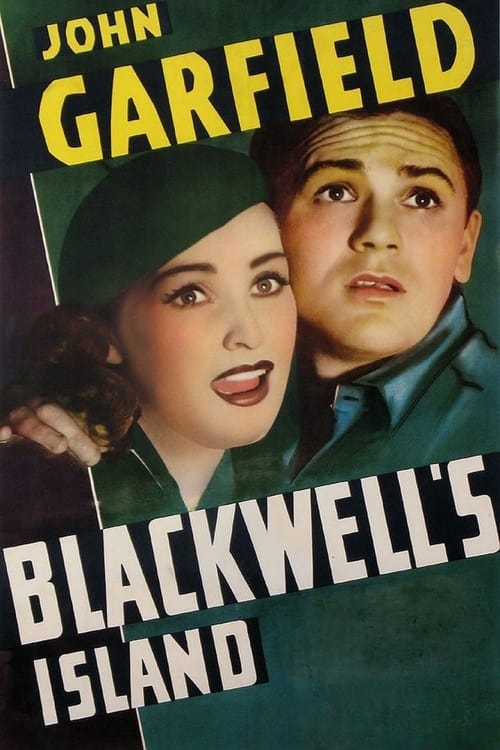
1939
1944

1950
No reviews yet. Be the first to share your thoughts on this movie!
Use the rating form above to leave a star rating and optional review.