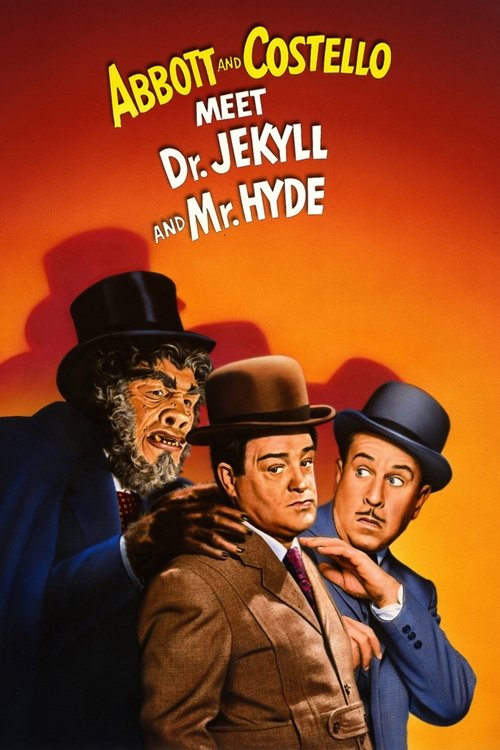
Abbott and Costello Meet Dr. Jekyll and Mr. Hyde
1953
No user ratings available yet
Representation score: 1.7 out of 10
Representation Score
Minimal
1951
ApprovedDirector
Charles Lamont
Runtime
83 minutes
Average Rating
No ratings yetNew Showbiz Analysis
This 1951 comedy is typical of its time, emphasizing slapstick humor and traditional comedic structures. The narrative revolves around the Abbott and Costello duo, limiting opportunities for diverse perspectives. The film adheres to the social norms and demographics of the early 1950s, lacking intentional efforts to include a variety of backgrounds and identities. It reinforces existing social hierarchies rather than challenging them. Overall, the film serves as pure entertainment, reinforcing the social norms of its era without addressing underrepresented identities or diverse experiences.
Category Breakdown
The film focuses solely on the heterosexual Abbott and Costello duo. There are no representations of LGBTQ+ identities or same-sex relationships.
The story centers around the male duo, with female characters having minimal impact on the plot and serving mostly as supporting roles.
The cast is predominantly white, reflecting the demographics of 1950s Hollywood. There is a lack of significant racial or ethnic diversity.
The film avoids any critique of Western institutions, focusing instead on light-hearted, physical humor.
Physical disabilities are used as a plot device for comedy, without exploring the lived experiences of those with disabilities.
Present on Screen
Limited or Absent
Official Synopsis
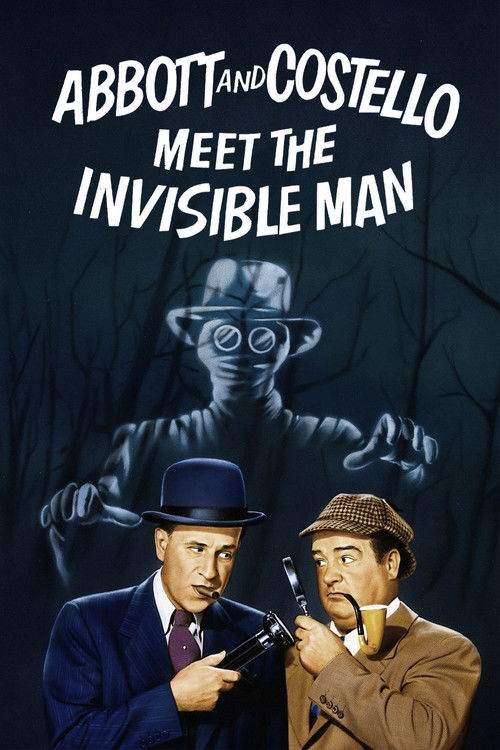
As novice detectives, Bud and Lou come face to face with the Invisible Man.
1953
1936
1950
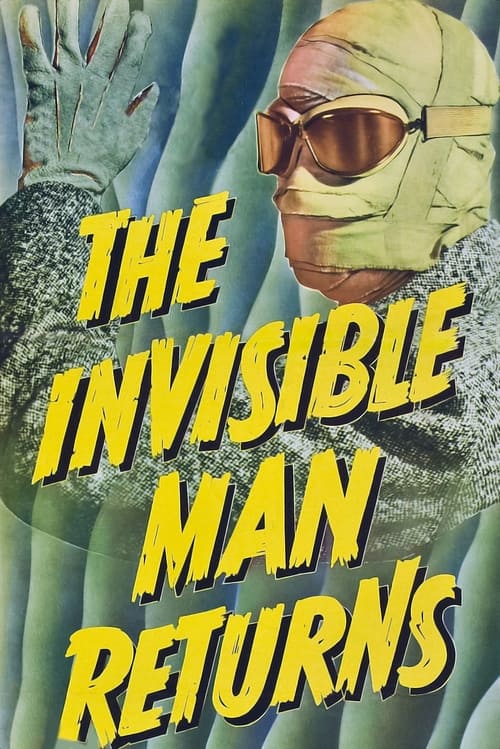
1940

1955
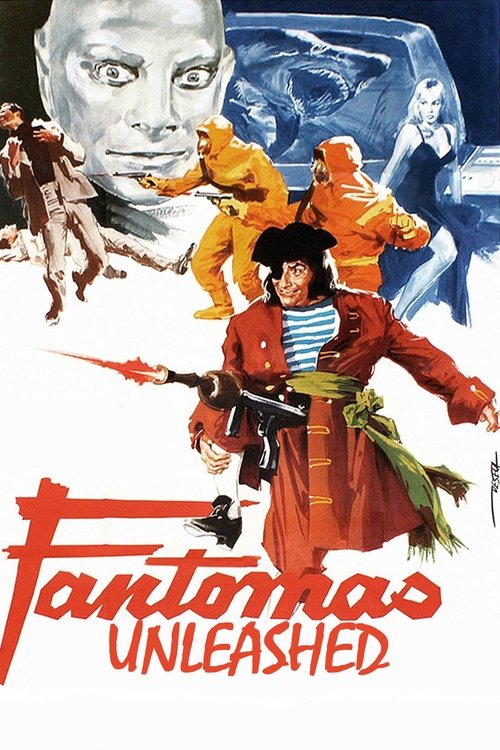
1965
1906
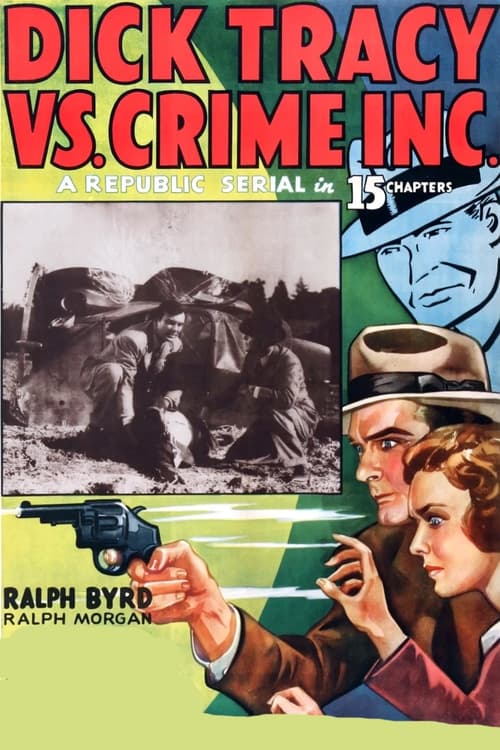
1941
No reviews yet. Be the first to share your thoughts on this movie!
Use the rating form above to leave a star rating and optional review.