Call a Cop!
1931
No user ratings available yet
Representation score: 1.8 out of 10
Representation Score
Minimal
1932
Director
Ray Nazarro
Runtime
10 minutes
Average Rating
No ratings yetNew Showbiz Analysis
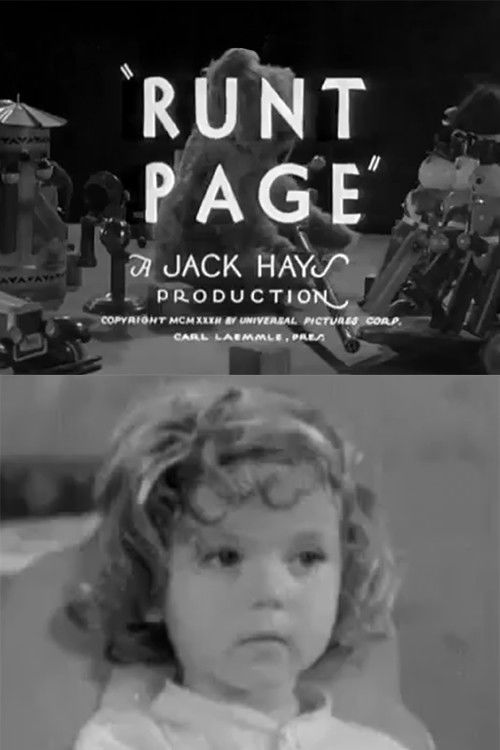
Runt Page is a product of the early 1930s studio system, adhering strictly to the social hierarchies of its era. The narrative structure revolves around a conventional domestic unit, offering little in the way of character's ability to drive the story or role subversion. The film relies on established institutional clichés, such as journalism and law enforcement, to drive its dream sequences. This approach reinforces standard social norms rather than challenging them. Ultimately, the production lacks depth in reflecting multiple aspects of identity, reflecting the homogeneous casting and traditionalist perspectives common to the period's mainstream comedies.
Category Breakdown
The film focuses on a domestic setting involving parents and friends. It does not include any non-straight or non-cisgender identities or critiques of the assumption that everyone is straight or cisgender.
The narrative centers on a domestic unit consisting of parents and a child. It suggests a traditional family hierarchy without challenging traditional gender roles.
The film reflects the homogeneous casting norms of 1932. It prioritizes Western, Anglo-Saxon domesticity within a standard domestic comedy framework.
The premise utilizes standard genre clichés involving reporters and law enforcement. It does not offer deconstructions of Western institutions or secularism.
There is no information regarding the inclusion of characters with physical or neurodivergent disabilities.
Present on Screen
Limited or Absent
Official Synopsis
A little girl falls asleep in her high chair as her parents and their friends discuss the film The Front Page. She dreams about reporters, a cop, and an escaped convict.
1931

1933

1926
1924
1920
1939
1933

1913
No reviews yet. Be the first to share your thoughts on this movie!
Use the rating form above to leave a star rating and optional review.