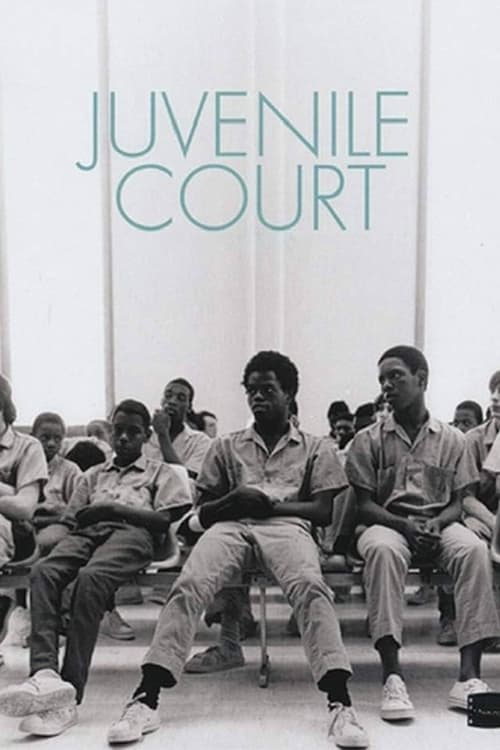
Juvenile Court
1973
No user ratings available yet
Representation score: 5.4 out of 10

Representation Score
Good
1975
Director
Frederick Wiseman
Runtime
167 minutes
Average Rating
No ratings yetNew Showbiz Analysis
Frederick Wiseman’s documentary provides a raw, observational look at the friction between bureaucratic systems and the individuals they serve. It excels at documenting the socioeconomic realities of a multi-ethnic urban population and the complexities of mental health within the welfare system. However, the film lacks specific focus on LGBTQ+ identities, which limits its multi-layered depth. While it captures a broad spectrum of human struggle, it does not center queer narratives. Ultimately, the work functions more as an institutional critique than a character-driven study of identity. It succeeds in deconstructing systemic power dynamics but remains limited by the era's specific documentation of social services.
Category Breakdown
The film does not focus specifically on LGBTQ+ identities or multi-layered identities. Queer narratives and the ways different parts of someone's identity overlap are not central to the interactions shown in the welfare office.
Women are prominently featured both as social workers and as clients. The film avoids traditional domestic hierarchies, focusing instead on the demanding, practical roles women play within the bureaucracy.
The documentary reflects the multi-ethnic reality of 1970s urban populations. It presents an organic array of racial and ethnic backgrounds among clients seeking state assistance.
The film offers a sharp critique of Western institutional effectiveness. It highlights the tension between strict legal regulations and the chaotic, human reality of survival needs.
Significant visibility is given to neurodivergence and mental health challenges. These individuals are presented as active participants in a systemic struggle rather than objects of pity.
Present on Screen
Limited or Absent
Official Synopsis
WELFARE shows the nature and complexity of the welfare system in sequences illustrating the staggering diversity of problems that constitute welfare: housing, unemployment, divorce, medical and psychiatric problems, abandoned and abused children, and the elderly. These issues are presented in a context where welfare workers as well as clients struggle to cope with and interpret the laws and regulations that govern their work and life.
1973
2000
1997
1967

1970
2000
1969
2004
No reviews yet. Be the first to share your thoughts on this movie!
Use the rating form above to leave a star rating and optional review.