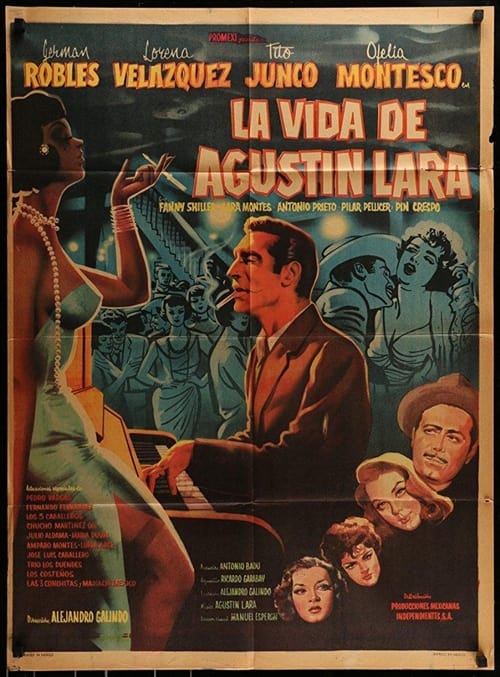
La vida de Agustín Lara
1959
No user ratings available yet
Representation score: 2.9 out of 10
Representation Score
Minimal
1959
ApprovedDirector
Rogelio A. González
Runtime
97 minutes
Average Rating
No ratings yetNew Showbiz Analysis
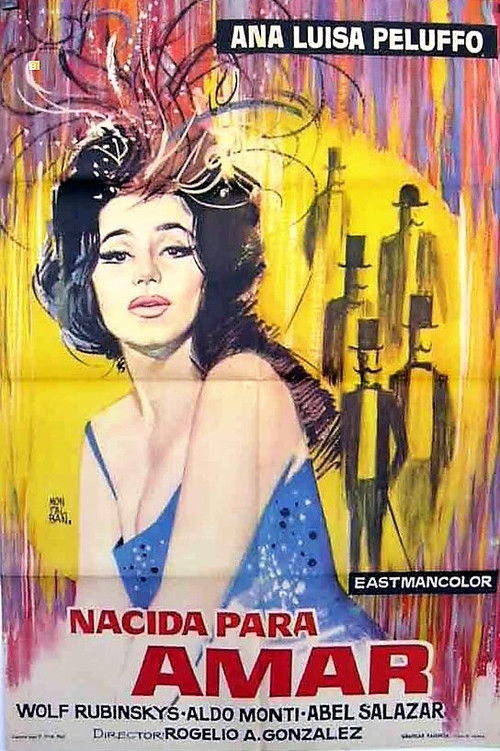
Born to Love is a product of the Golden Age of Mexican cinema, reflecting the highly structured melodramas of 1959. The film aligns with the conservative storytelling standards of its era, prioritizing traditional emotional arcs and established social hierarchies. The narrative structure likely reinforces conventional social and familial frameworks. It lacks documented challenges to familiar patterns or multi-layered character representation, functioning instead within a mid-century milieu of moral clarity and traditional roles. Because the film follows studio-driven structures of the time, it lacks the progressive narrative approaches seen in contemporary media. It remains a reflection of its specific historical and cinematic context.
Category Breakdown
The film does not include any LGBTQ+ identities or challenge the assumption that everyone is straight or cisgender. It lacks any critiques of the assumption that everyone is straight or cisgender within its narrative.
The production likely adheres to mid-century gender stereotypes. It operates within the traditional depictions of masculinity and femininity common to 1950s melodrama.
As a 1959 Mexican production, the cast is expected to be ethnically homogeneous. It lacks the multi-layered approach to diversity found in modern media.
The film centers on traditional Western and Christian moralities. It emphasizes stable family units and clear distinctions between virtue and vice.
There are no specific details regarding the portrayal of physical disabilities. The film also lacks representation of neurodivergence.
Present on Screen
Limited or Absent
1959
1966
1946
1984

1959

1965
1979
1981
No reviews yet. Be the first to share your thoughts on this movie!
Use the rating form above to leave a star rating and optional review.